- Student
- Student
- News
- Events
- Business School
- Doctoral School
- International Dean’s Office
- International Cooperation Office
- Academic Career Office
- Academic Sports Association
- Library
- Student Groups
- Internships
- Electronic Examination Center
- Scholarship office
- Finance Department
- Your Stay in Poland
- Academic Schedule
- The Centre for People with Special Needs
- Alumni and Students Association
- Personal Student Profile
- Support Zone
- Virtual University
- Contact
- Individual Study Plan
- Empty
- Admissions
- Research
- University
- Erasmus+
Data
21.10.2026
On Psychotherapy in Times of Chaos. The First Psychology Conference in Cieszyn Has Concluded
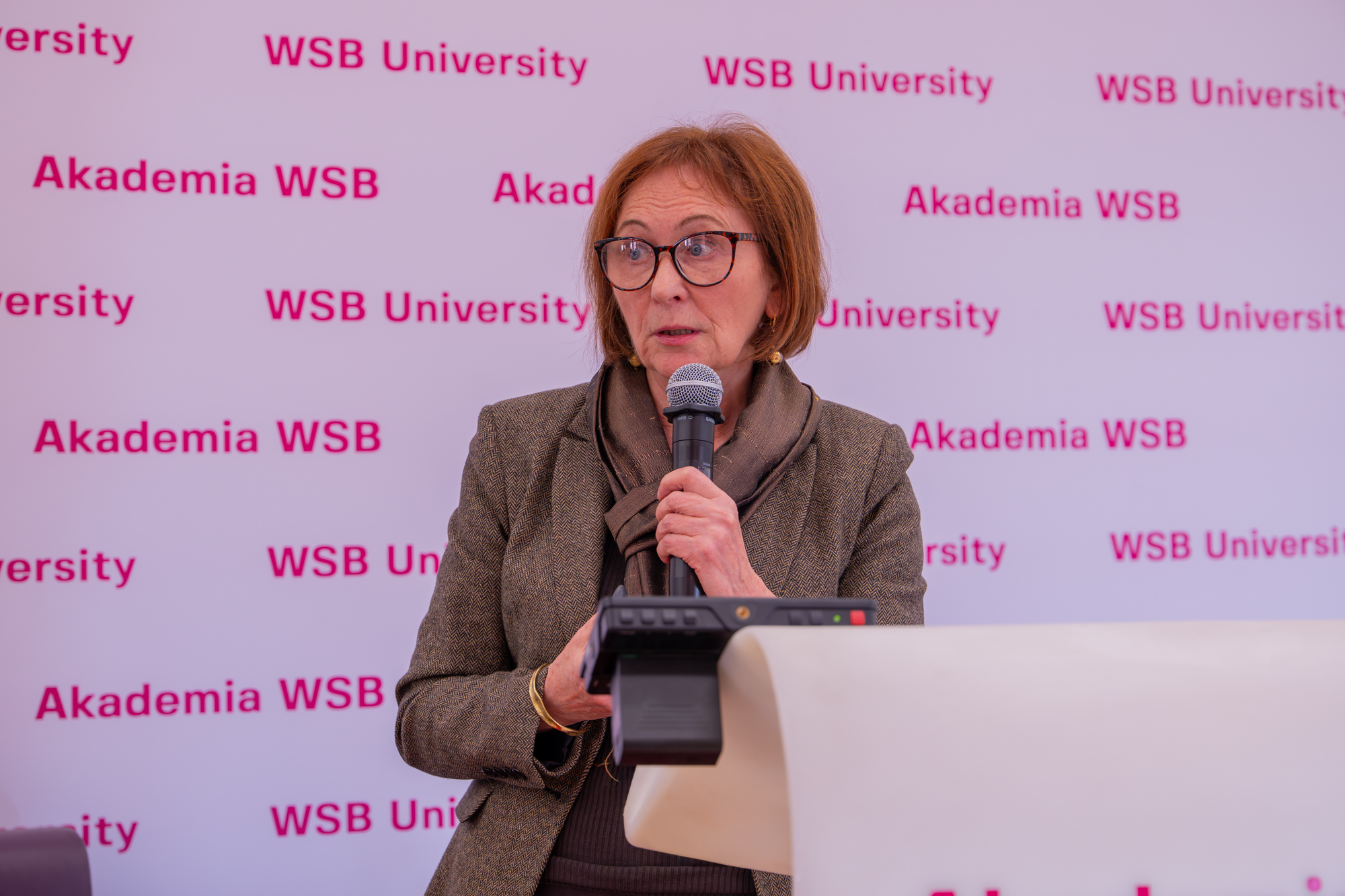
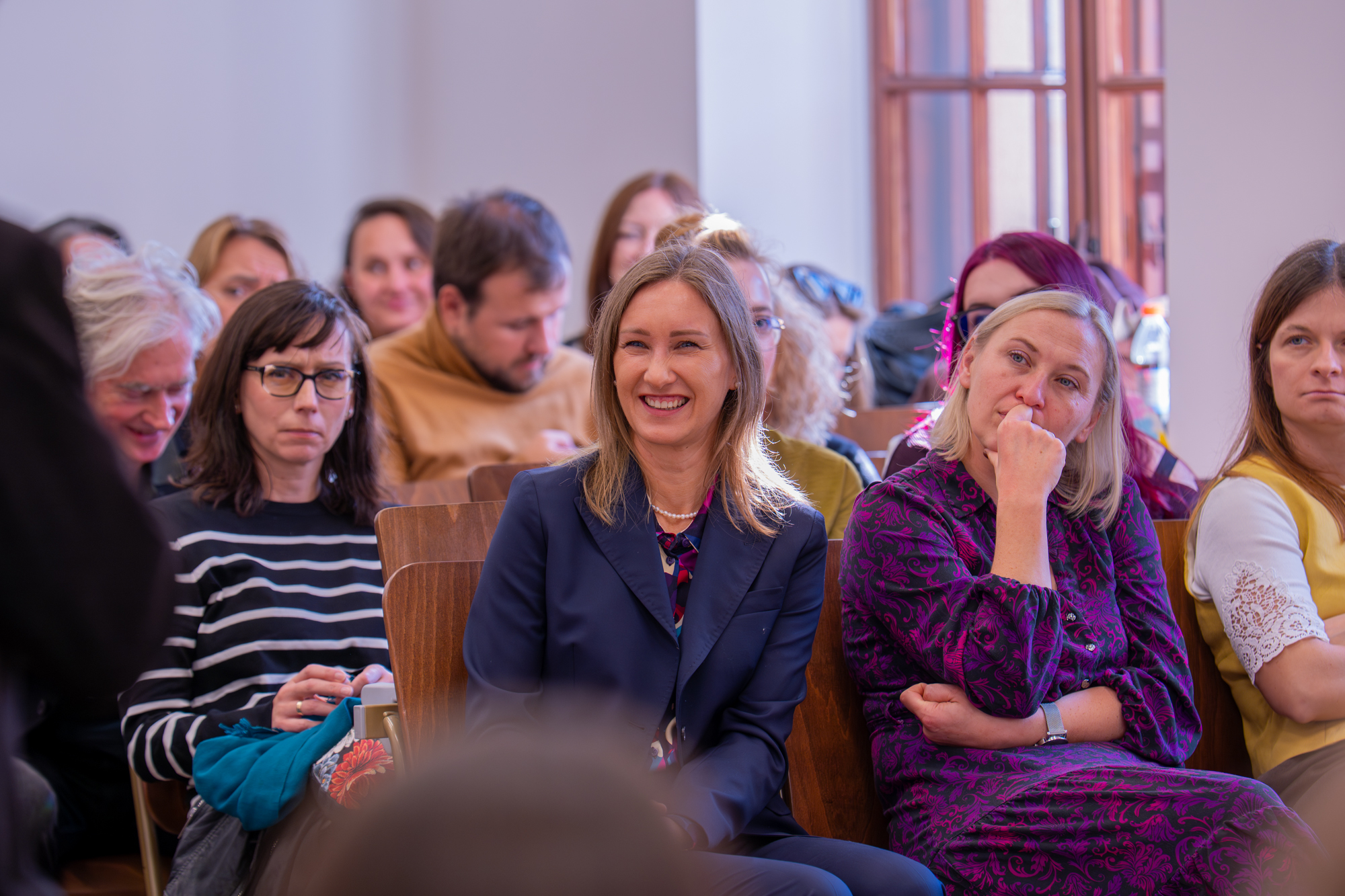
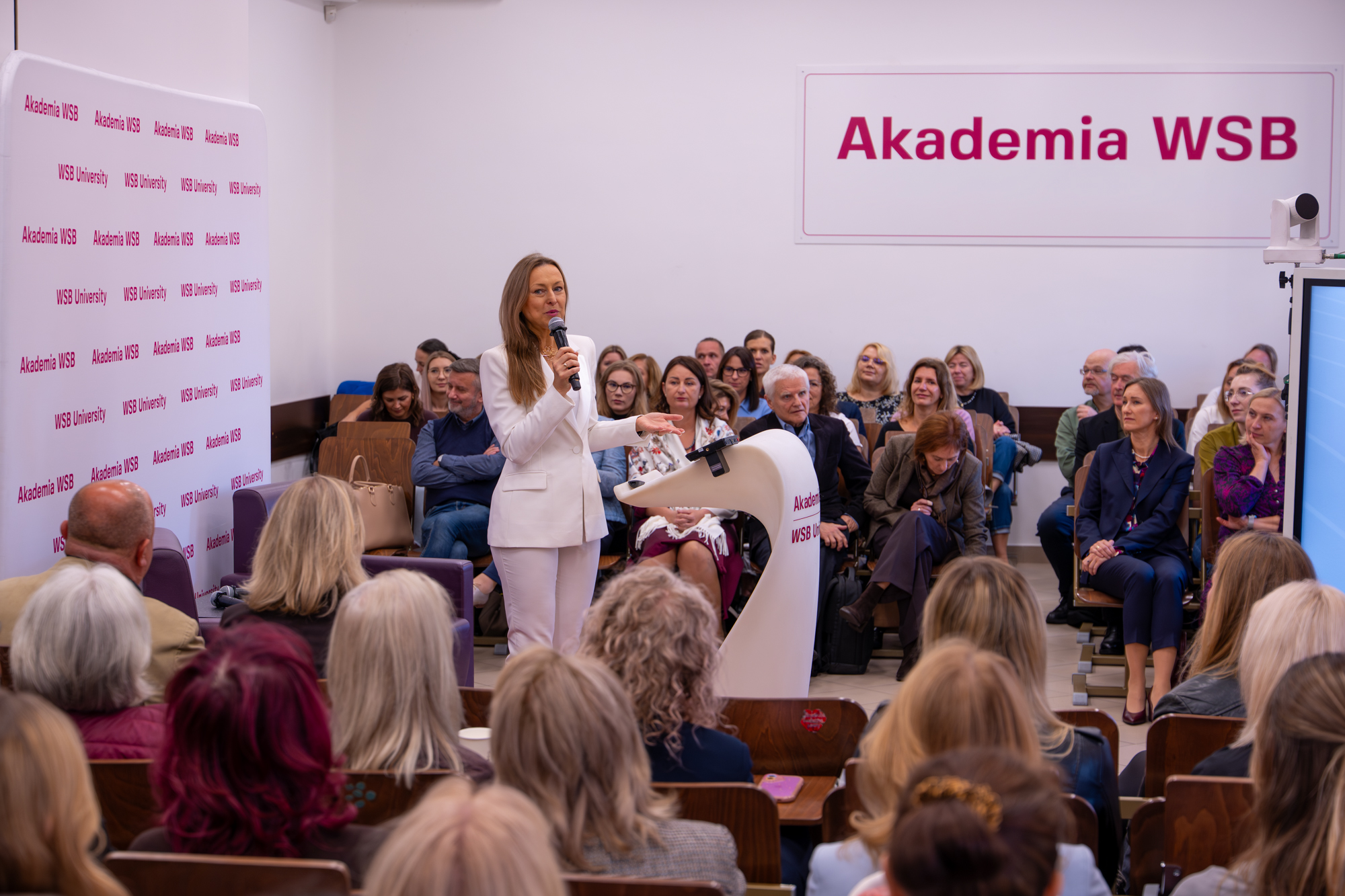
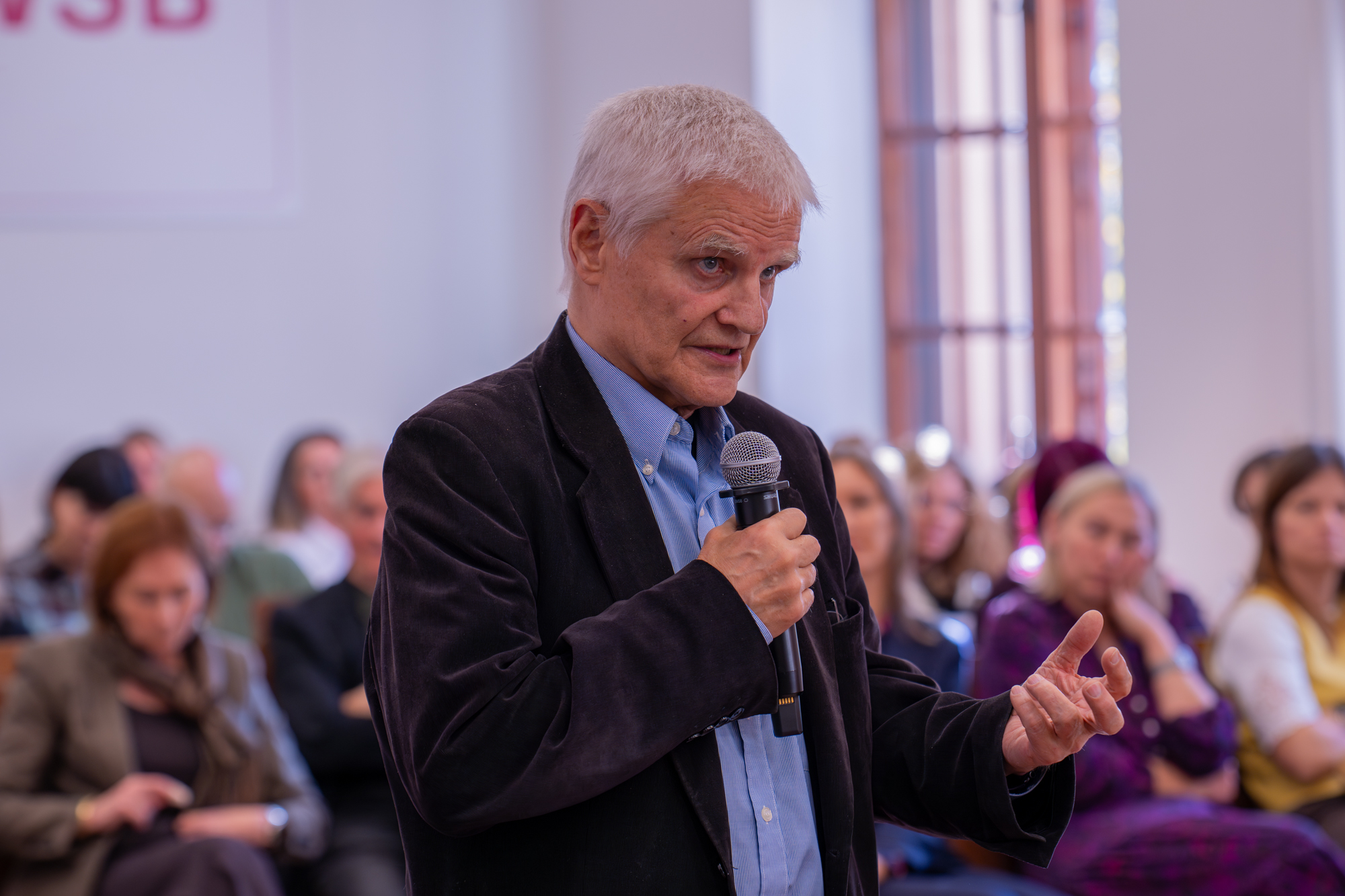
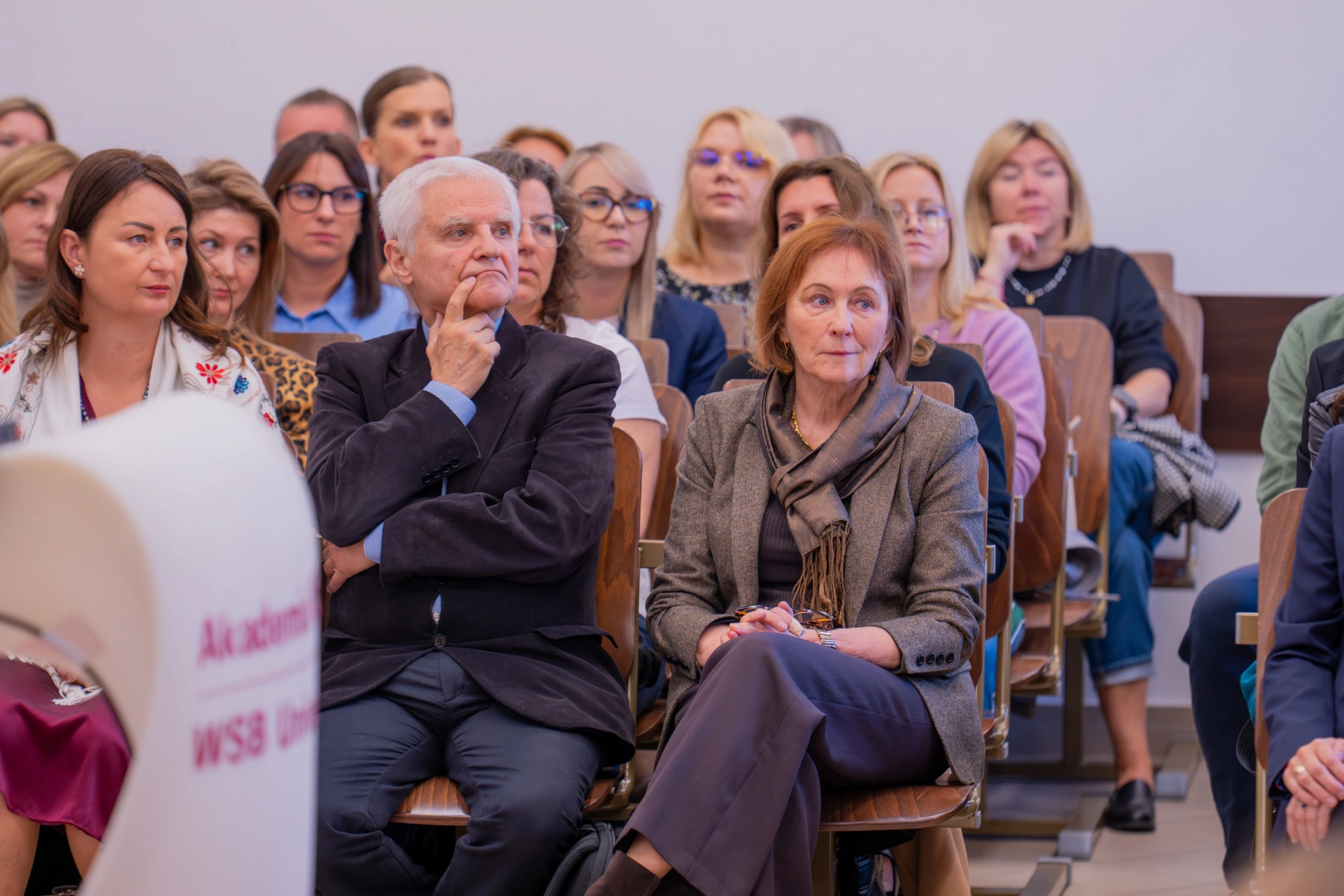
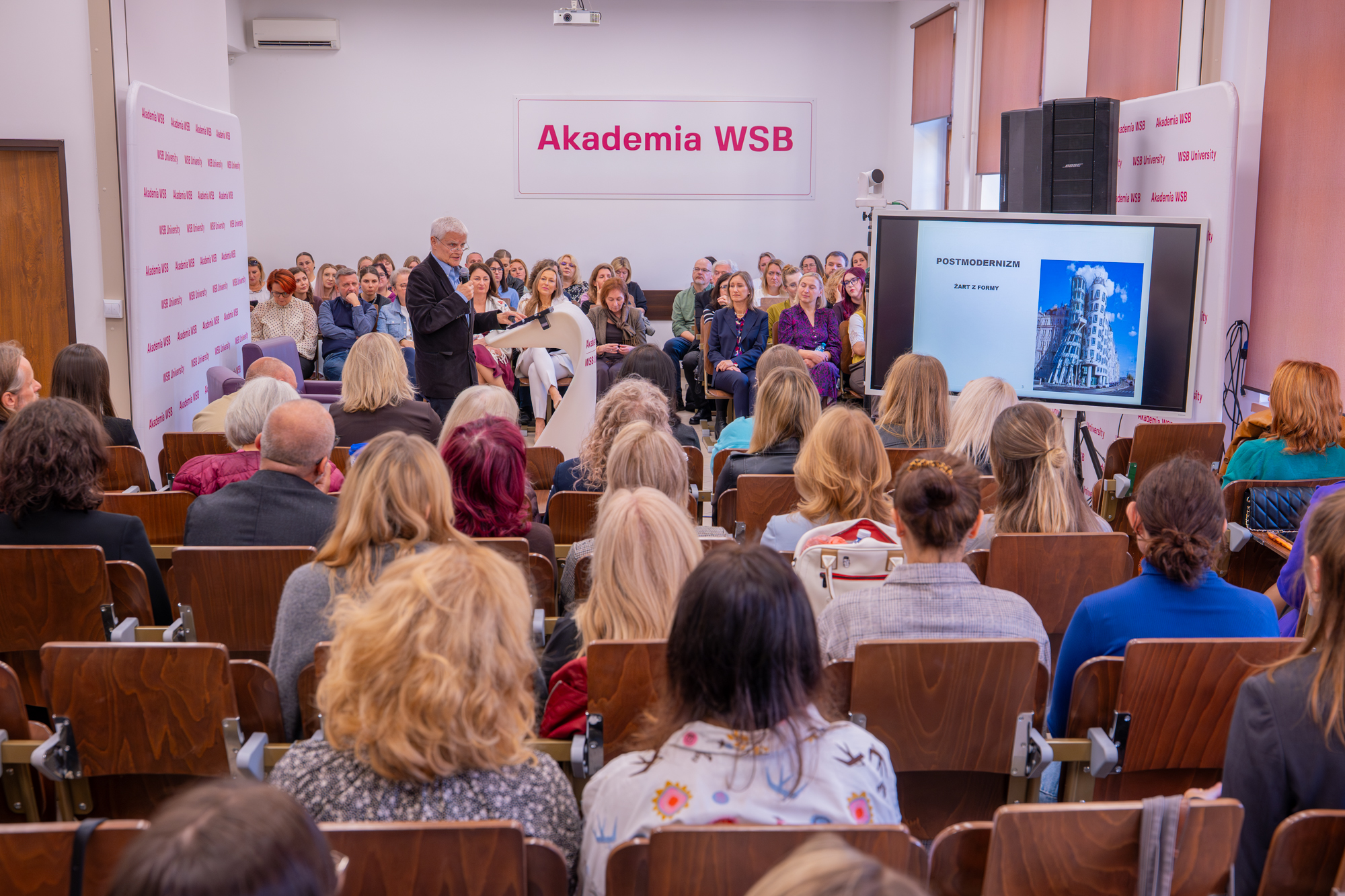
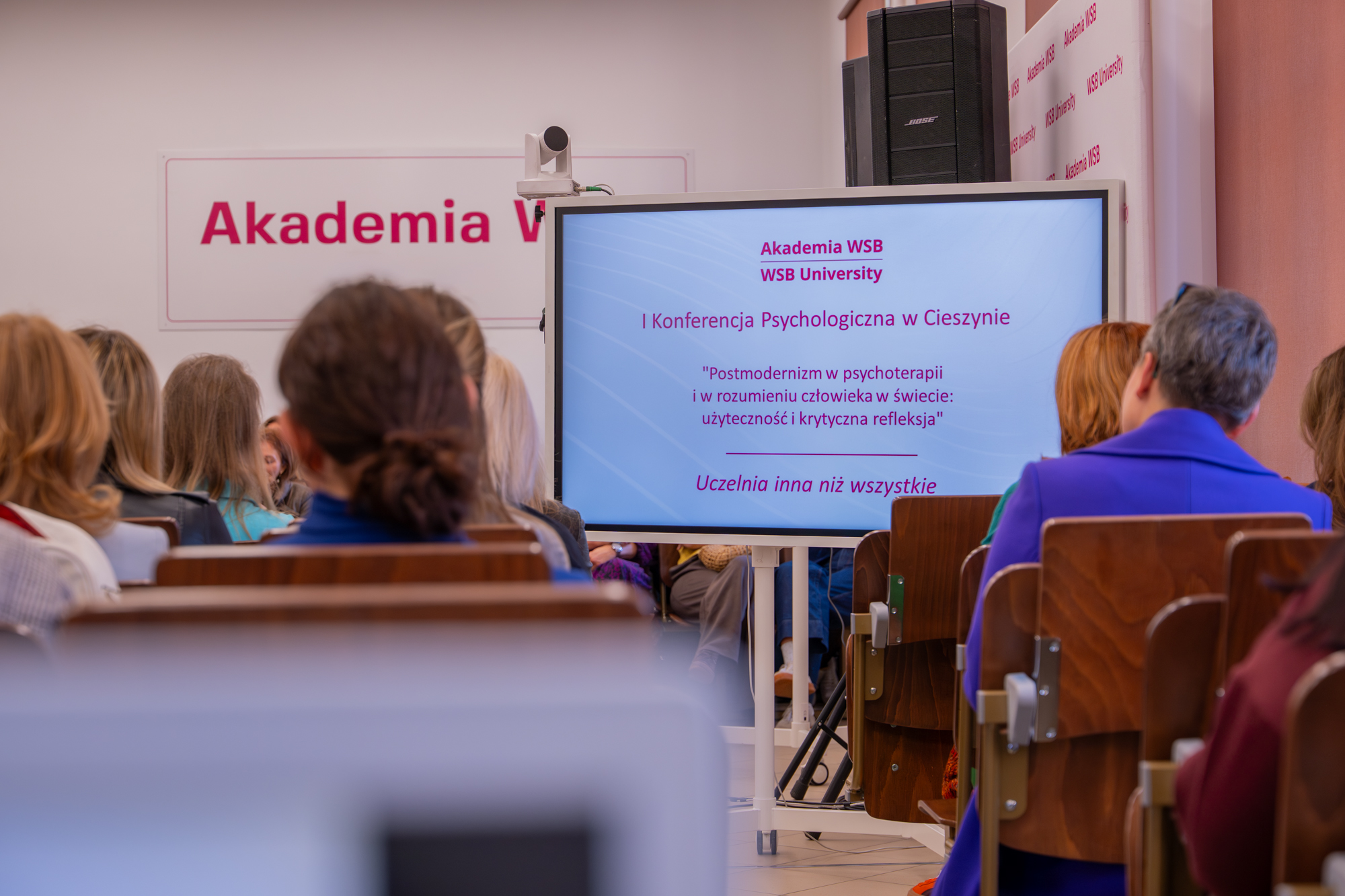
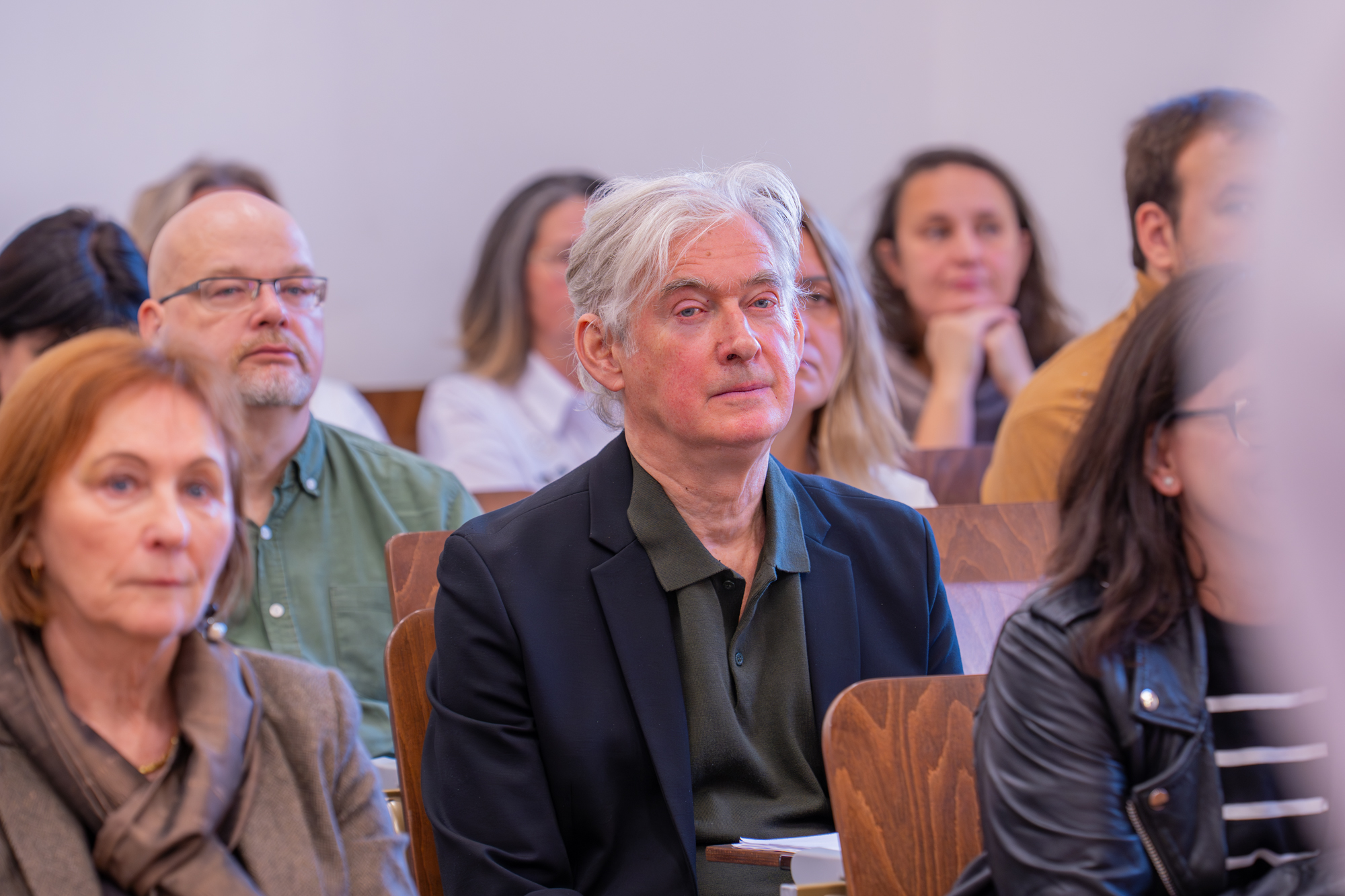
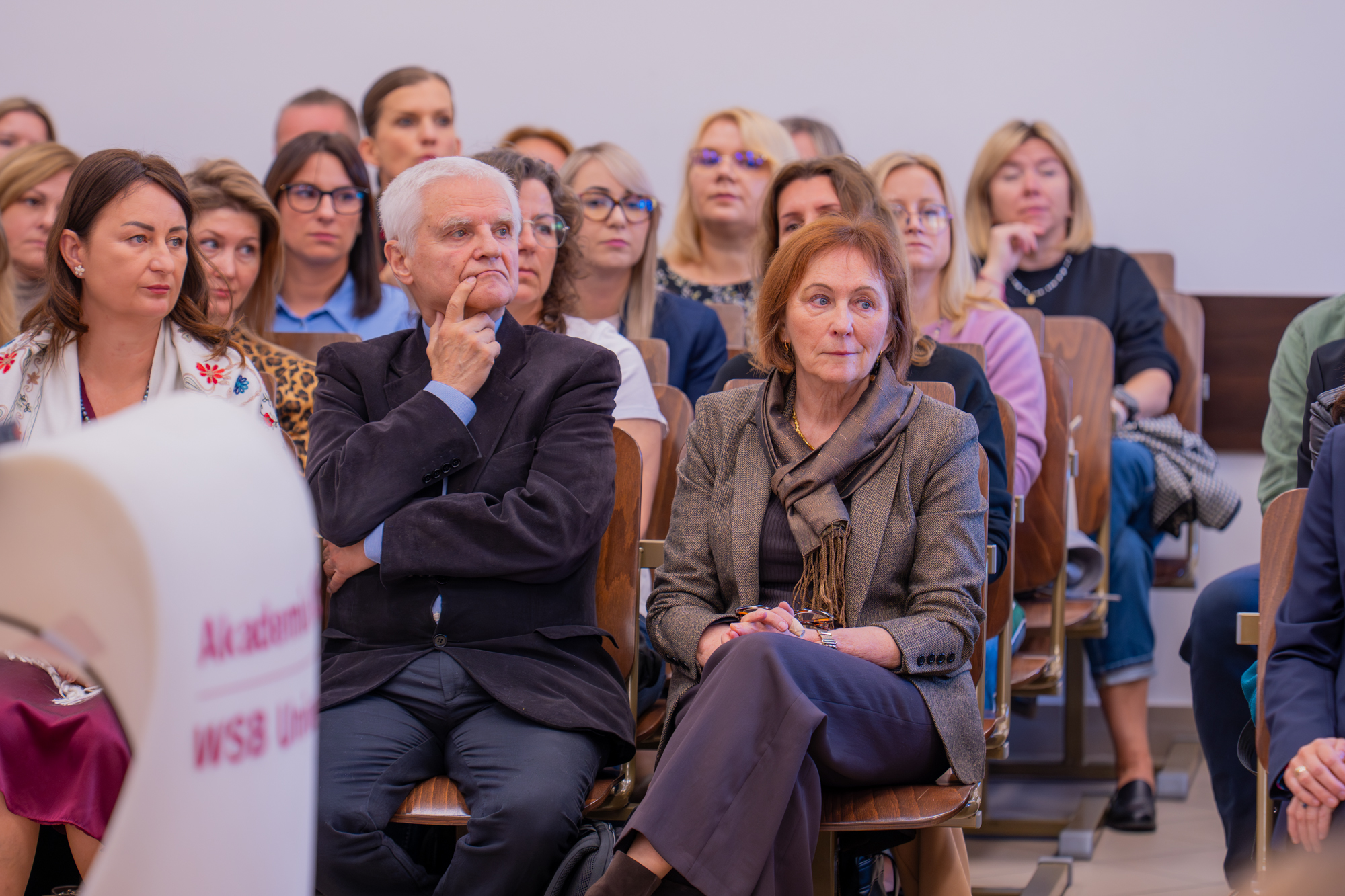
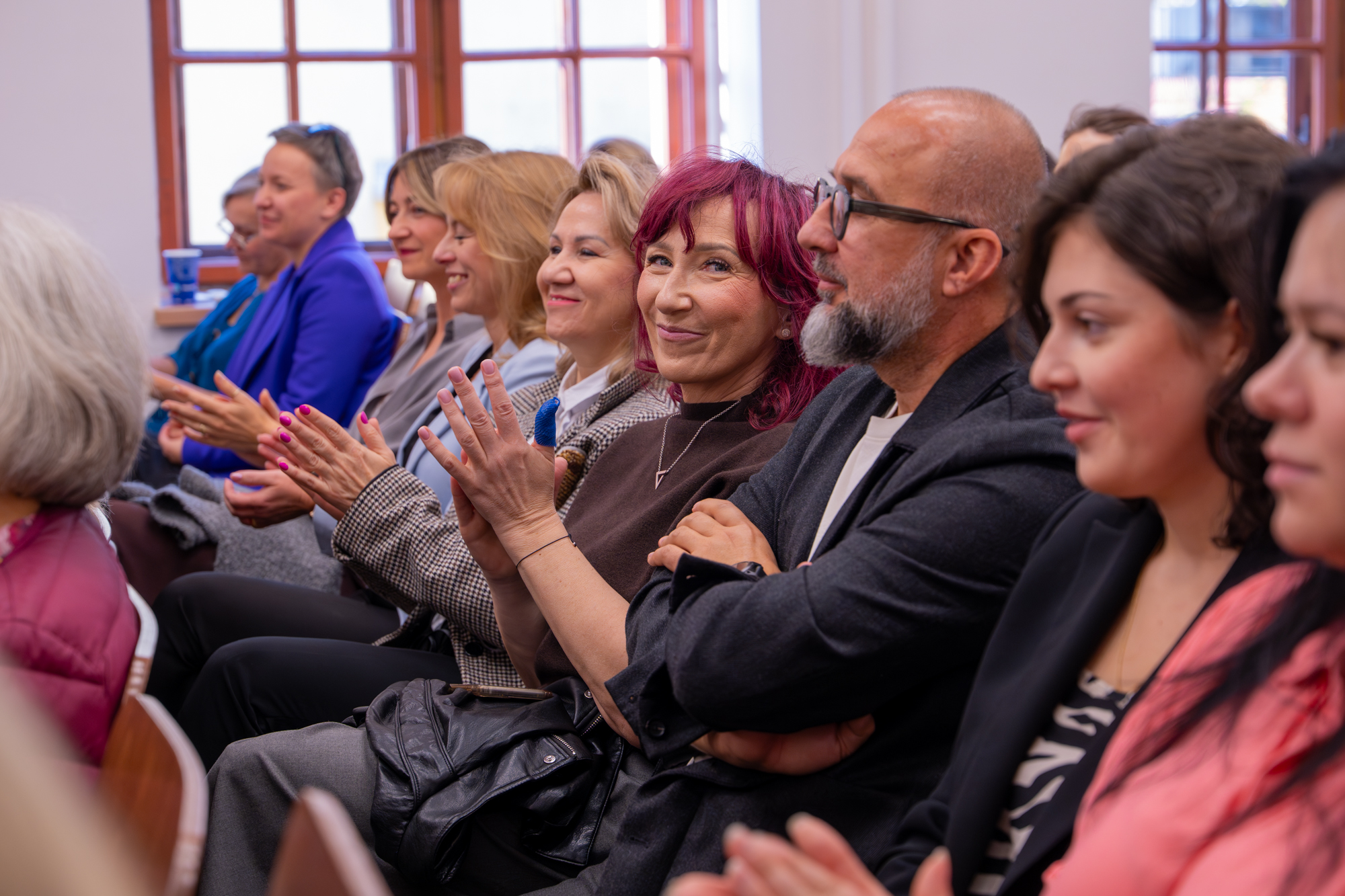
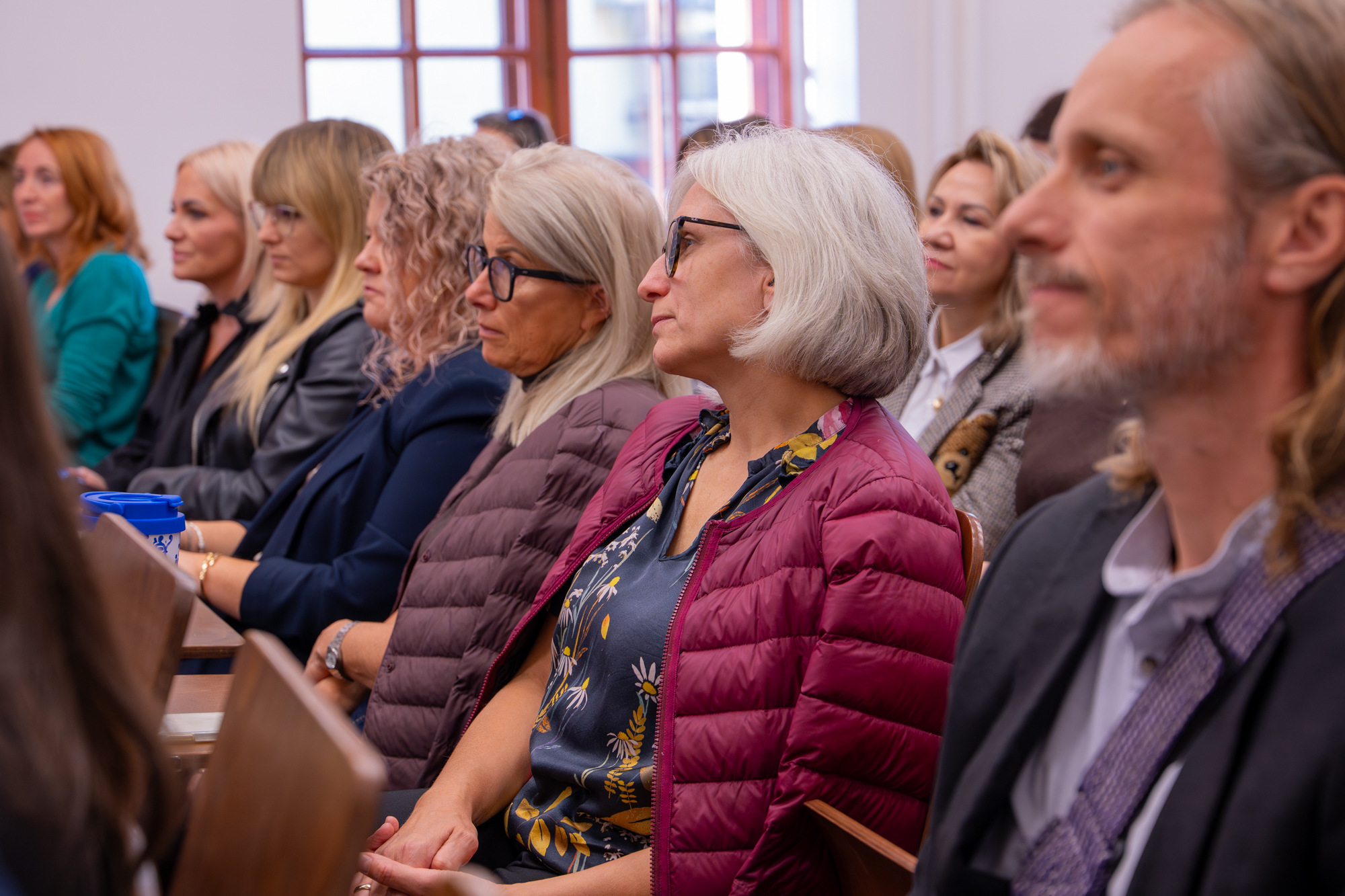
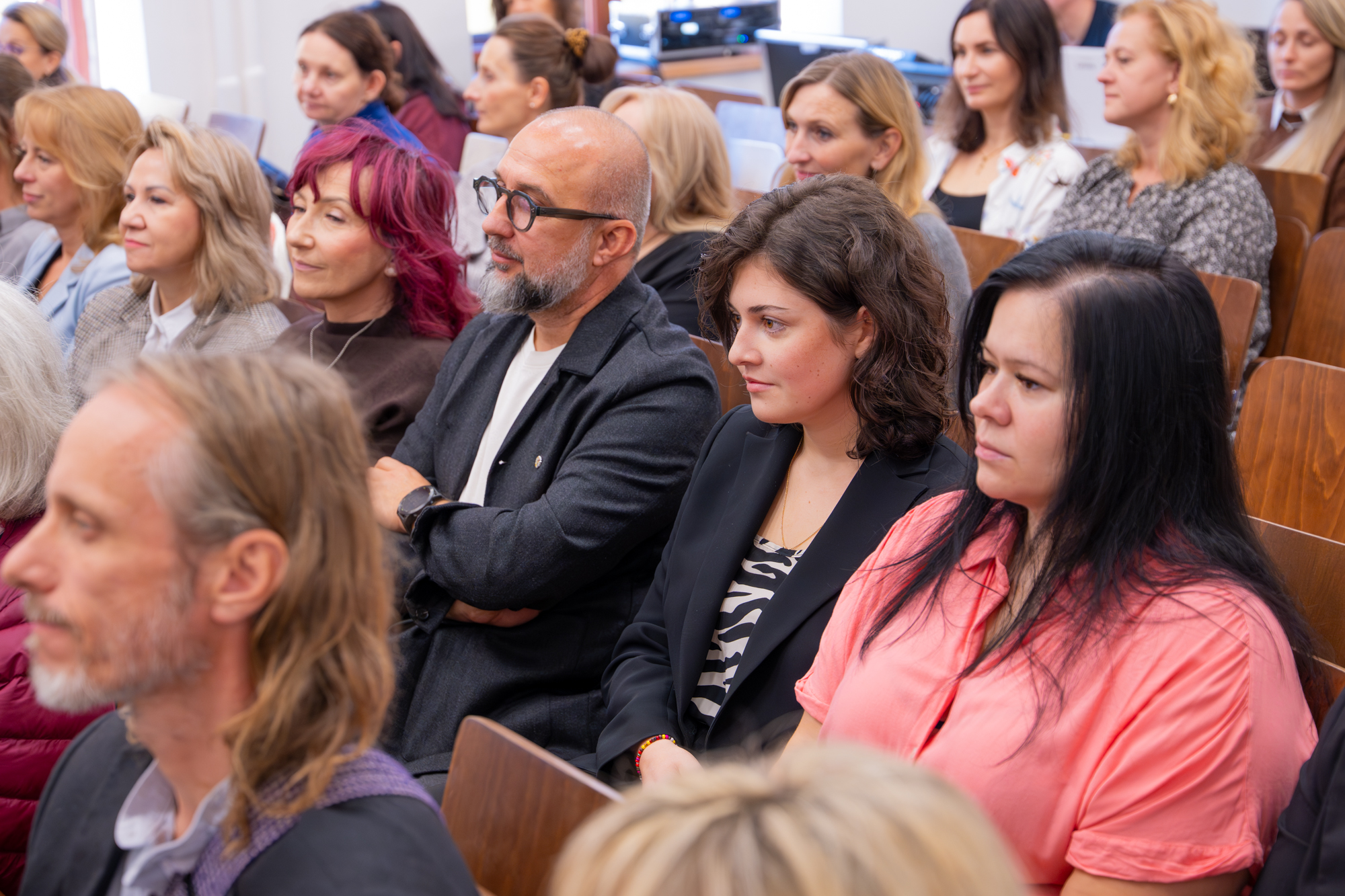
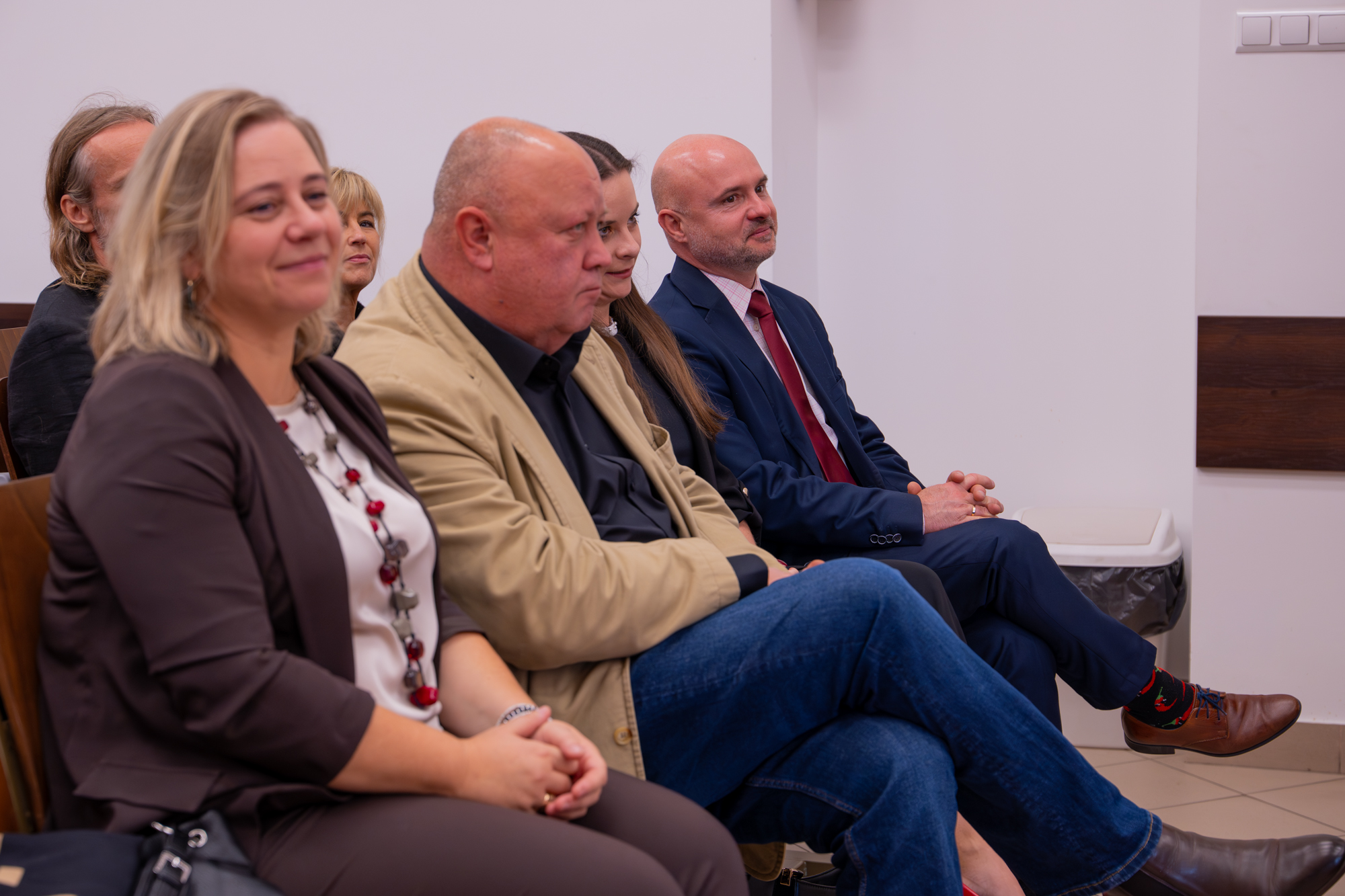
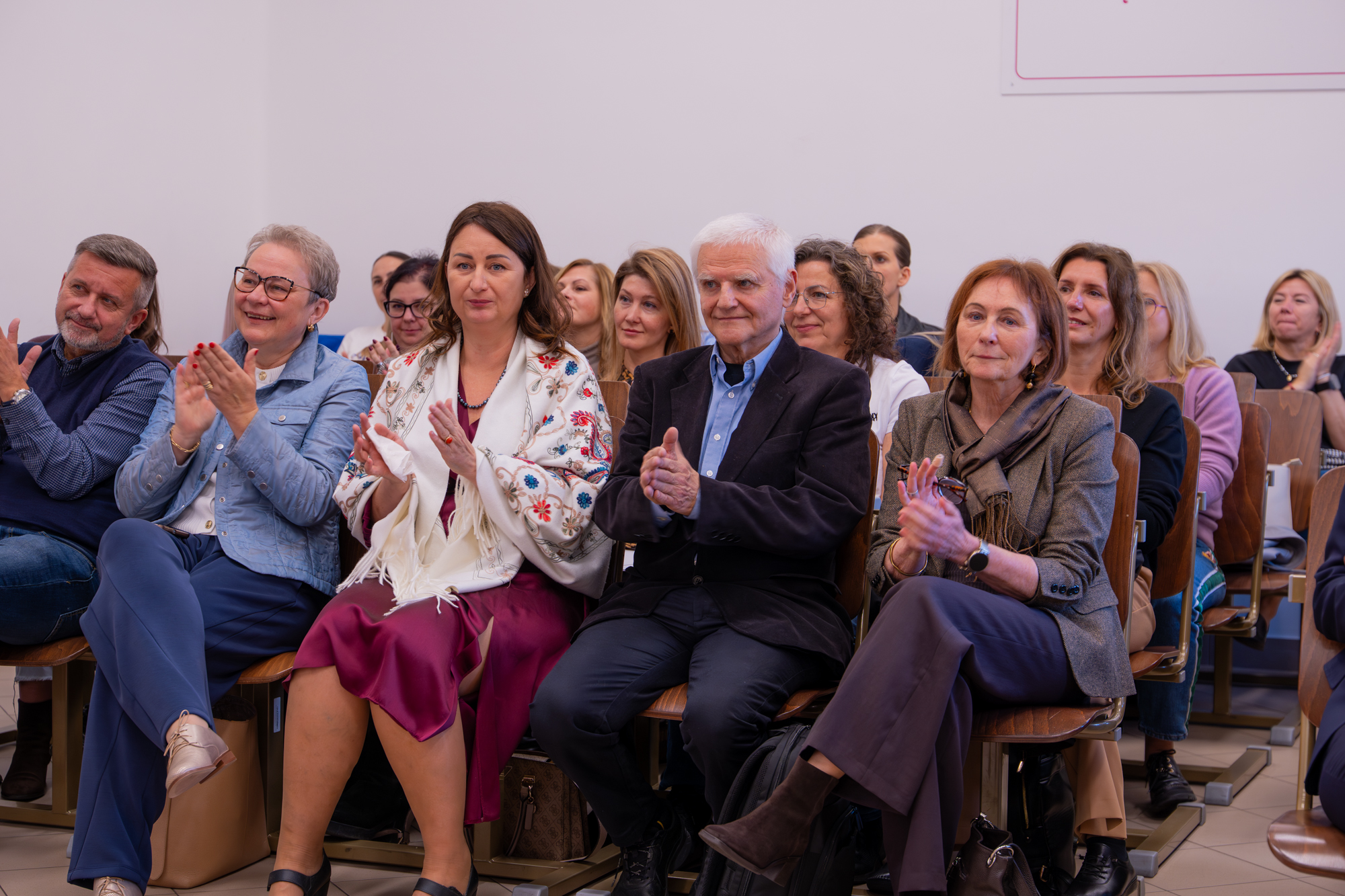
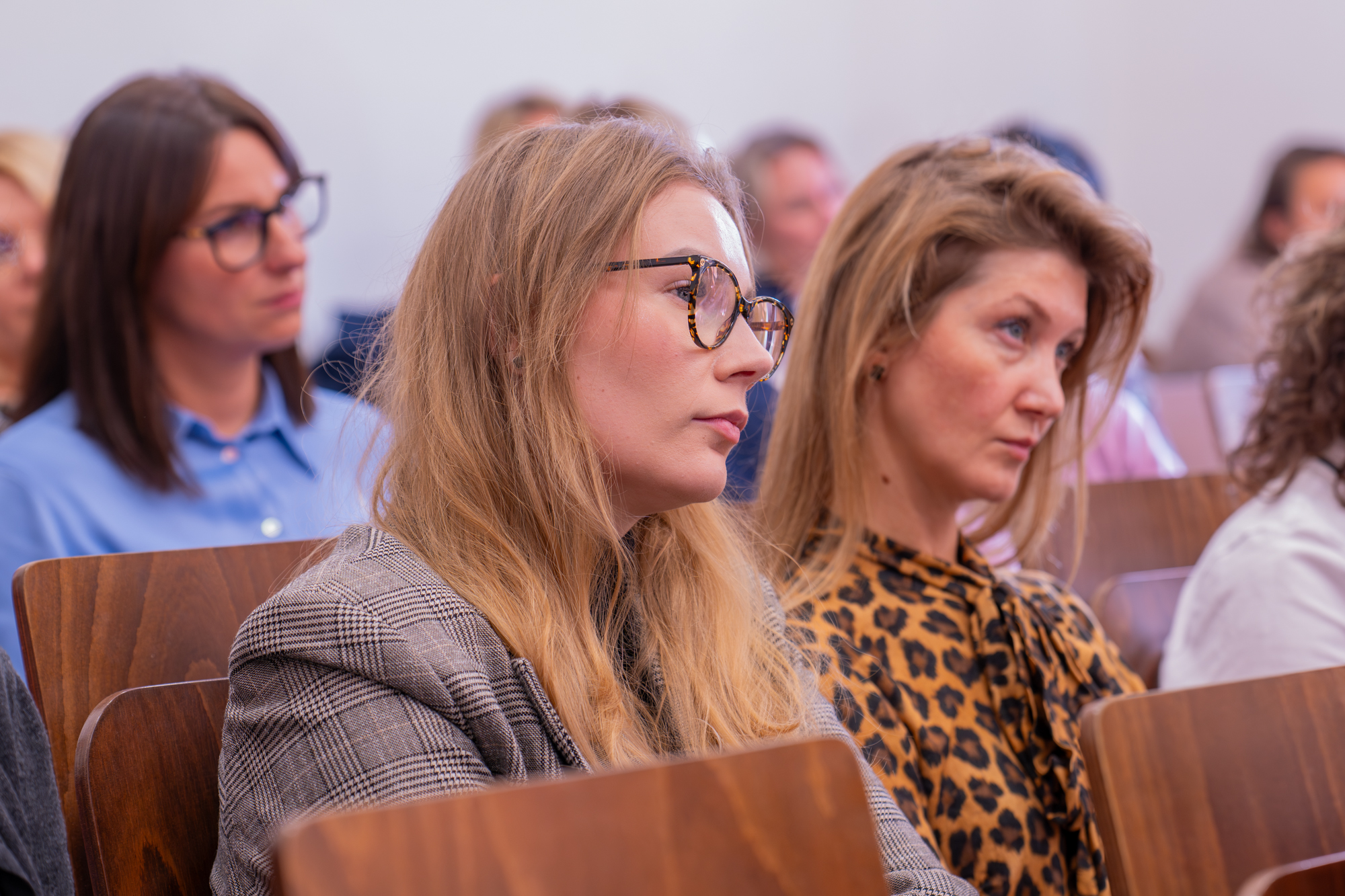
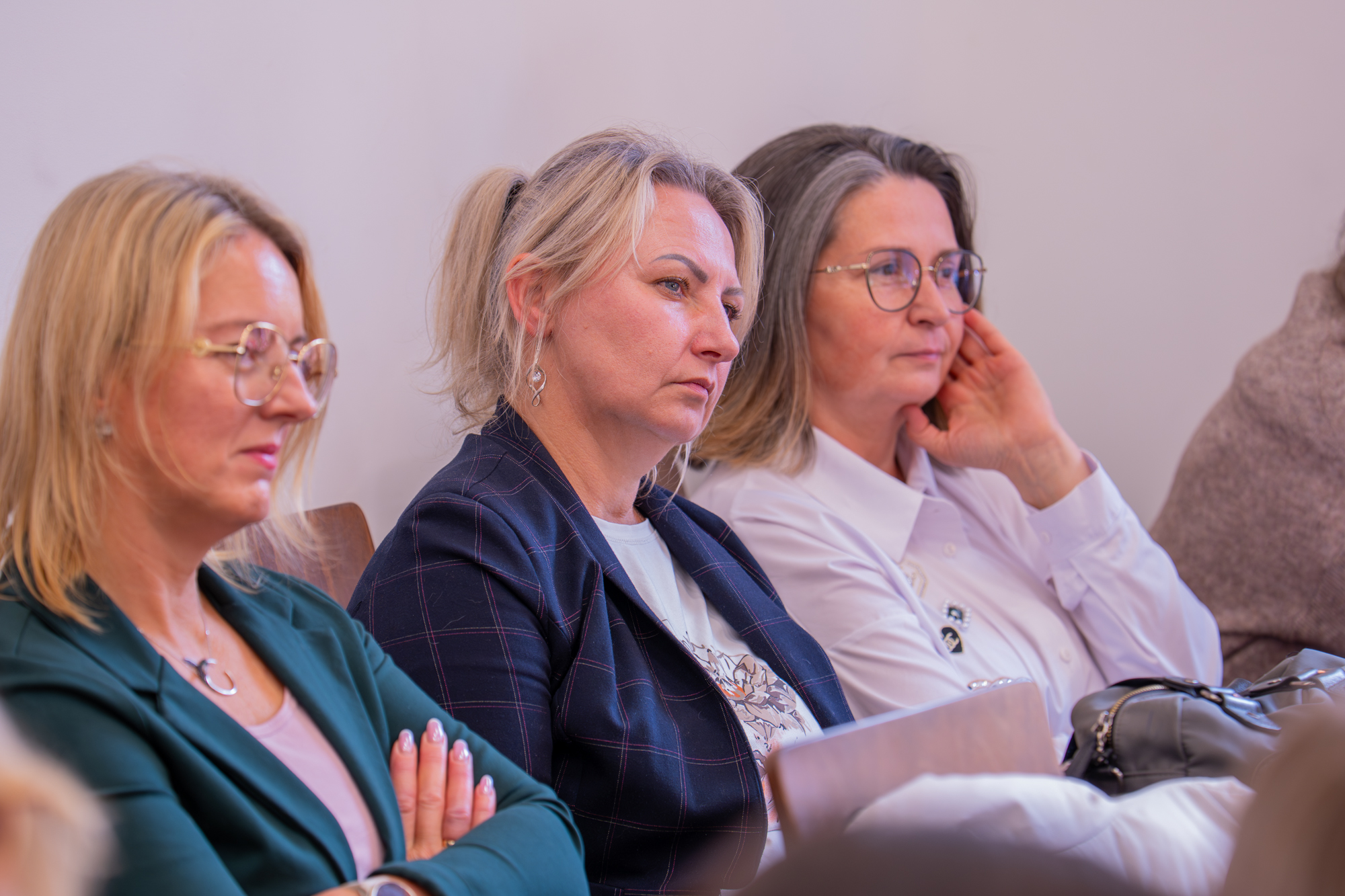
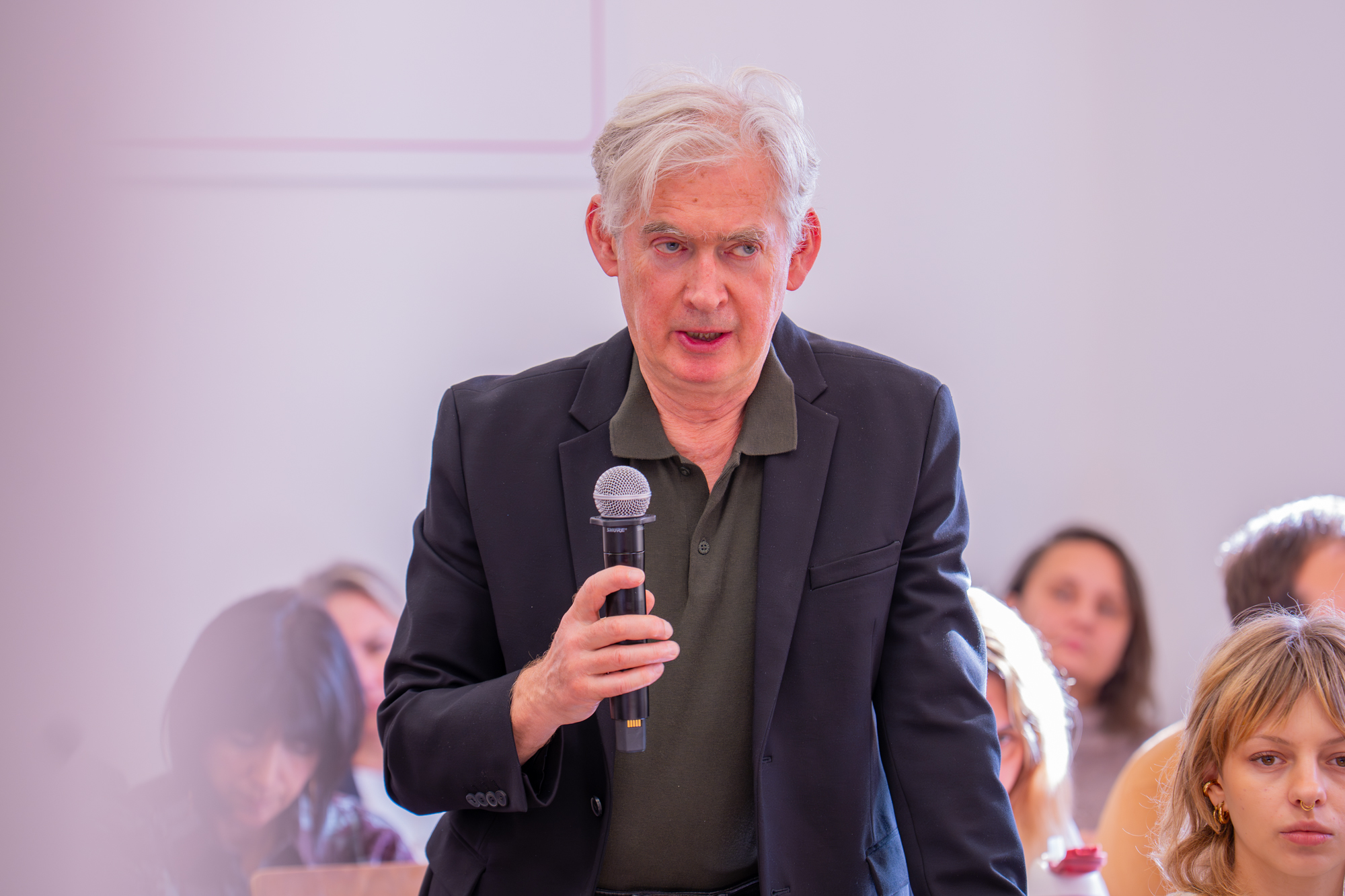
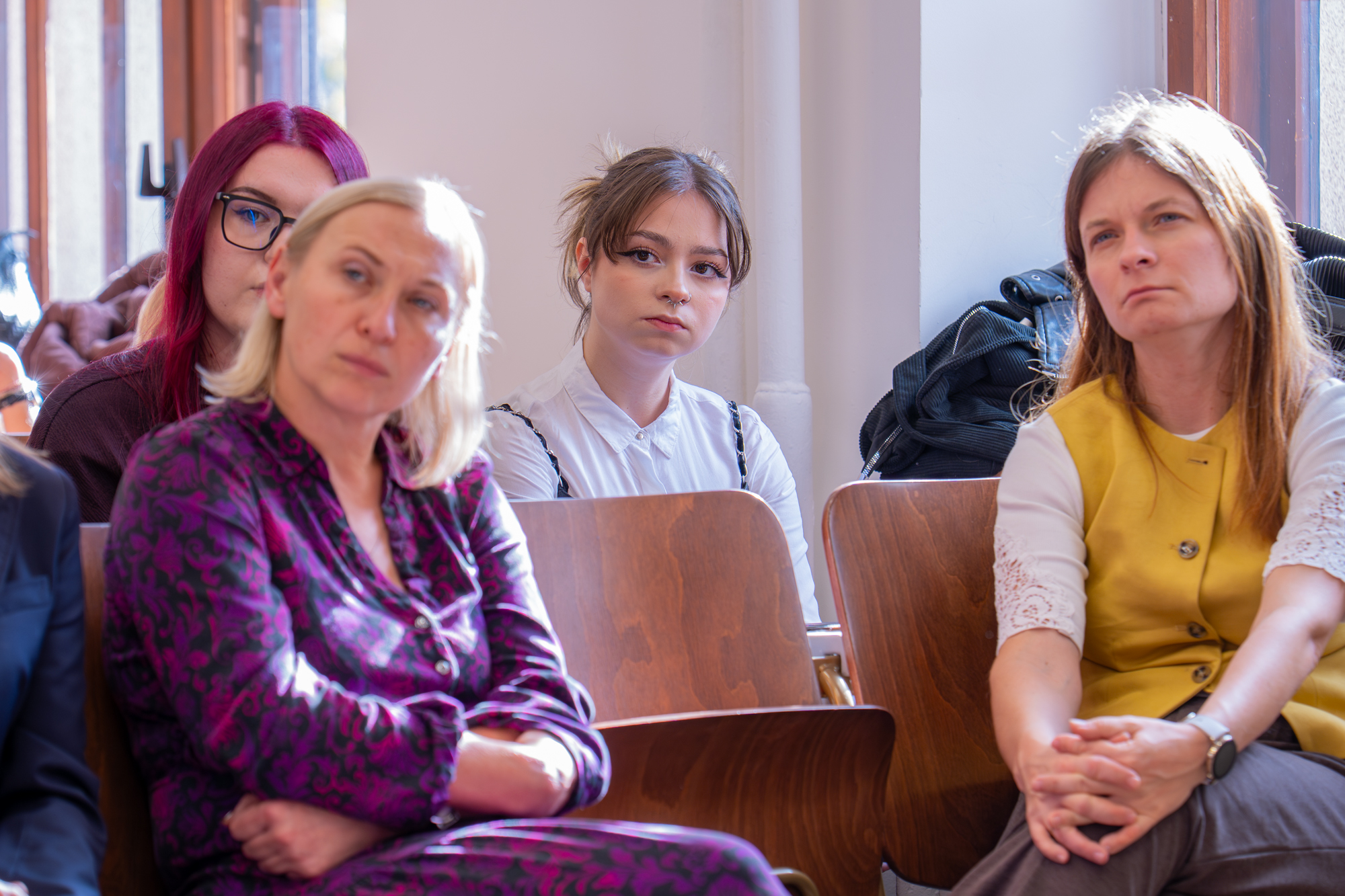
In a world where a single truth is difficult to find, can a therapist still help anyone? Participants in the First Psychology Conference in Cieszyn, entitled “Postmodernism in Psychotherapy and in Understanding the Human Being in the World: Usefulness and Critical Reflection”, spent the day considering this question. On 21 October 2026, Professor Bogdan de Barbaro, PhD, DSc, Professor Barbara Józefik, PhD, DSc, and Iwona Wierzchucka, PhD, spoke at WSB University’s Faculty in Cieszyn.
Theory Should Heighten Sensitivity, Not Obscure the Person
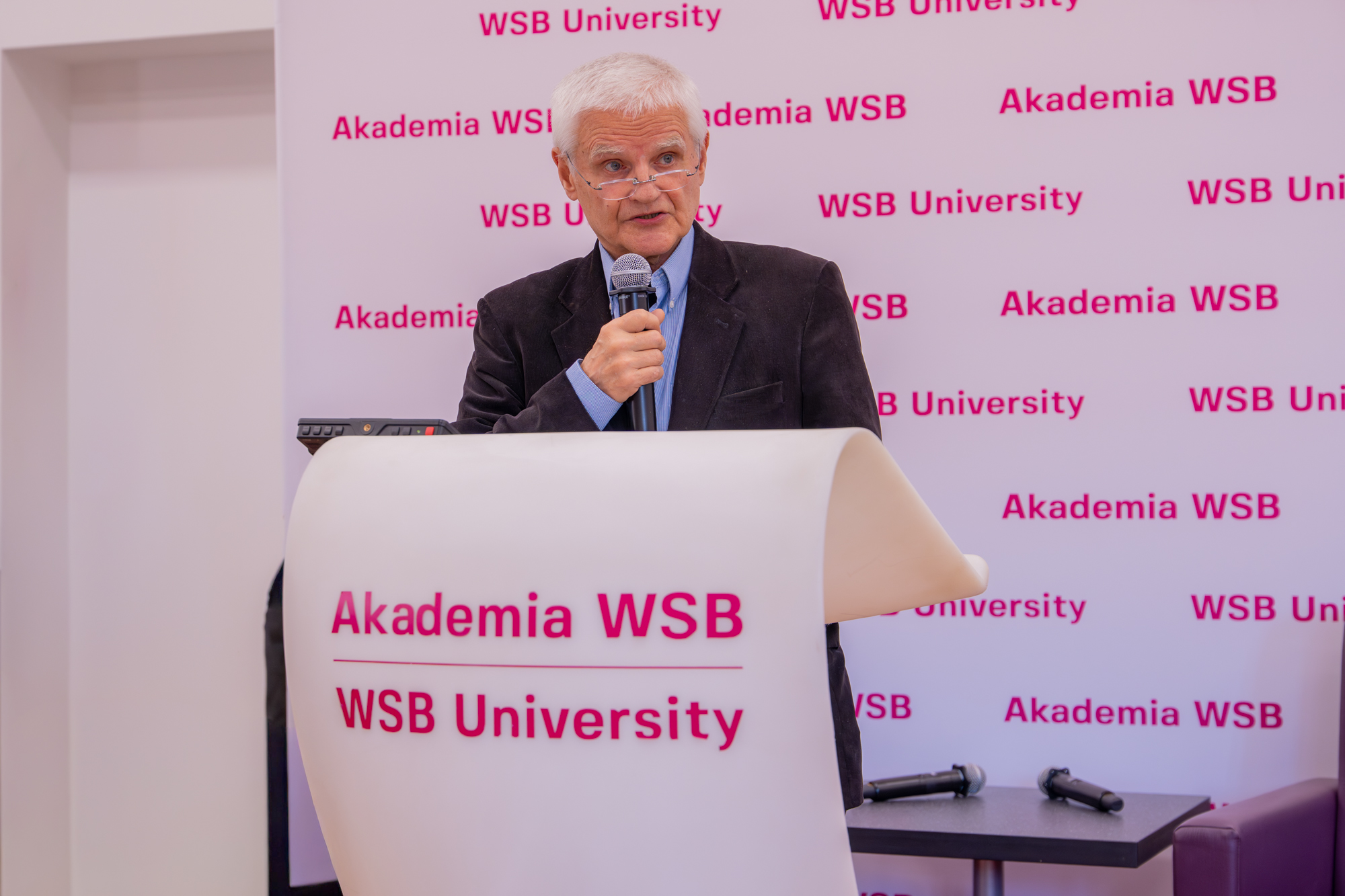
The conference opened with Professor Bogdan de Barbaro’s lecture, “The Psychotherapist Facing the Chaos of Contemporary Life”. The professor began by discussing two faces of postmodernity. In culture, it can lead to relativism and a sense that nothing is certain. In the consulting room, he argued, it can inspire therapists of every school, because it teaches curiosity, attentiveness to language and context, and openness to how another person experiences the world.
In this approach, the therapist does not seek a single truth about the patient. Instead, the therapist seeks a version that will prove useful to the patient, and does so through conversation. A warning against dogmatism resonated strongly: “the denser the web of theory, the harder it is to see the person who has come for help.” Theory should therefore heighten the therapist’s sensitivity rather than replace their own observation. Finally, Professor de Barbaro proposed a metapostmodernist path, situated between modernist enthusiasm and postmodern irony, in which reducing suffering remains the point of reference. Instead of a conventional conclusion, he turned to an excerpt from Gombrowicz’s Trans-Atlantyk.
Every Perspective Reveals Something
In her lecture, “Between Perspectives: From Postmodernism to Intersubjectivity in Psychotherapy”, Professor Barbara Józefik traced how systemic family therapy had changed over several decades. Her starting point was the model of the 1950s, in which the therapist acted as an intervening expert and a child’s symptom was regarded as something that stabilised the family. The professor pointed out that, in a simplified form, this way of thinking could easily lead to blaming parents. Later came a turn towards constructivism and narrative and dialogical approaches, accompanied by the belief that meanings are co-created through conversation.
The speaker asked, however, whether language alone is sufficient to understand change in therapy. She sought an answer in research on intersubjectivity and children’s early relationships with their caregivers. This research indicates that contact between people does not require constant attunement. It develops through successful repair following moments of misattunement. In the consulting room, this means paying close attention to looks, tone of voice, bodily tension, and who soothes whom within the family. The audience also heard that the therapeutic relationship and the therapist as a person have a greater influence on the effectiveness of therapy than the chosen therapeutic orientation, although the therapist should work within a coherent model. The lecture’s guiding principle was that every perspective allows us to see something, but none allows us to see everything.
Whose Feeling Is This?
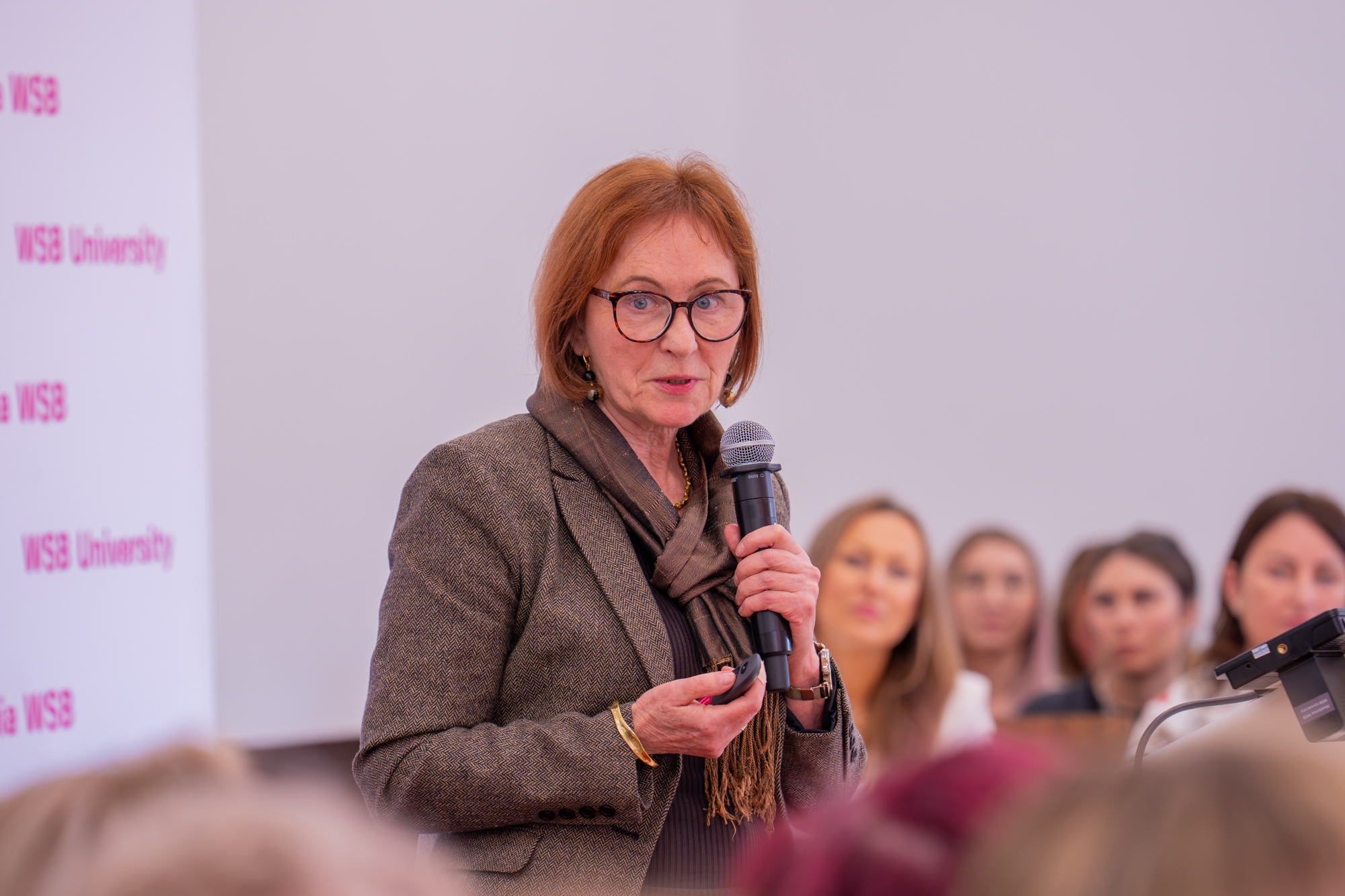
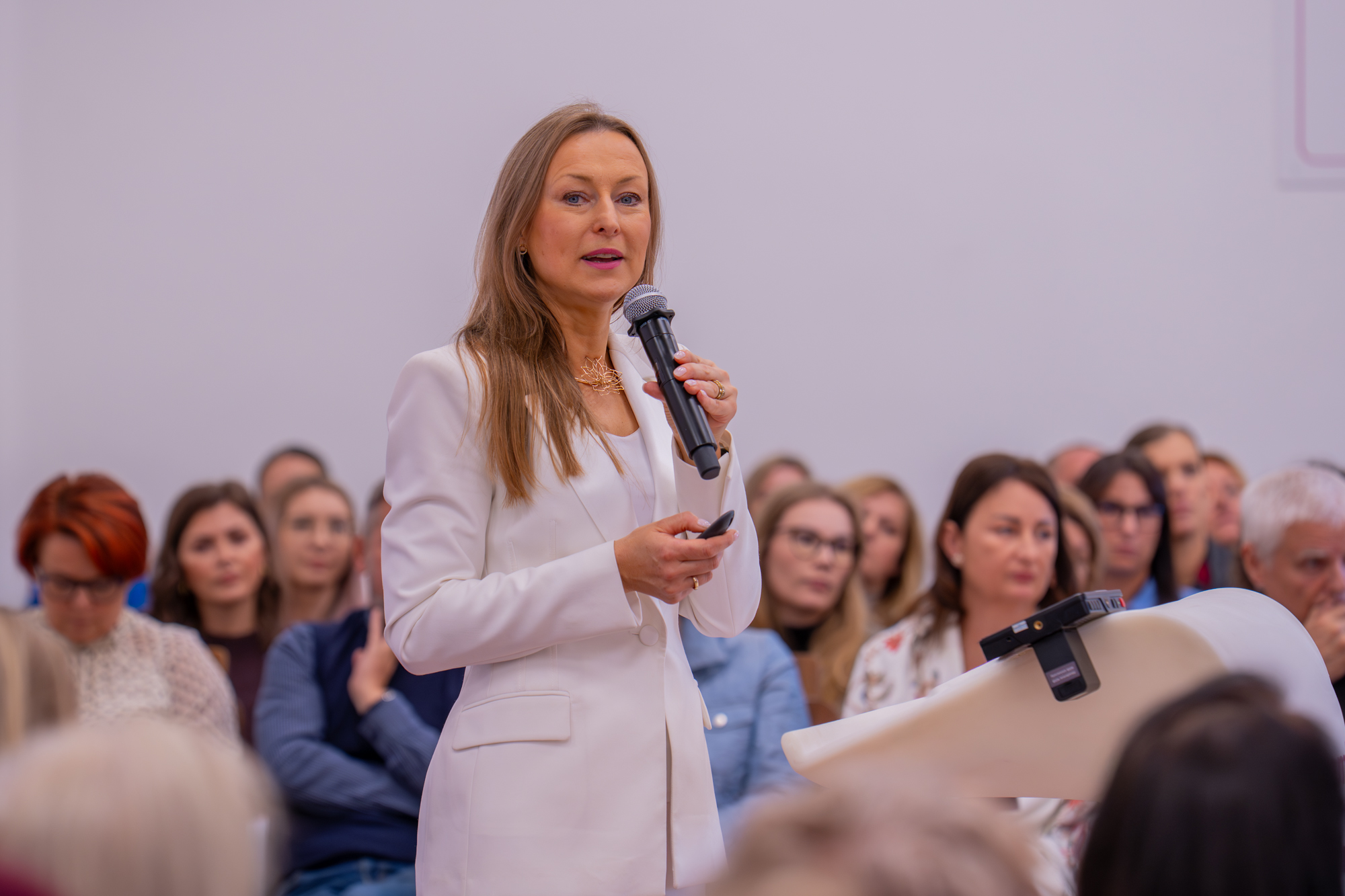
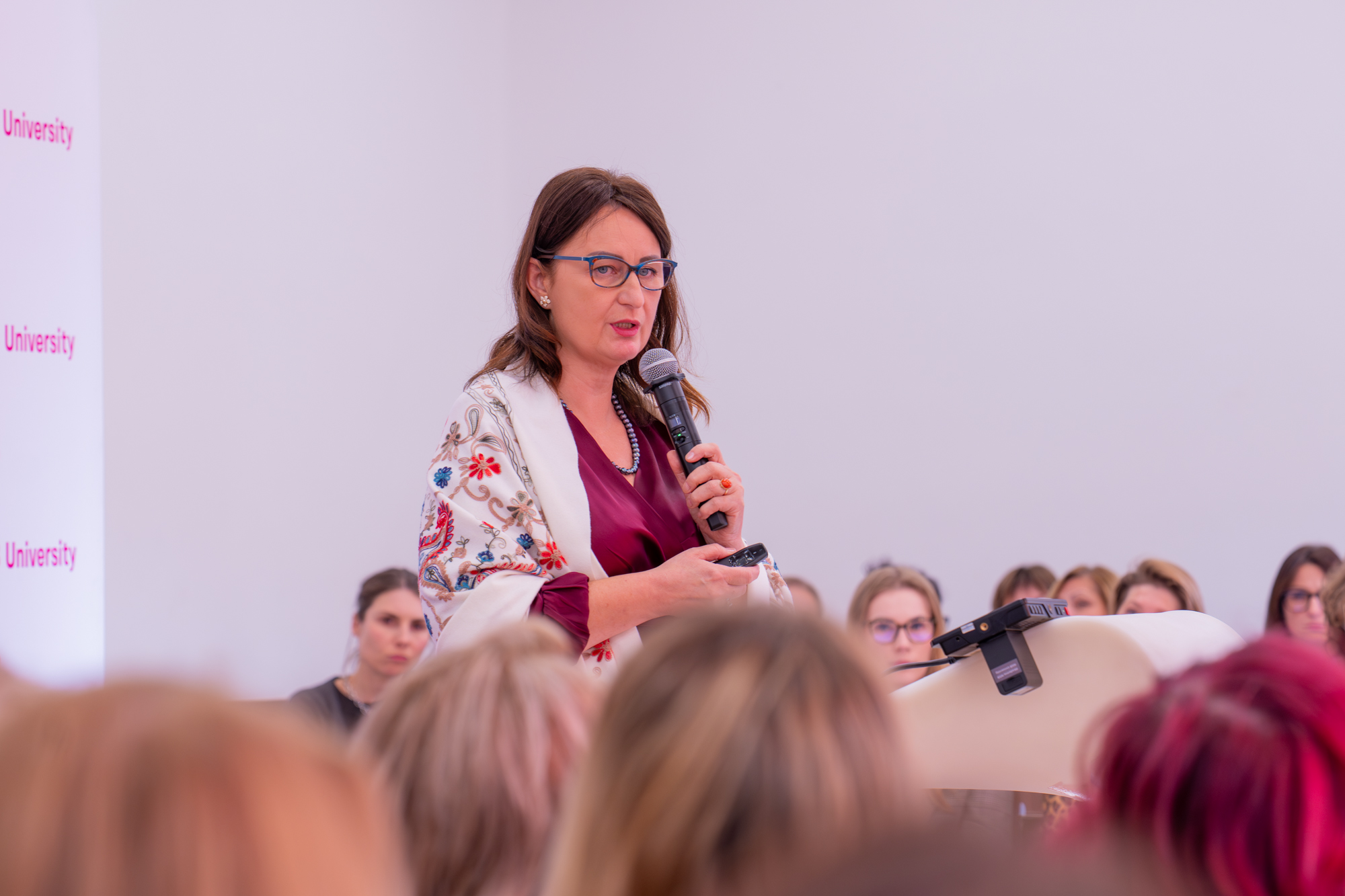
The final lecture was delivered by Iwona Wierzchucka, PhD, a psychologist, psychotherapist, and lecturer at WSB University. She asked what had come after deconstruction. In her view, the answer is pressure to optimise psychotherapy through procedures: once a grand truth was no longer available, effectiveness became the benchmark. Dr Wierzchucka did not question the need for procedures. Rather, she asked at what point they cease to provide a framework and begin to protect the therapist from what is happening within themselves – for example, when a patient begins to cry and the therapist returns to an exercise in a workbook.
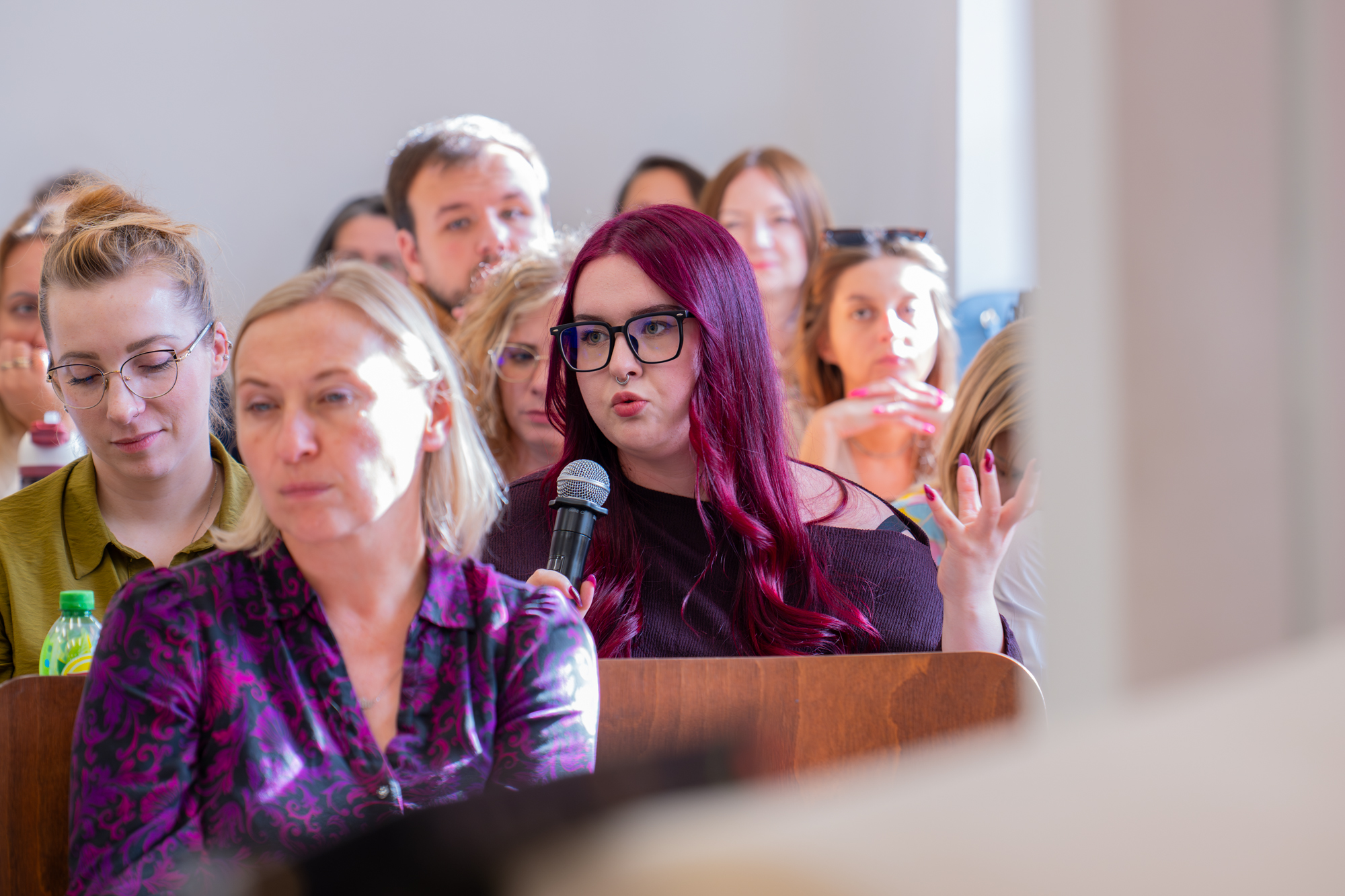
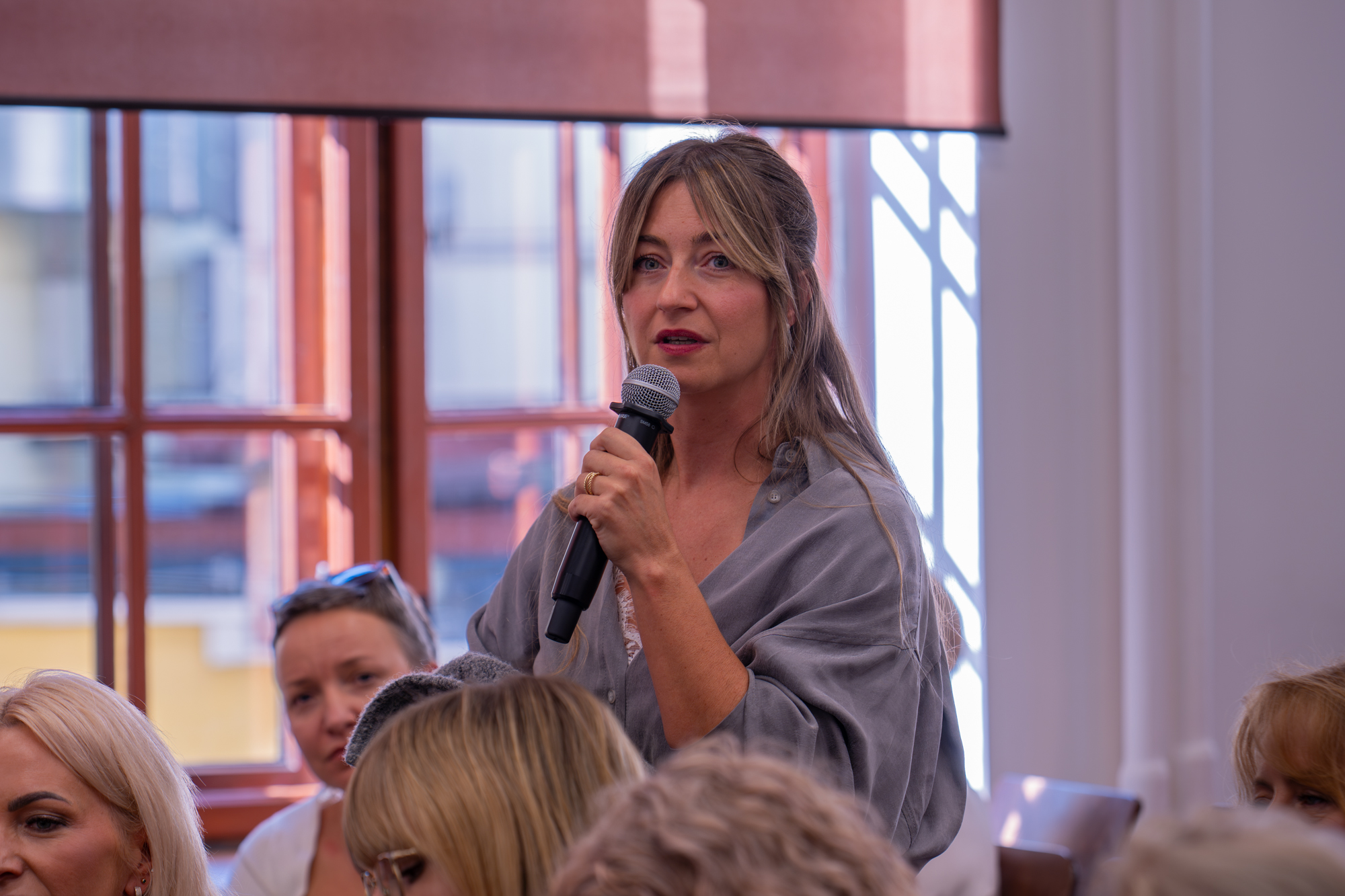
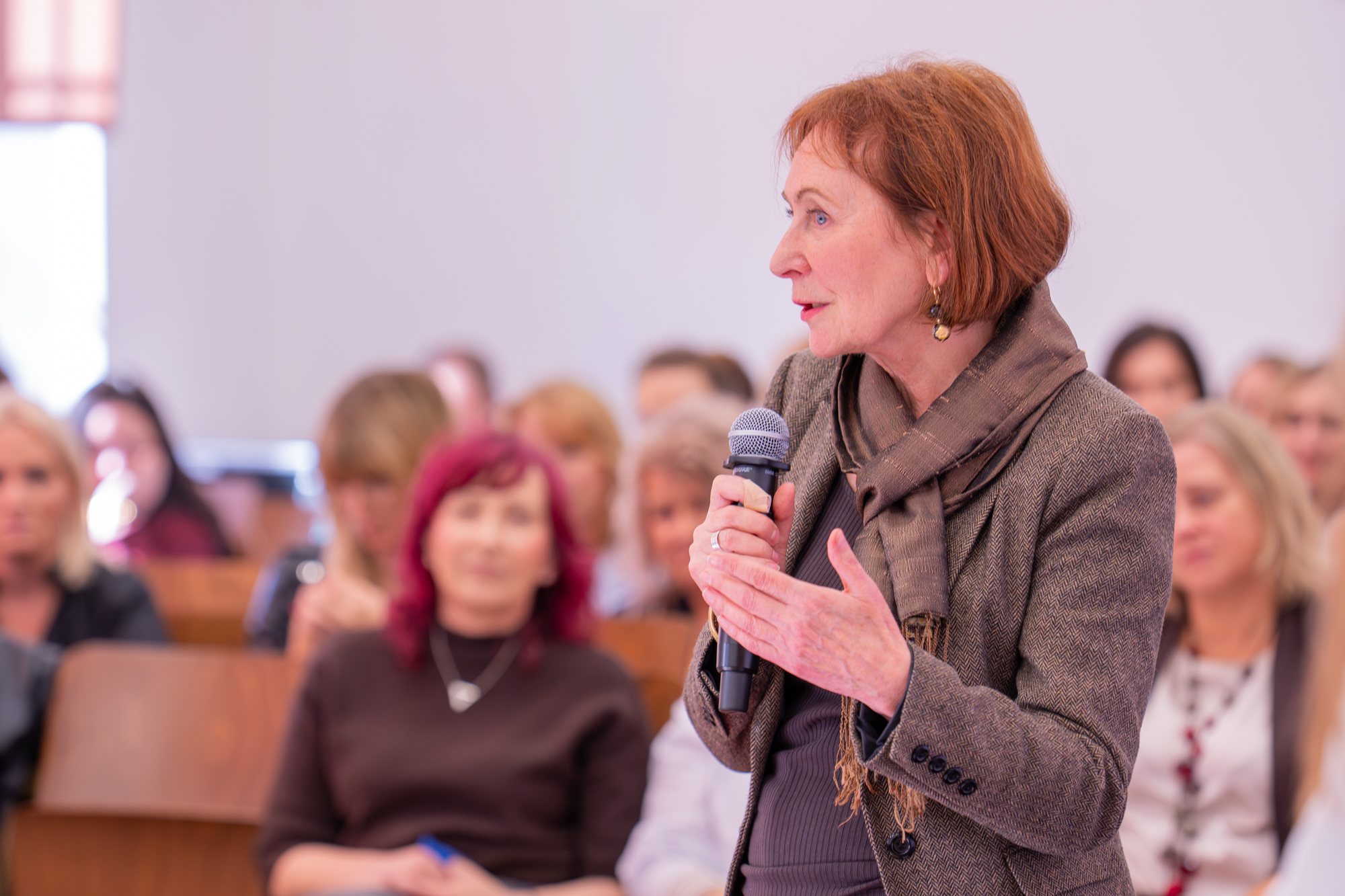
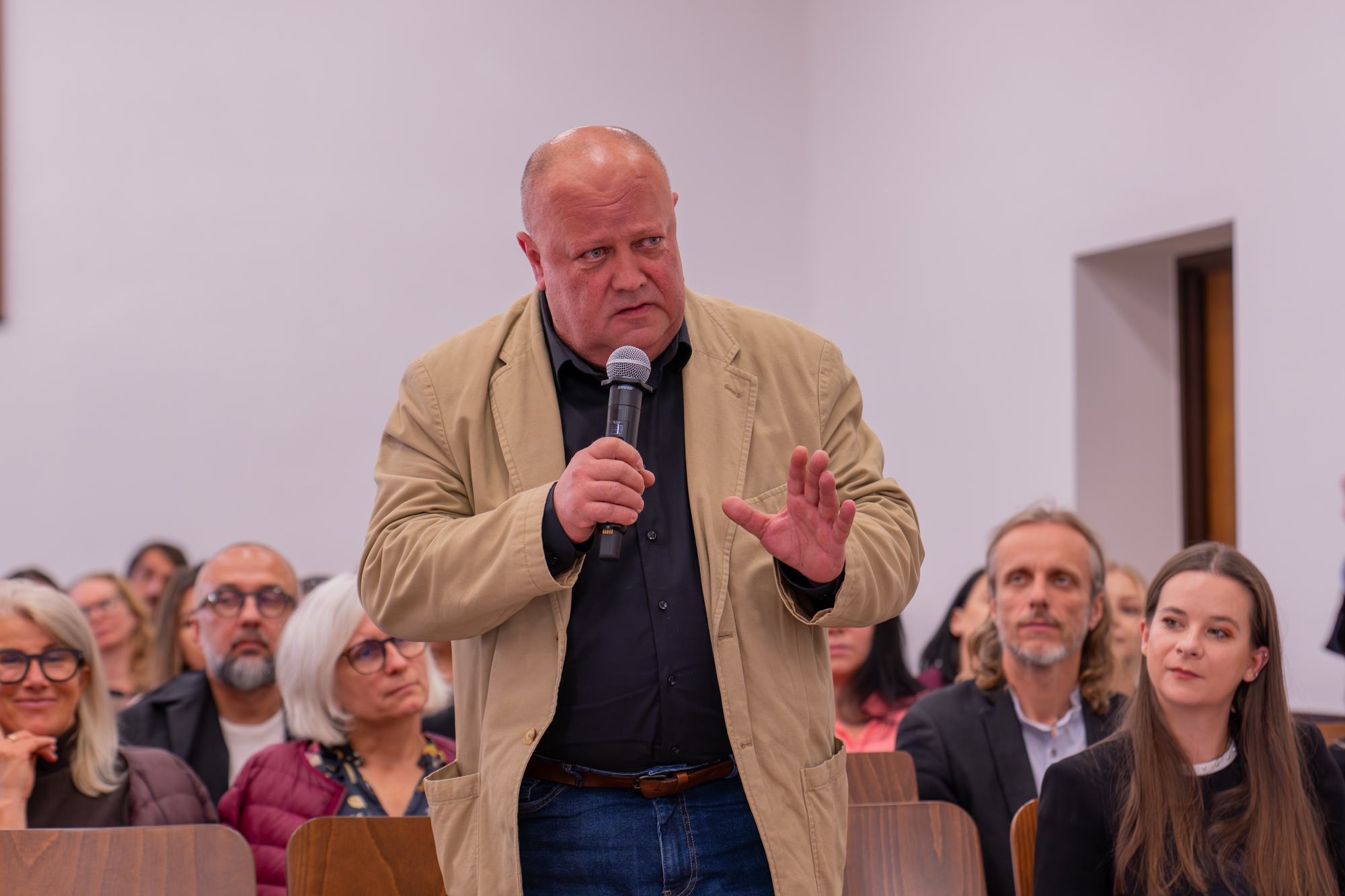
The speaker described her work with two teenage girls, one of whom said that everything felt “as if in a fog, as if behind glass”. She also presented the results of her own research involving 30 therapist–patient pairs. The emotional difficulties experienced by the therapist within the relationship were associated with how the patient assessed their collaboration and the therapist’s interventions. The lecture concluded with a reference to Antoni Kępiński and his idea that a person who is ill must feel the presence of a living human being beside them. On her final slide, Dr Wierzchucka showed a vehicle drawn in the style of Leonardo da Vinci’s sketches, bringing together themes from all three presentations. After each lecture, participants had time to ask questions and engage in discussion with the speakers.
“We welcomed to Cieszyn people whose books and lectures have educated several generations of Polish therapists, and I am very pleased that our lecturer, Dr Iwona Wierzchucka, spoke alongside them. This was the first psychology conference at our Faculty, and the room was fully booked straight away. For us, this signals a need for such meetings in the region, while for psychology students it offers an opportunity to see what discussion of the profession looks like at the highest level. We want Cieszyn to become a regular fixture on the map of major psychology events,” says Edyta Nowak-Żółty, PhD, Dean of WSB University’s Faculty in Cieszyn.
The Cooperative Bank in Skoczów and Cieszyn County Support the Psychology Conference
The conference was made possible through the support of our partners, to whom we extend our sincere thanks. The event was sponsored by the Cooperative Bank in Skoczów, while Cieszyn County also supported its organisation. Such involvement by institutions from the region enables us to invite outstanding specialists to Cieszyn and make the lectures available free of charge to everyone interested, both in person and online.
The conference’s subject matter is directly connected with the Psychology degree programme, which the Faculty in Cieszyn offers as a long-cycle master’s programme. Students choose one of five specialisations: clinical psychology, child and adolescent psychology, business psychology, sports psychology and mental training, and cyberpsychology and human–technology interaction. Classes are taught by, among others, practising psychotherapists, and the University cooperates with healthcare facilities and support institutions in the region where students undertake placements.
Media Patronage
The Cieszyn Silesia portal OX.pl
The Cooperative Bank in Skoczów supported the organisation of the First Psychology Conference in Cieszyn.
Cieszyn County supported the organisation of the First Psychology Conference in Cieszyn.