- Student
- Student
- News
- Events
- Business School
- Doctoral School
- International Dean’s Office
- International Cooperation Office
- Academic Career Office
- Academic Sports Association
- Library
- Student Groups
- Internships
- Electronic Examination Center
- Scholarship office
- Finance Department
- Your Stay in Poland
- Academic Schedule
- The Centre for People with Special Needs
- Alumni and Students Association
- Personal Student Profile
- Support Zone
- Virtual University
- Contact
- Individual Study Plan
- Empty
- Admissions
- Research
- University
- Erasmus+
Data
28.09.2026
Three Days in the Barracks, a Finale at Wawel. The 14th National Tournament for Uniformed-Service Classes Has Concluded
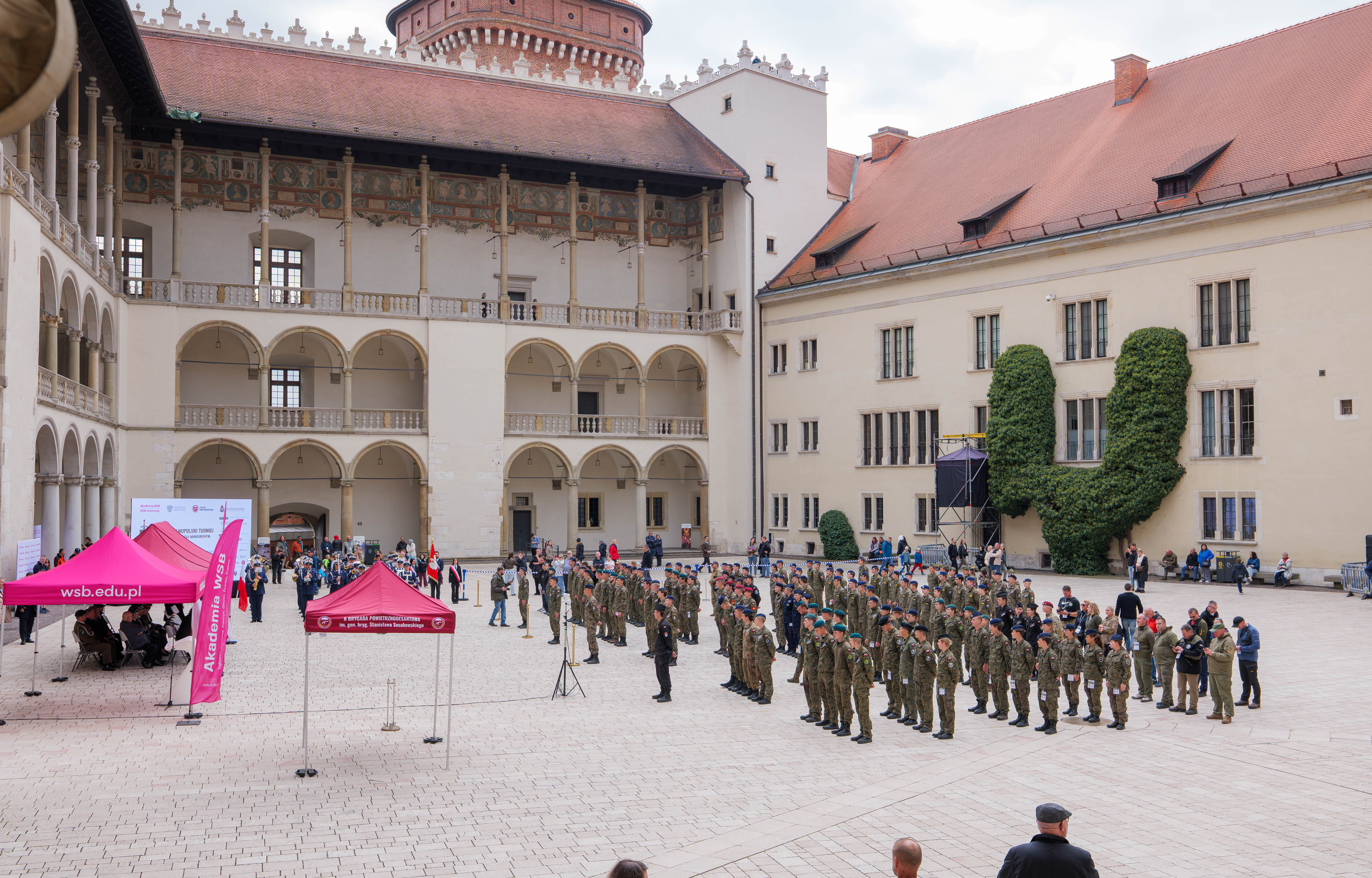
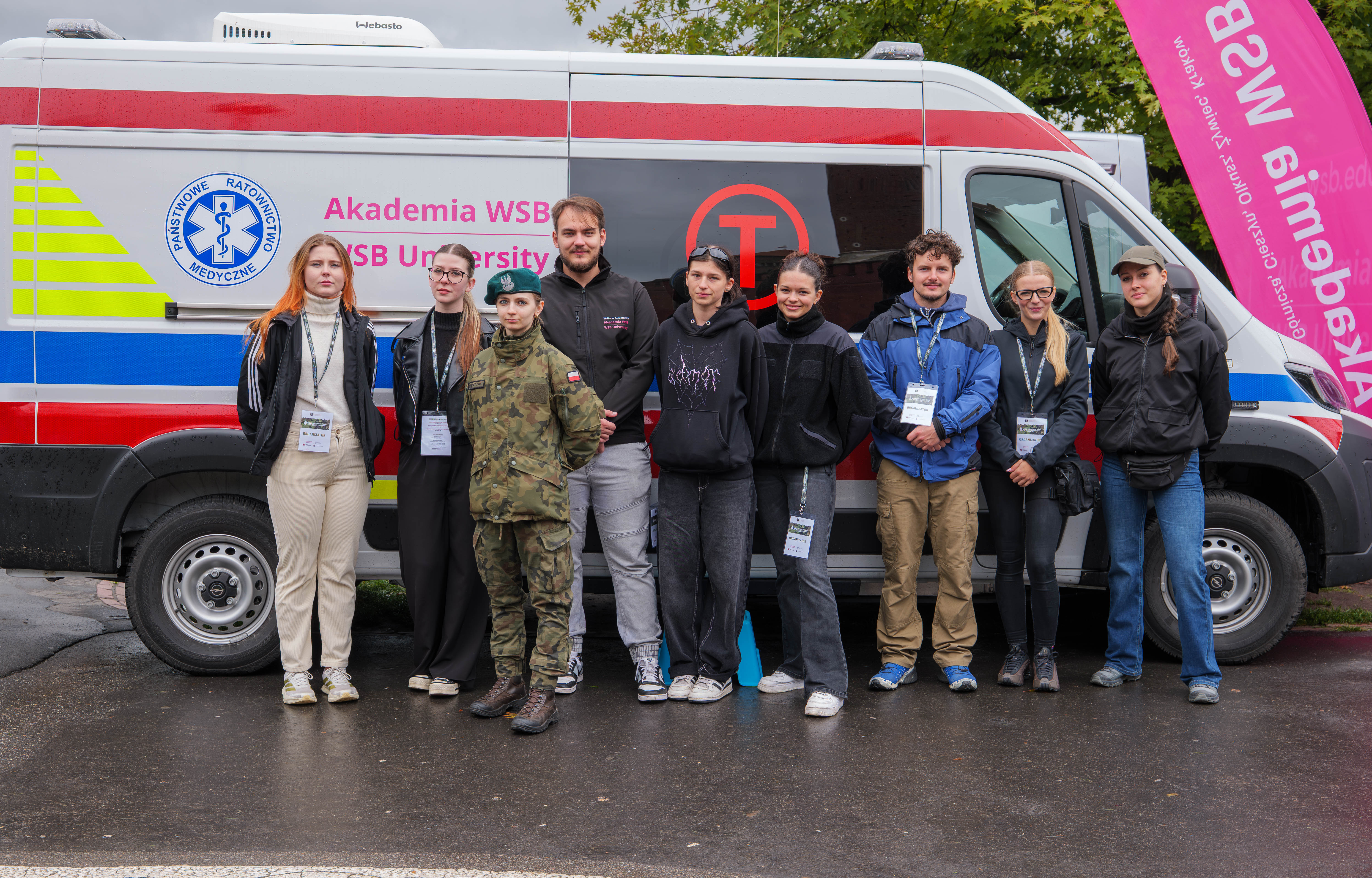
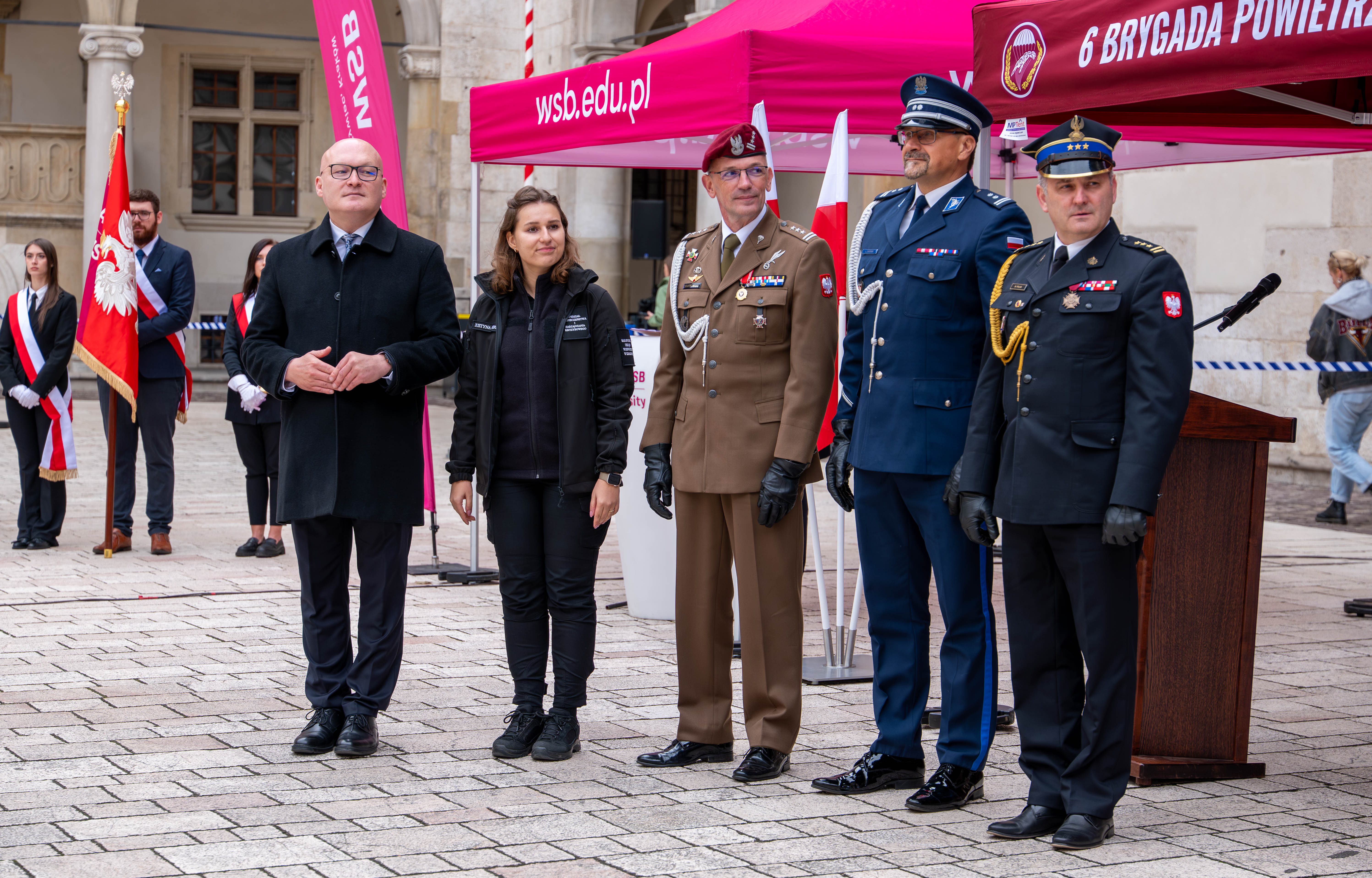
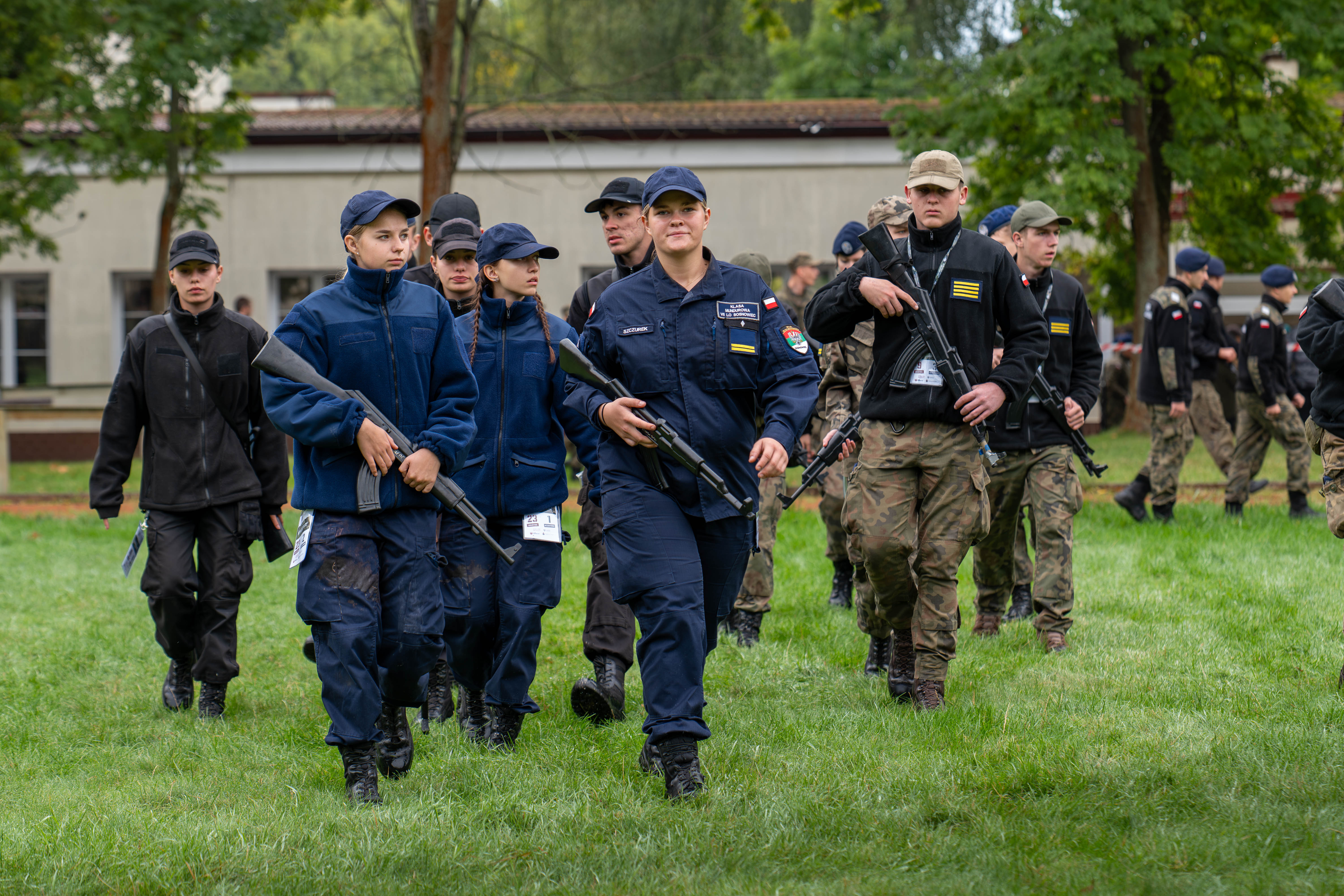
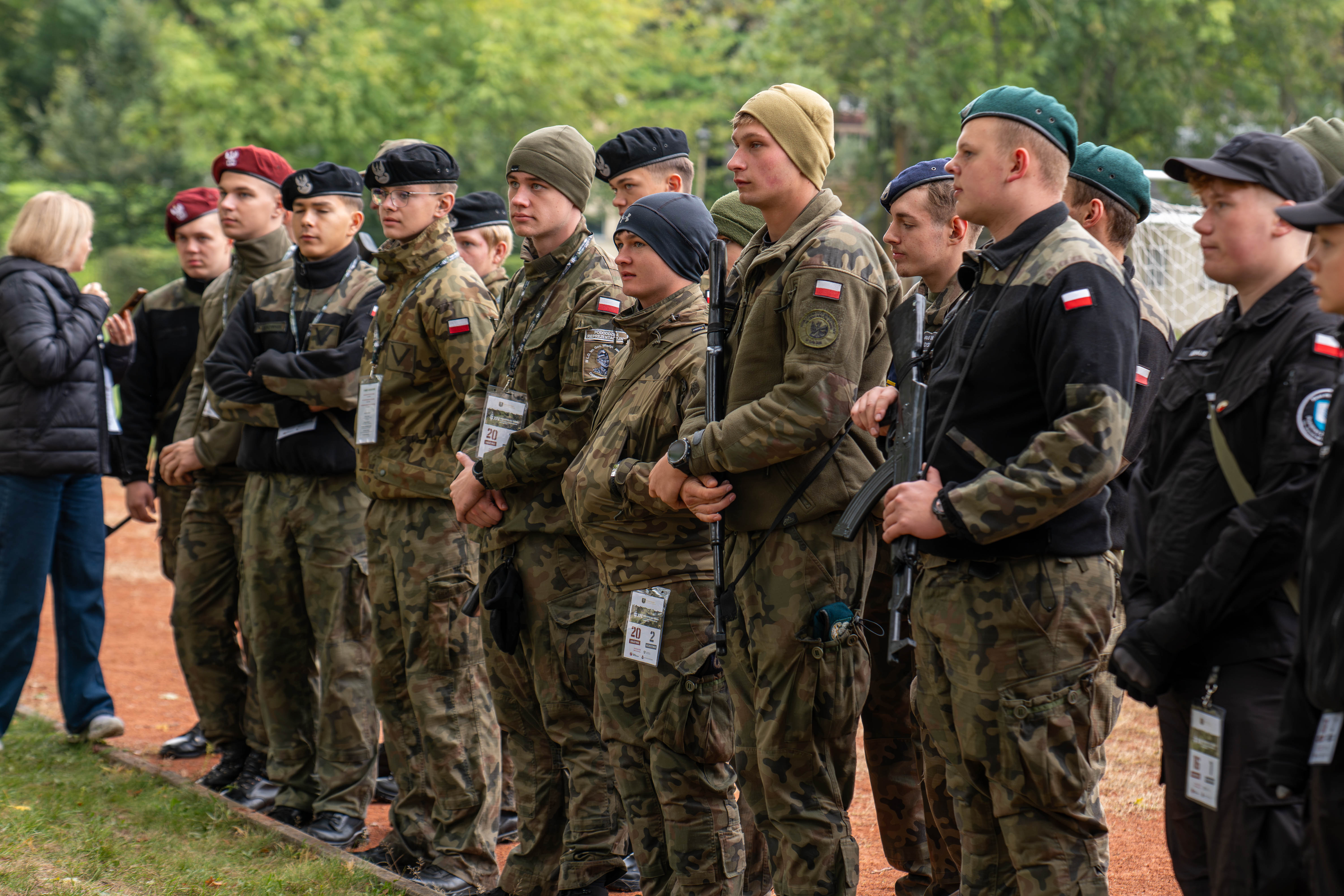
More than 160 uniformed students from across Poland competed for three days in Kraków, on the grounds of the 16th Airborne Battalion. The winners were announced during a formal gala in the Arcaded Courtyard of Wawel Royal Castle. The tournament is organised by WSB University, with the Voivode of Małopolska co-organising this year’s edition.
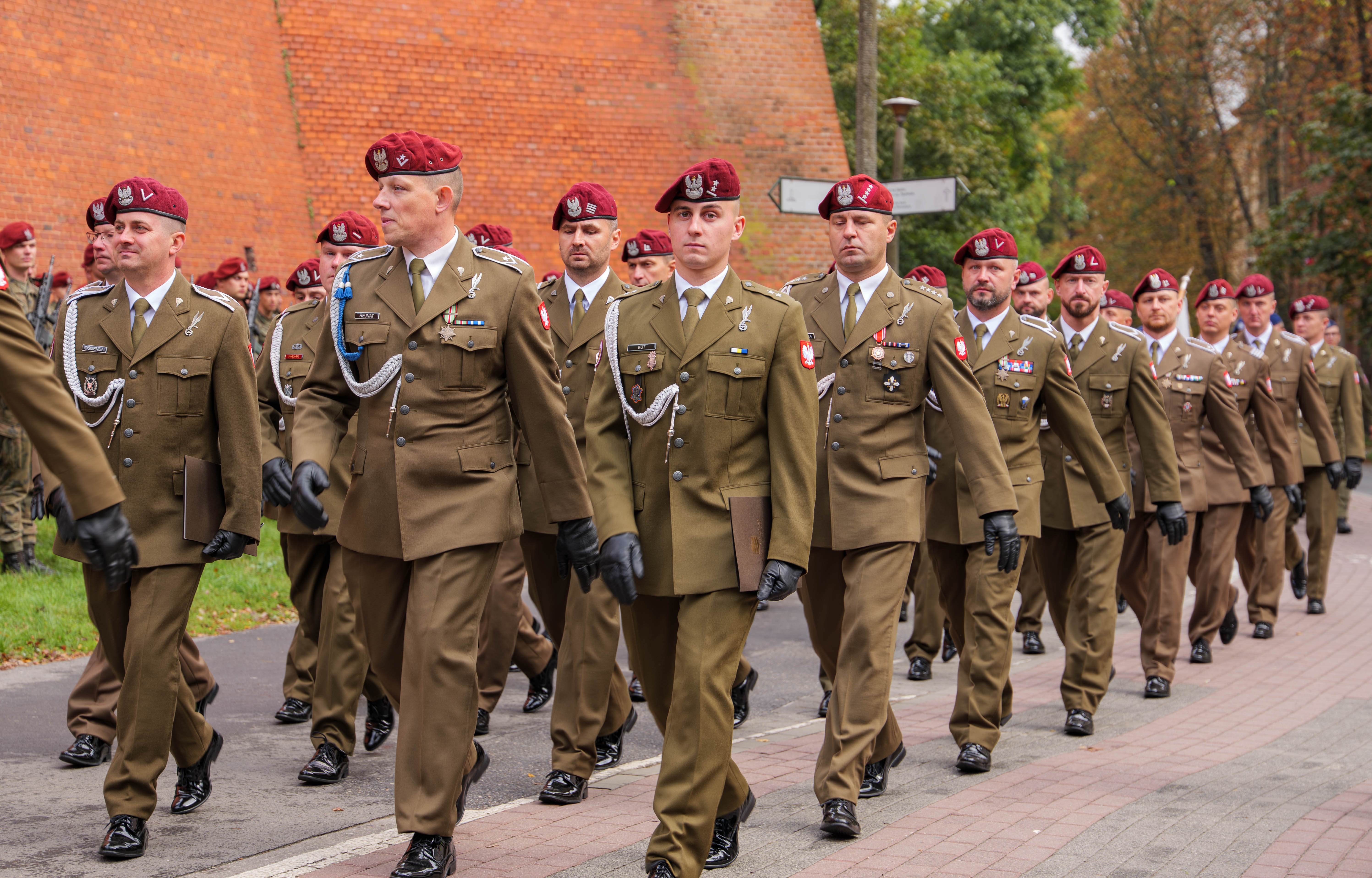
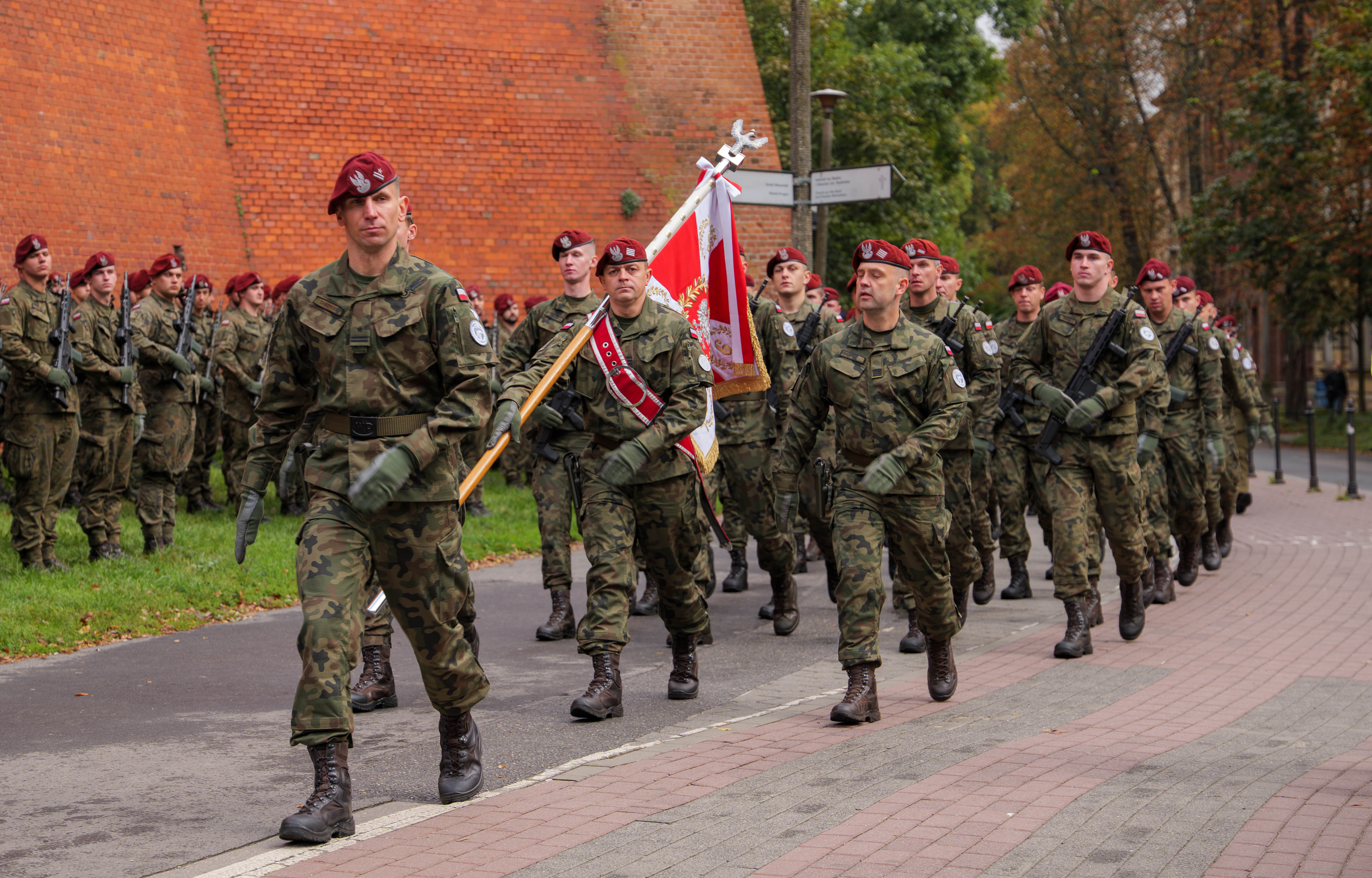
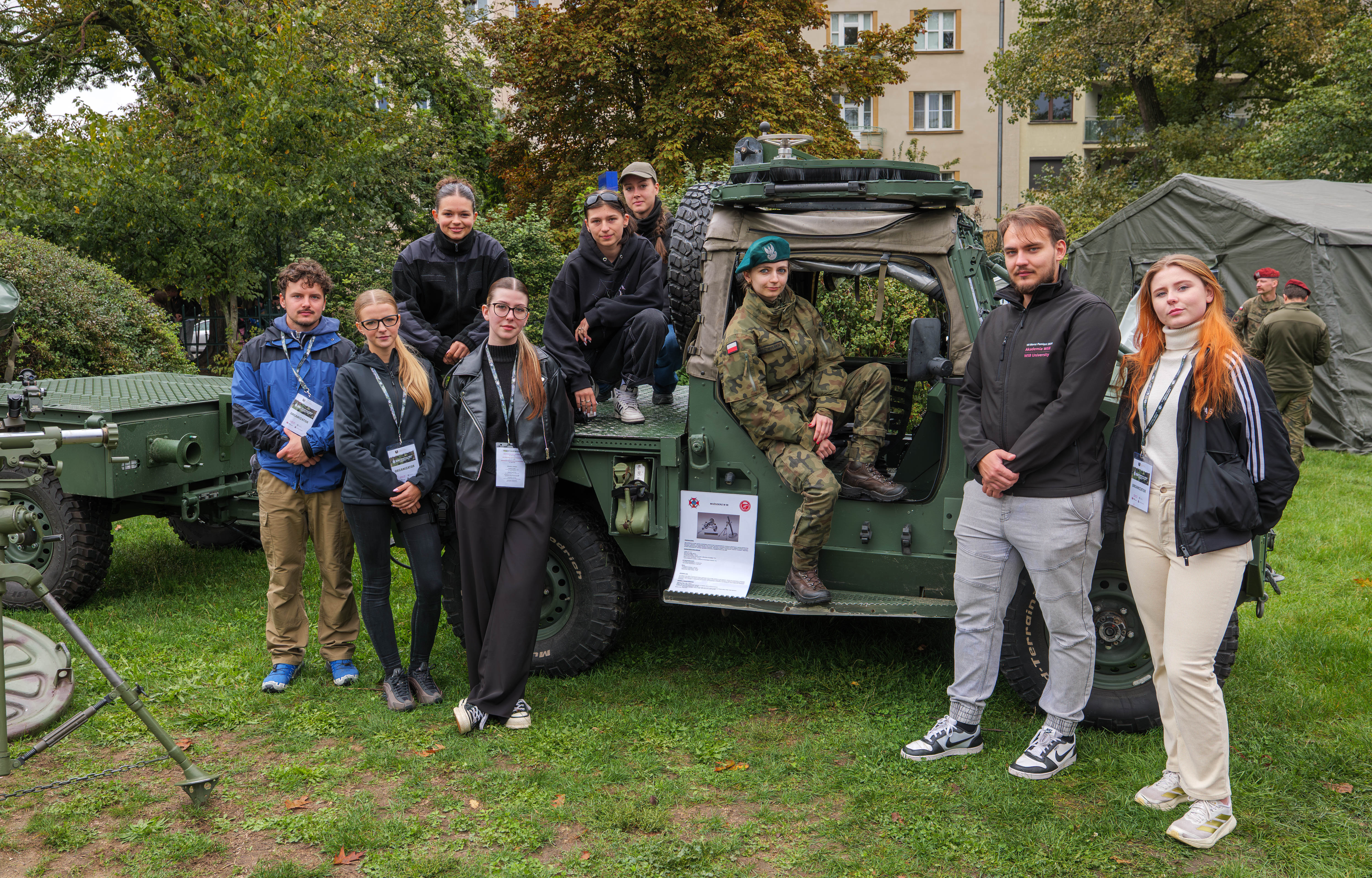
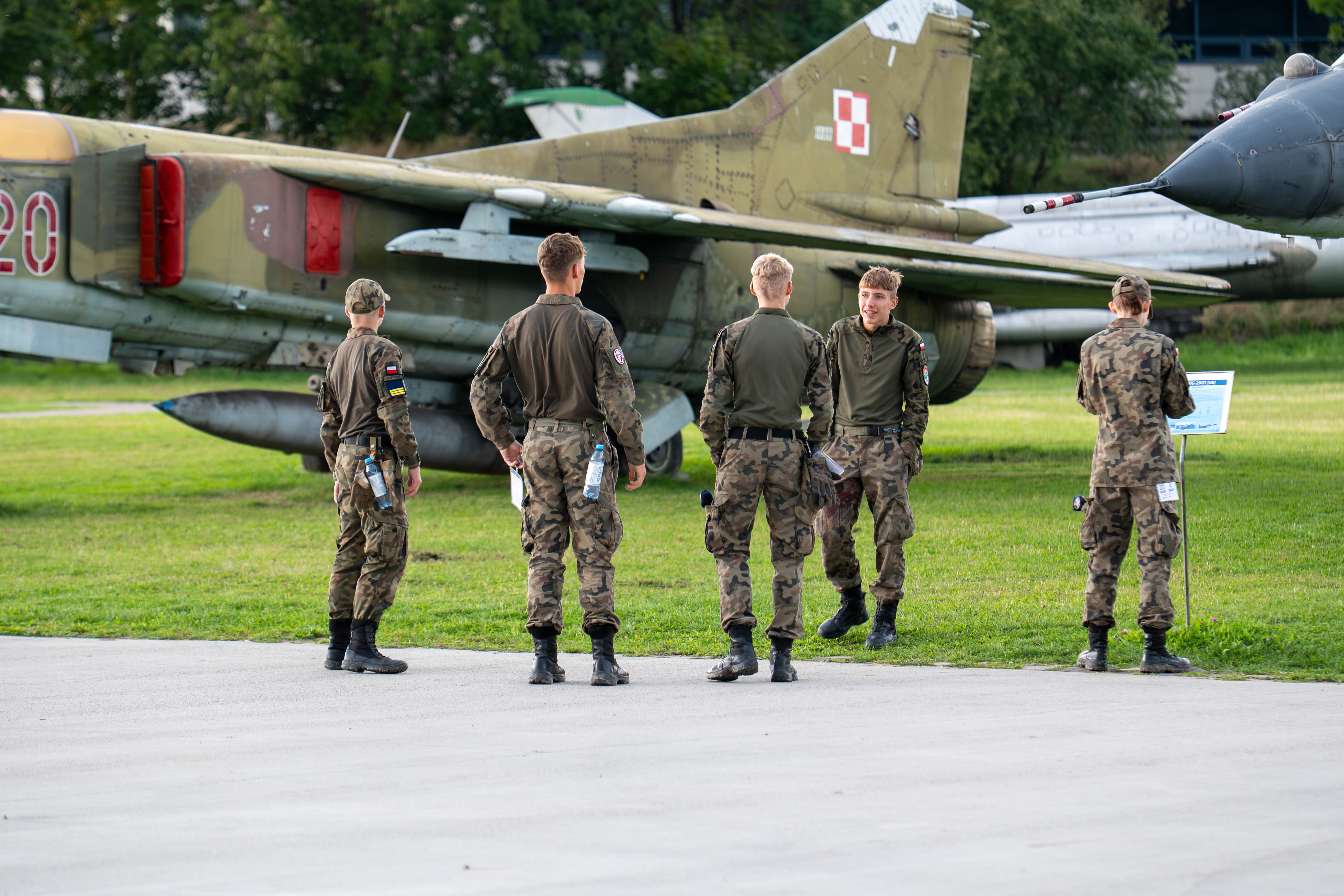
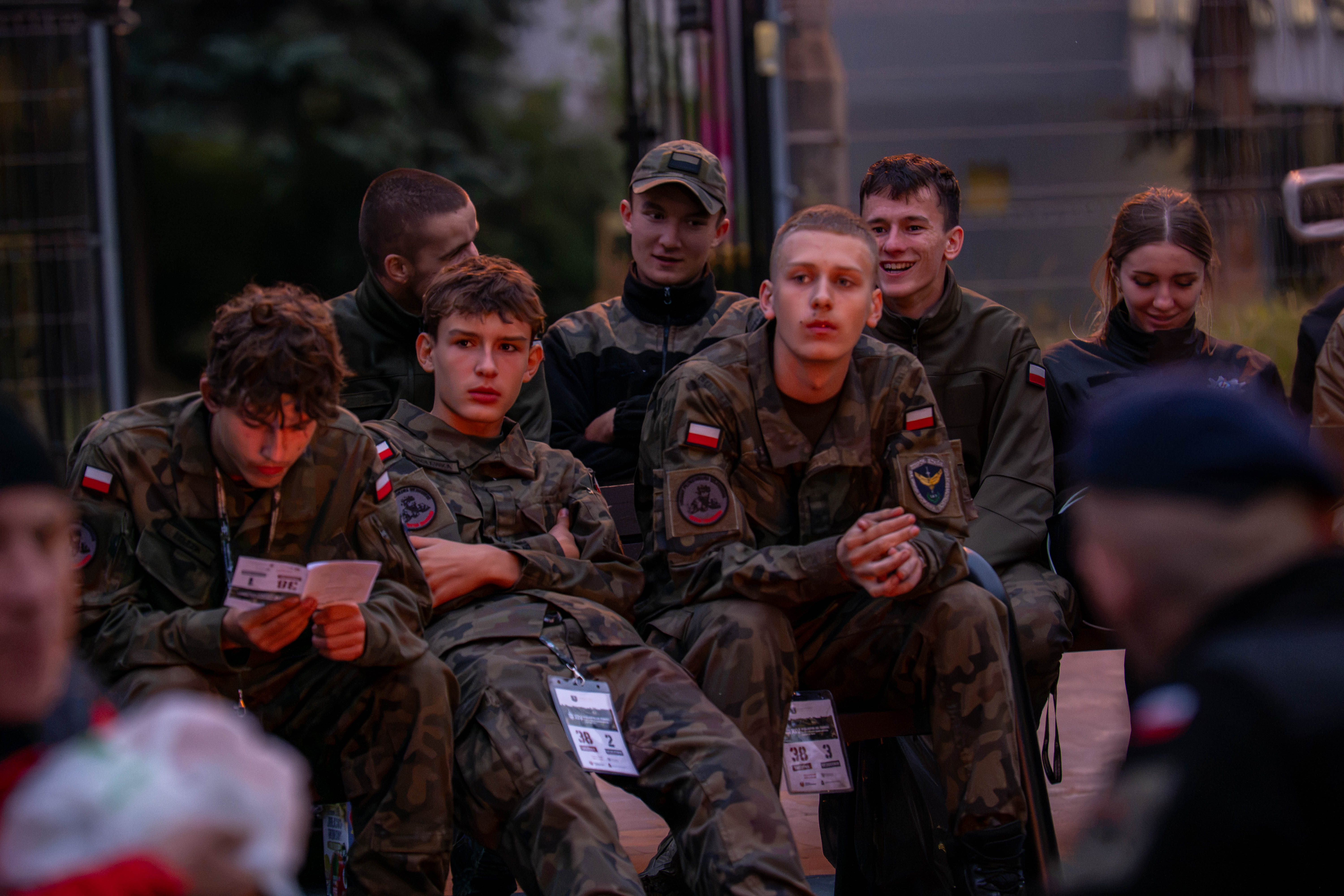
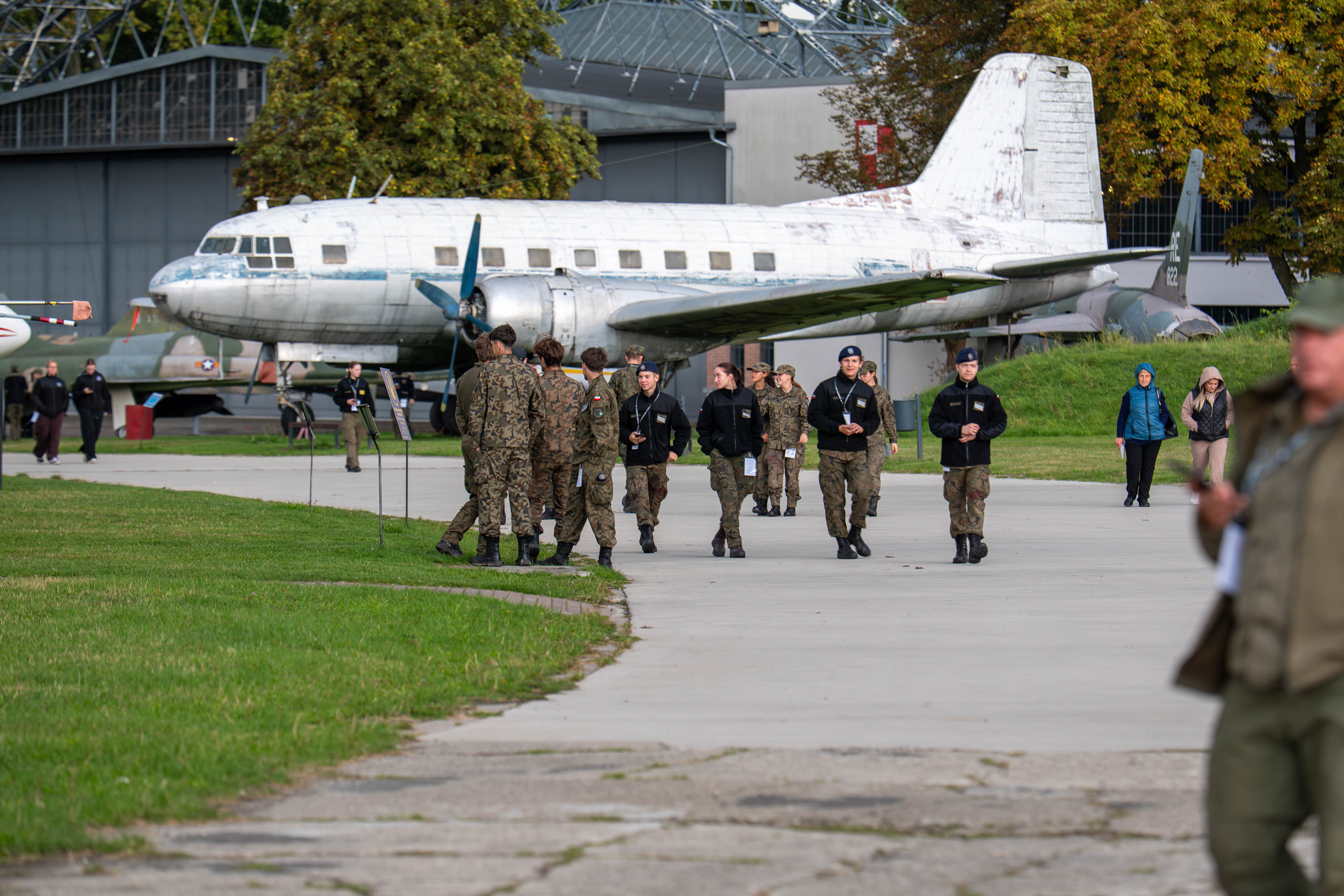
The tournament, organised by WSB University continuously since 2012, had never previously taken place in military barracks. This time, the cadets stayed in a camp on the grounds of the 16th Airborne Battalion, part of the 6th Airborne Brigade, and followed the unit’s daily routine for three full days.
“This was an exceptional tournament because, for the first time, it took place on the grounds of a military unit, the 16th Airborne Battalion. The cadets had the opportunity to see how the unit operates from the inside, around the clock,” said Professor Marek Walancik, Director of WSB University’s Centre for Uniformed Services Education and Security, reflecting on the event.
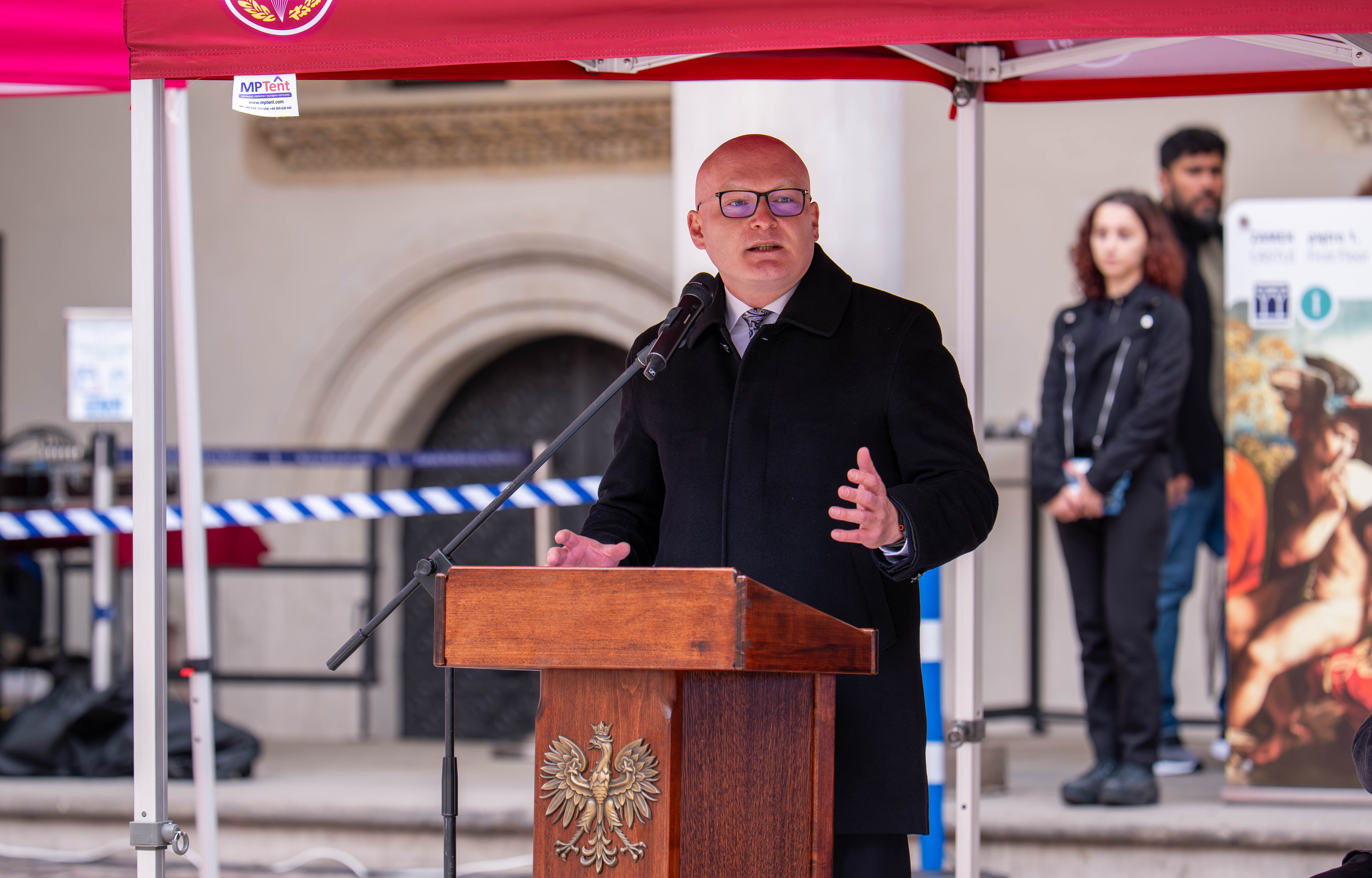
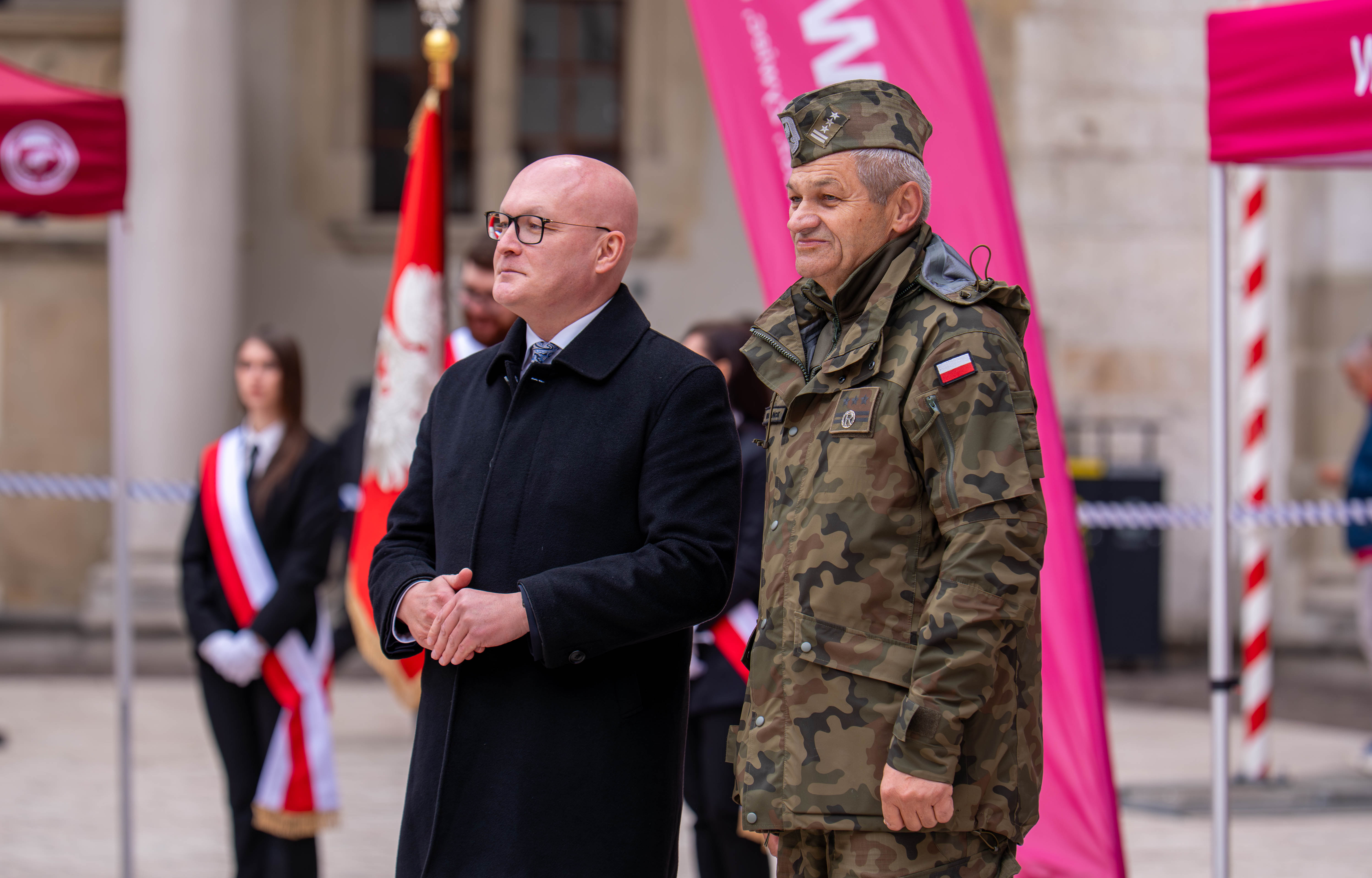
The Voivode of Małopolska, Krzysztof Jan Klęczar, PhD, Eng., pointed out that the conditions were nothing like those at school. “This is not a hotel; this is not a student residence. This is a camp set up by firefighters, under the kind of conditions in which people have to operate during real operations. That is exceptionally valuable.”
The team supervisors were quick to appreciate this change. “Simply entering the unit, settling into accommodation, reveille, lights-out, mealtimes, limited time for sleep and personal hygiene. All of this will become second nature to them and give them a great deal of satisfaction,” said Jarosław Gapiński, supervisor of the team from the Economic and Service Schools Complex in Zabrze, who was attending the tournament for the fourth time. “What we cannot practise at school, we will practise at the military unit.”
14th National Tournament for Uniformed-Service Classes – Day 1 Photo Report
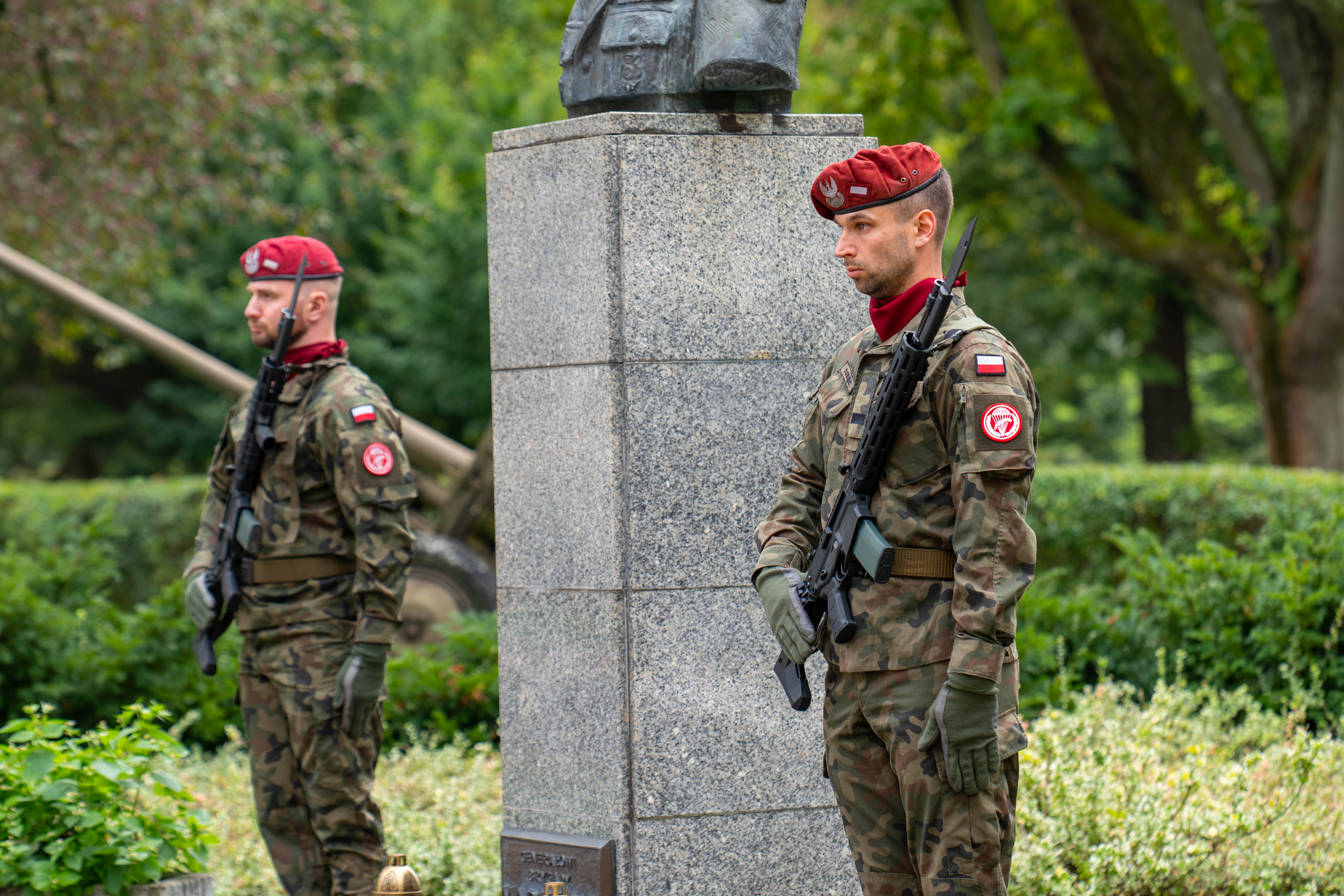
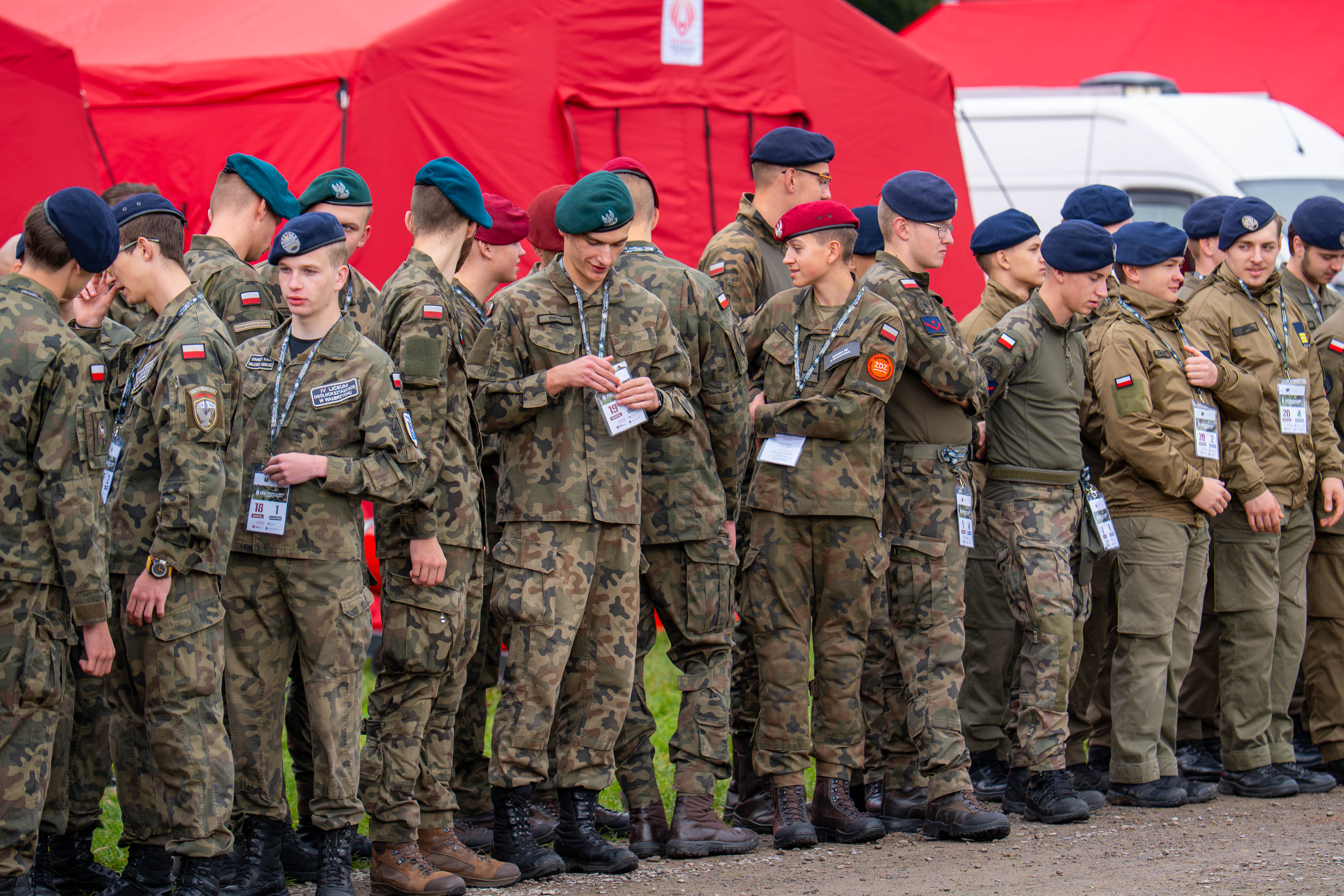
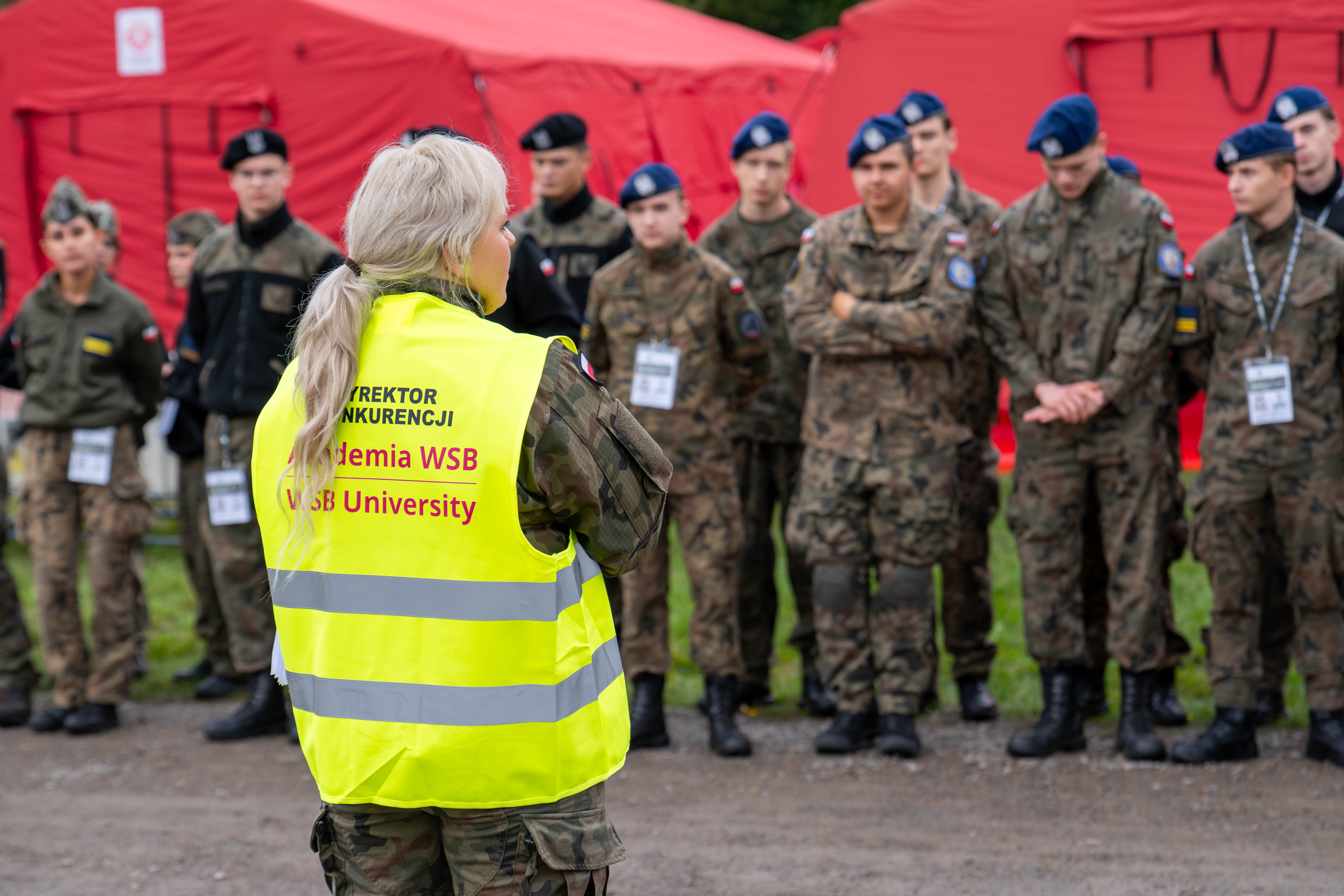
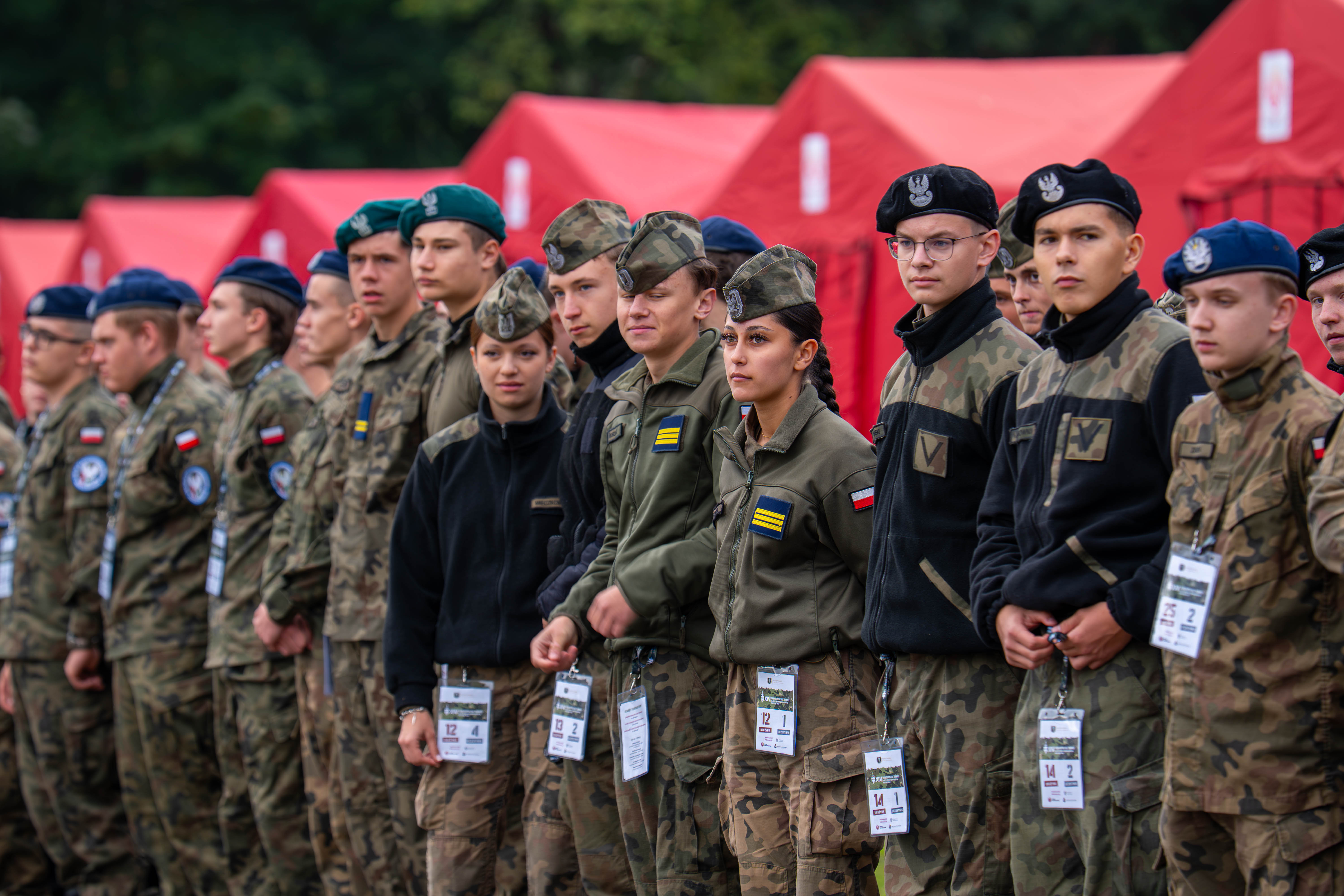
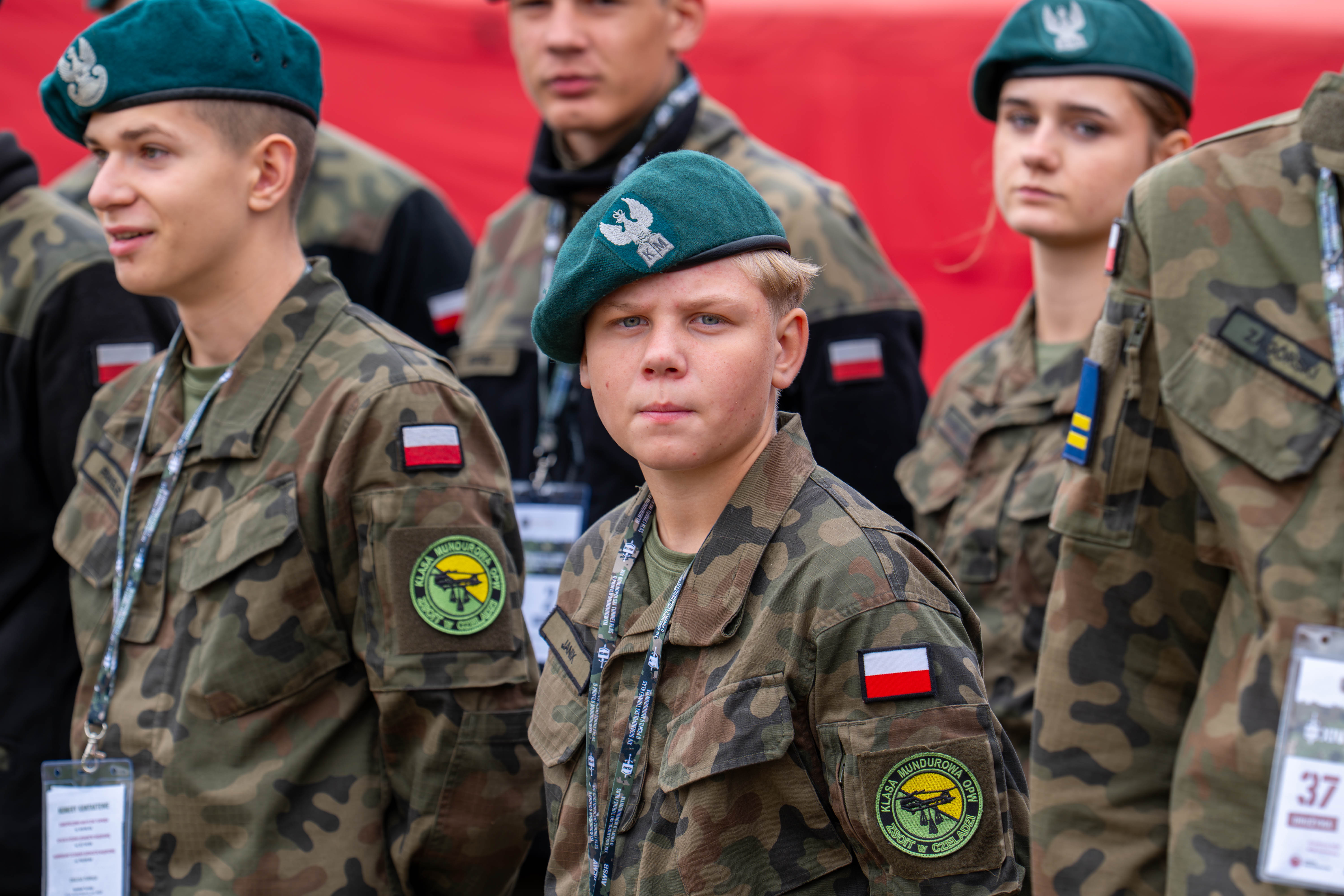
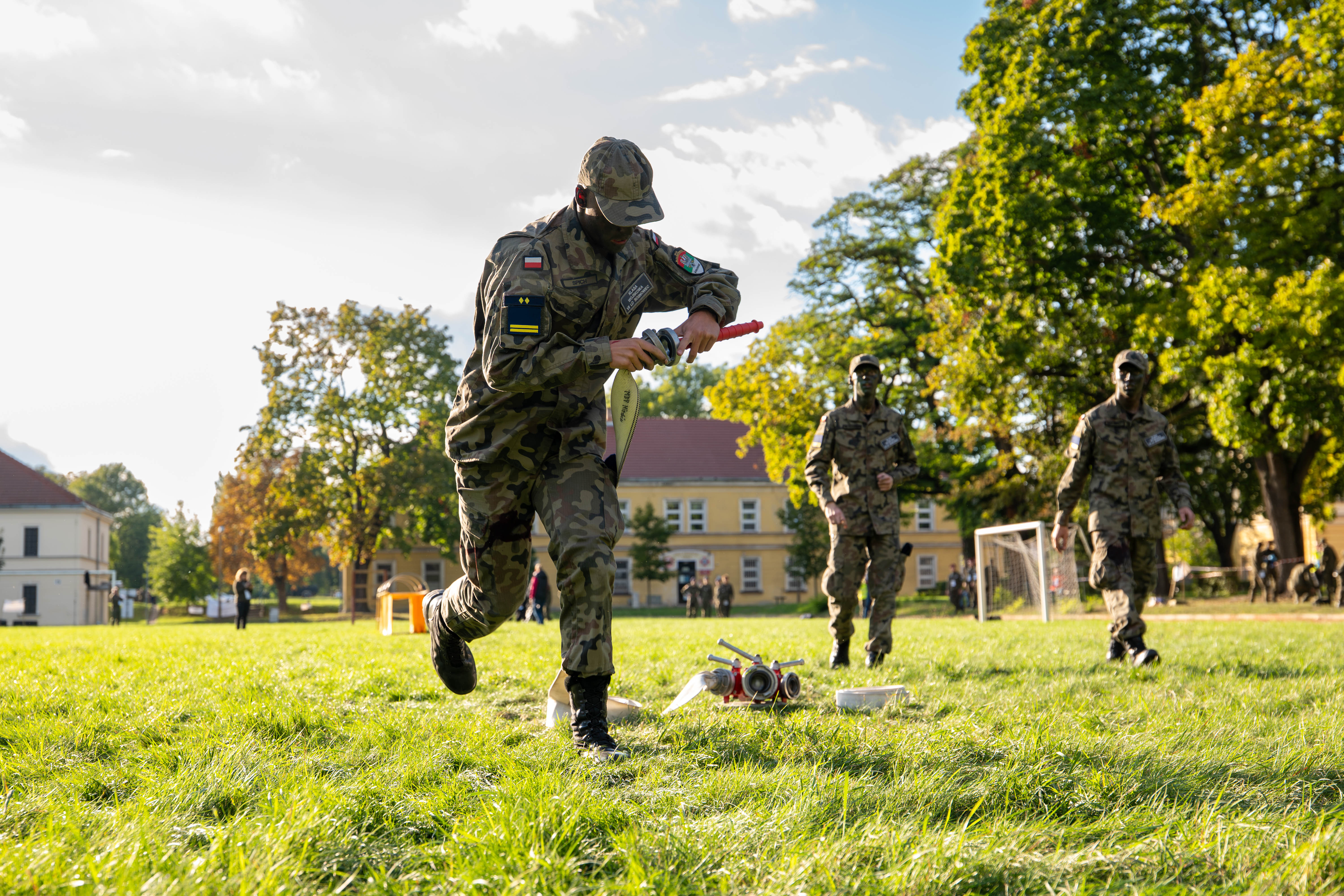
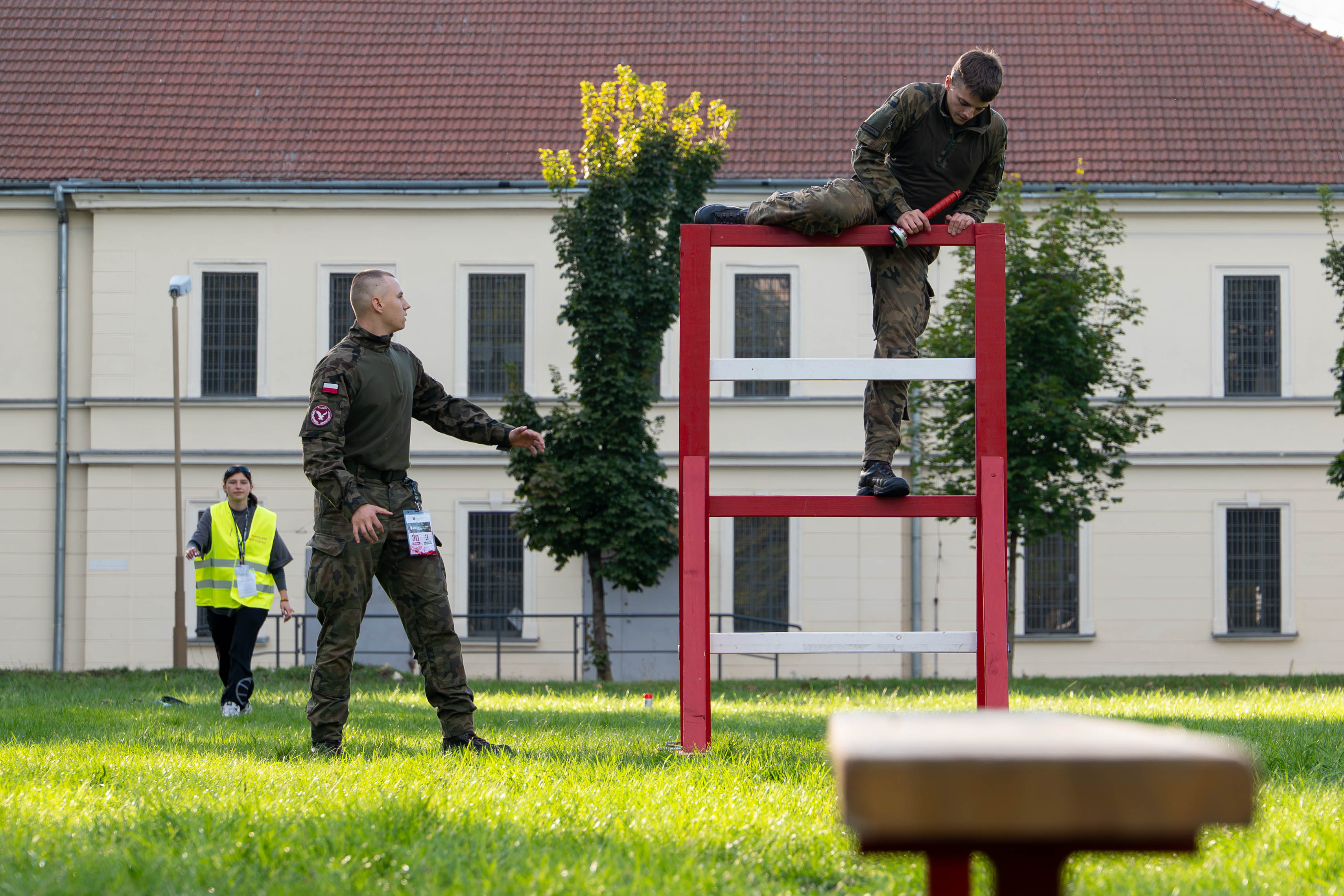
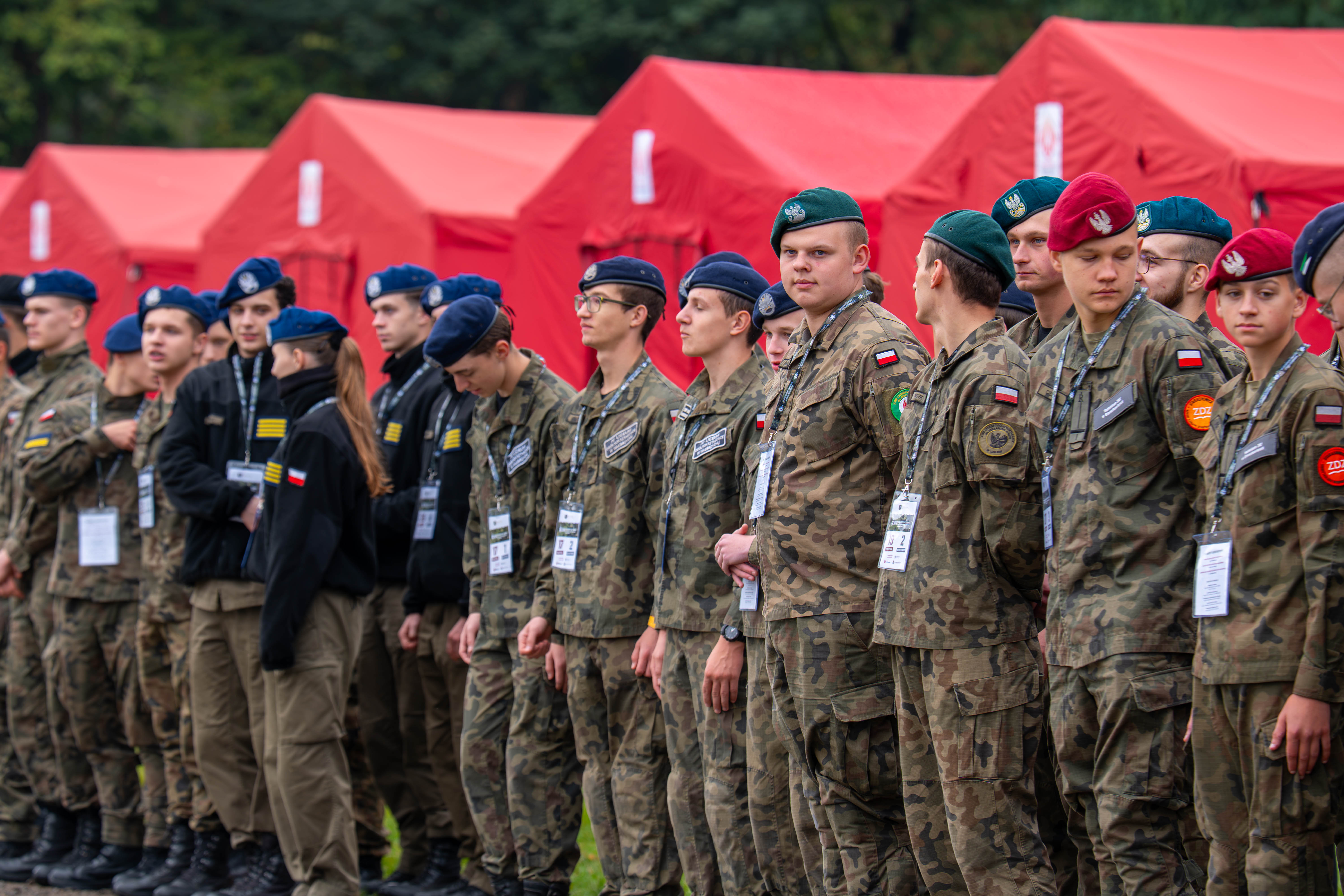
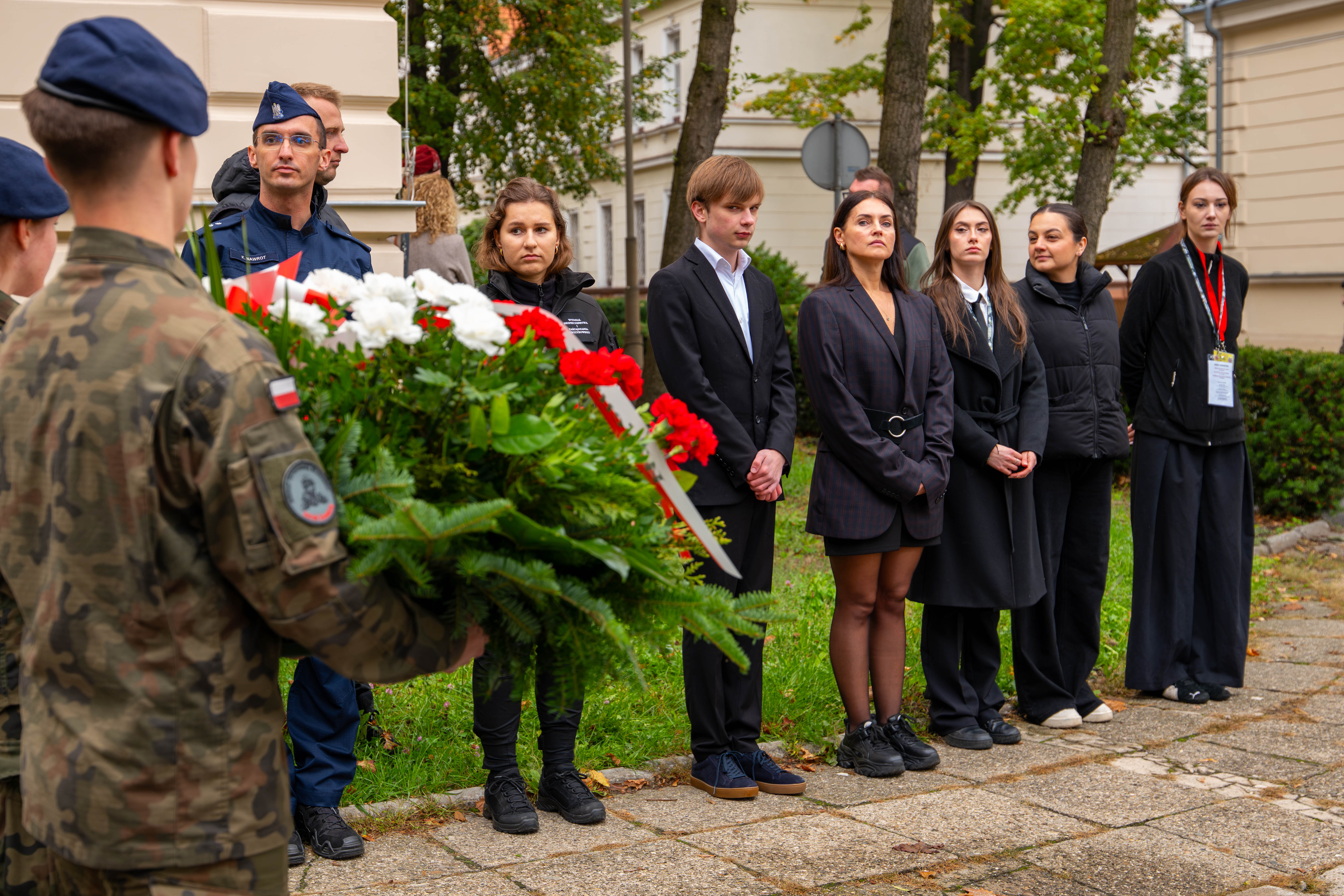
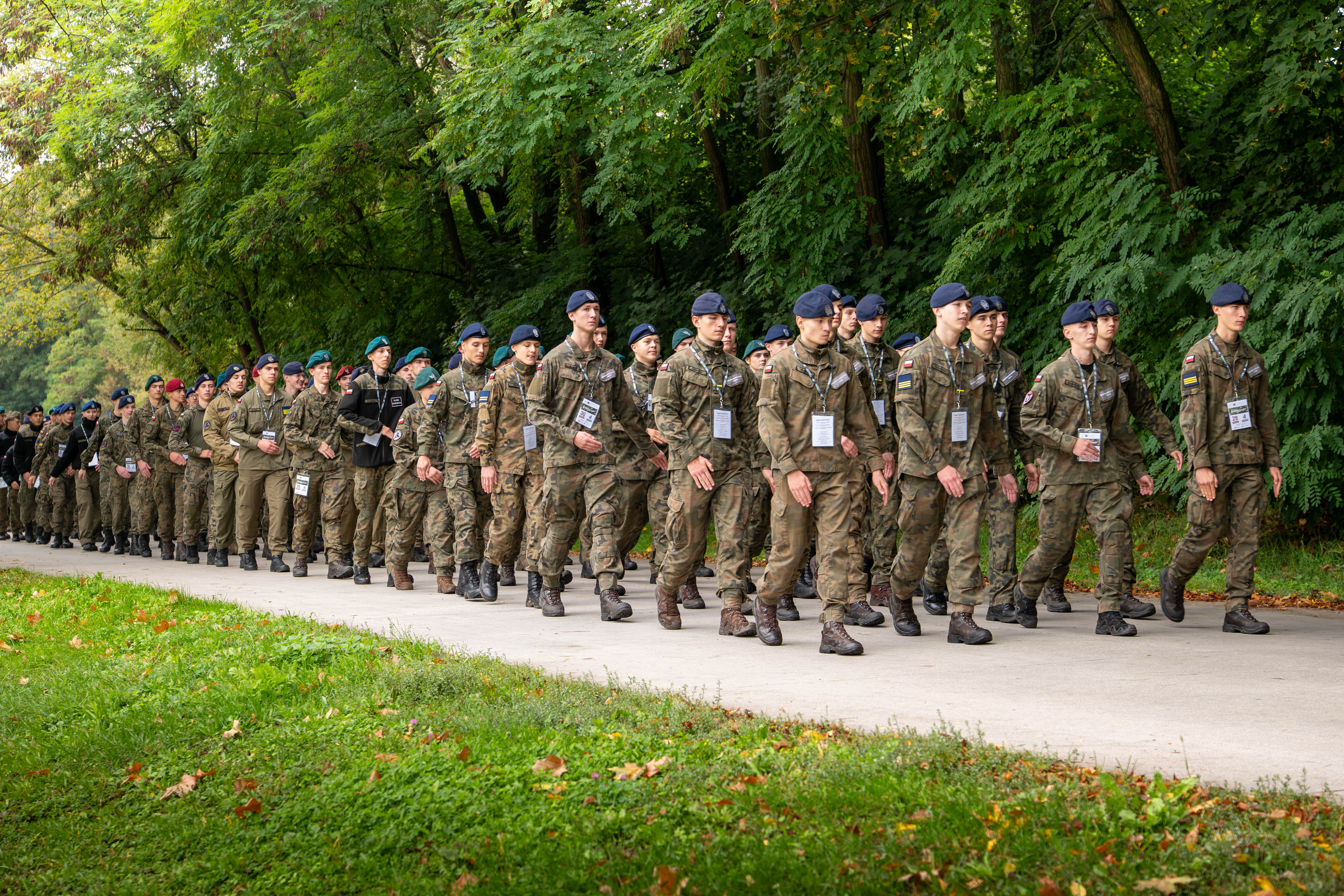
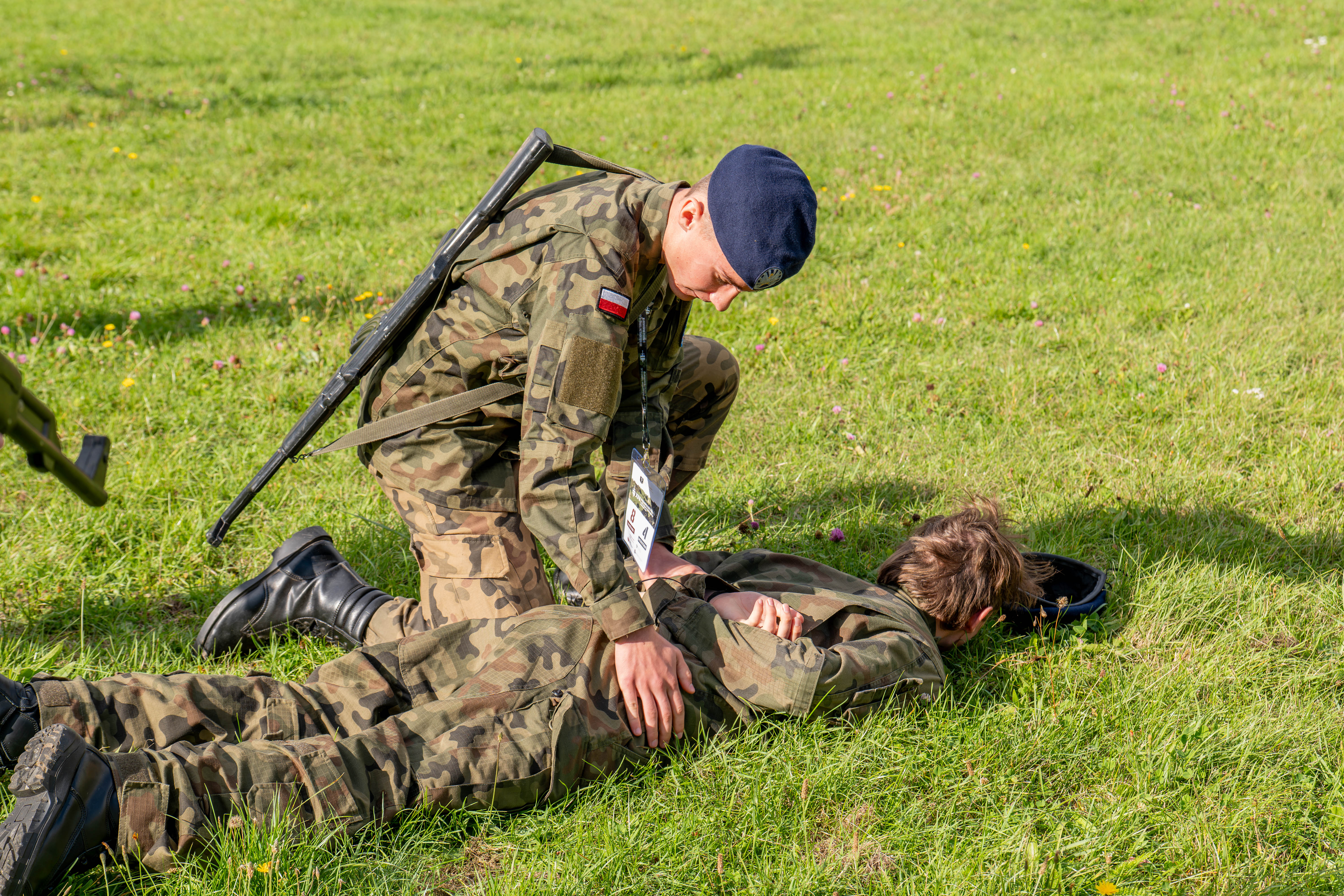
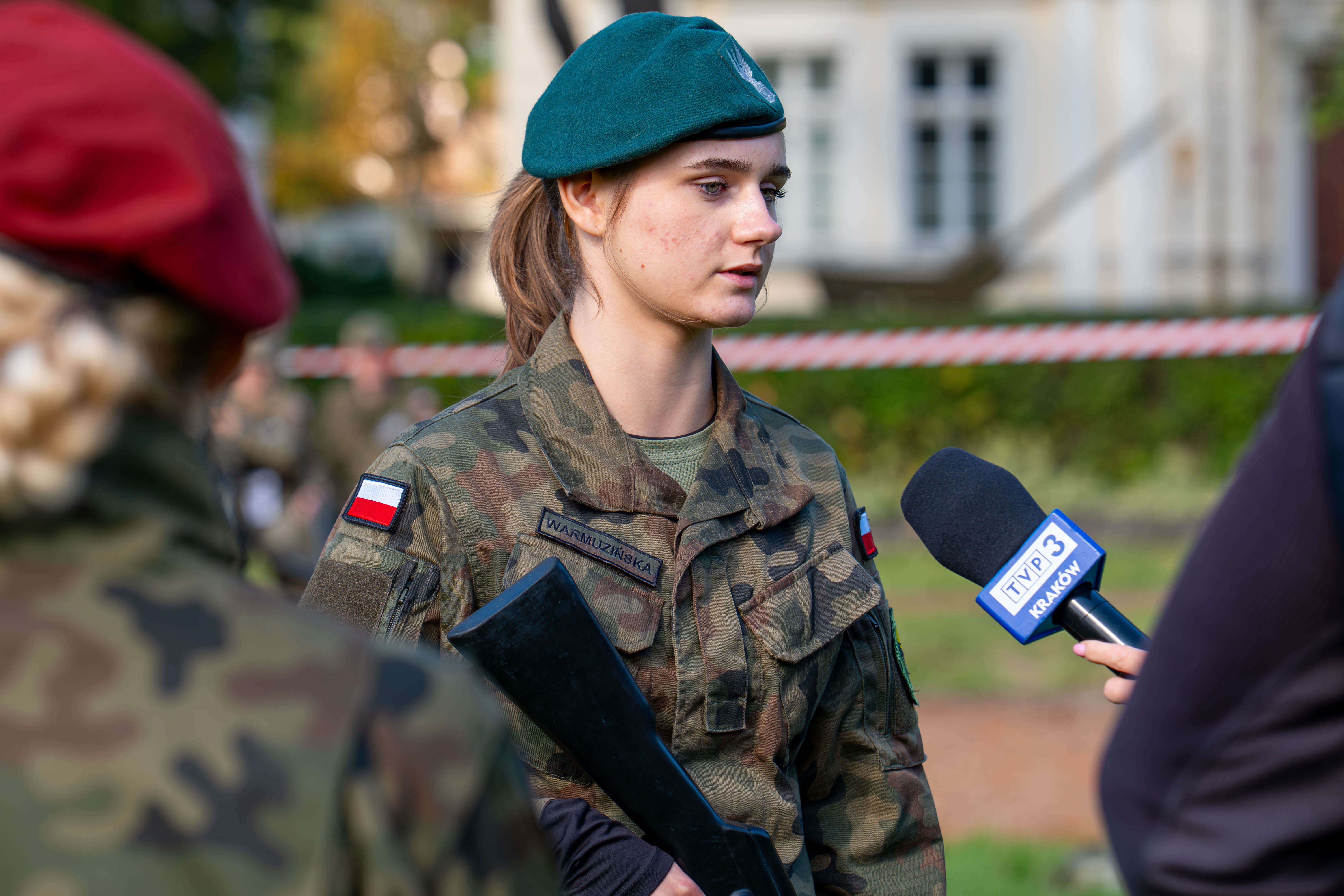
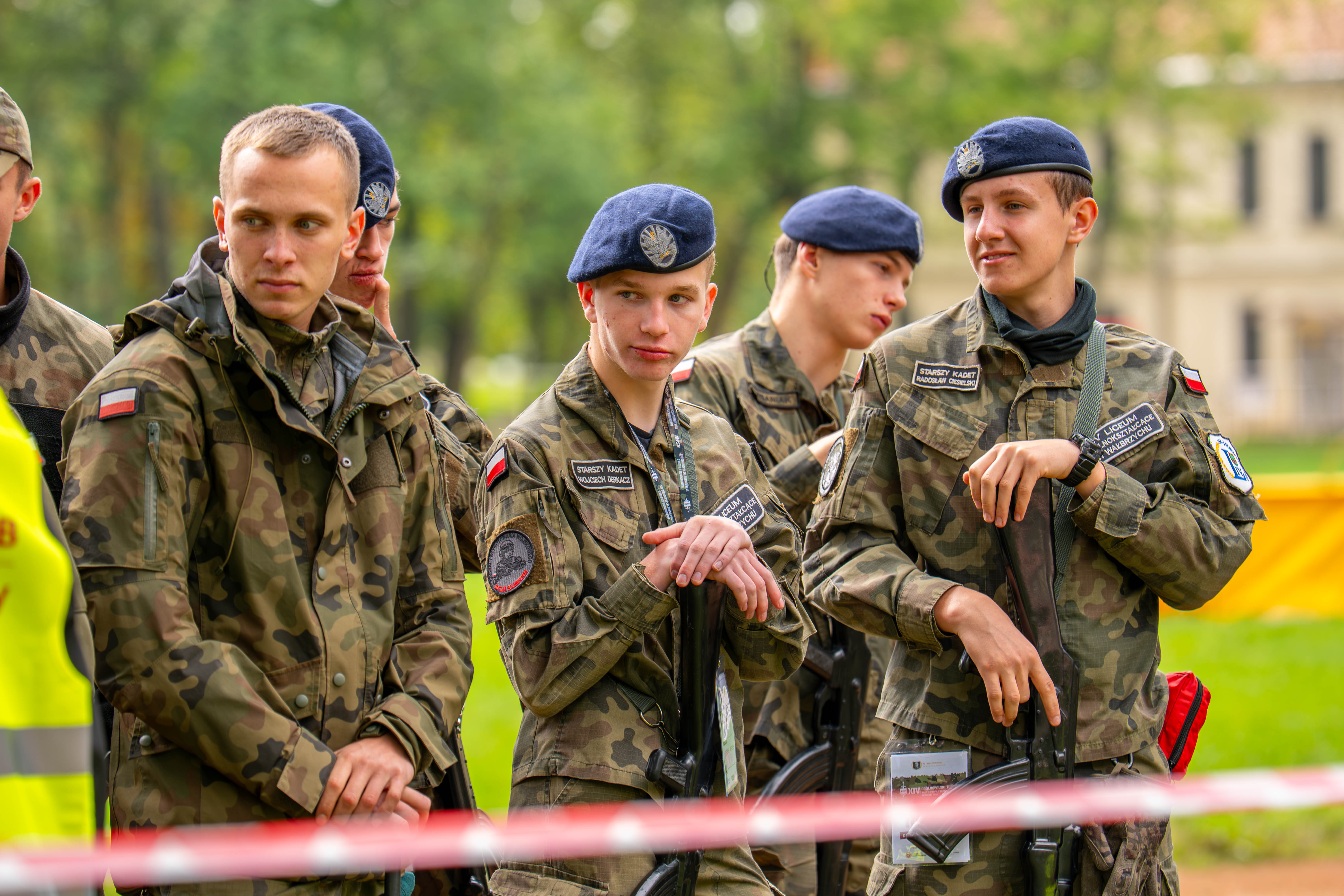
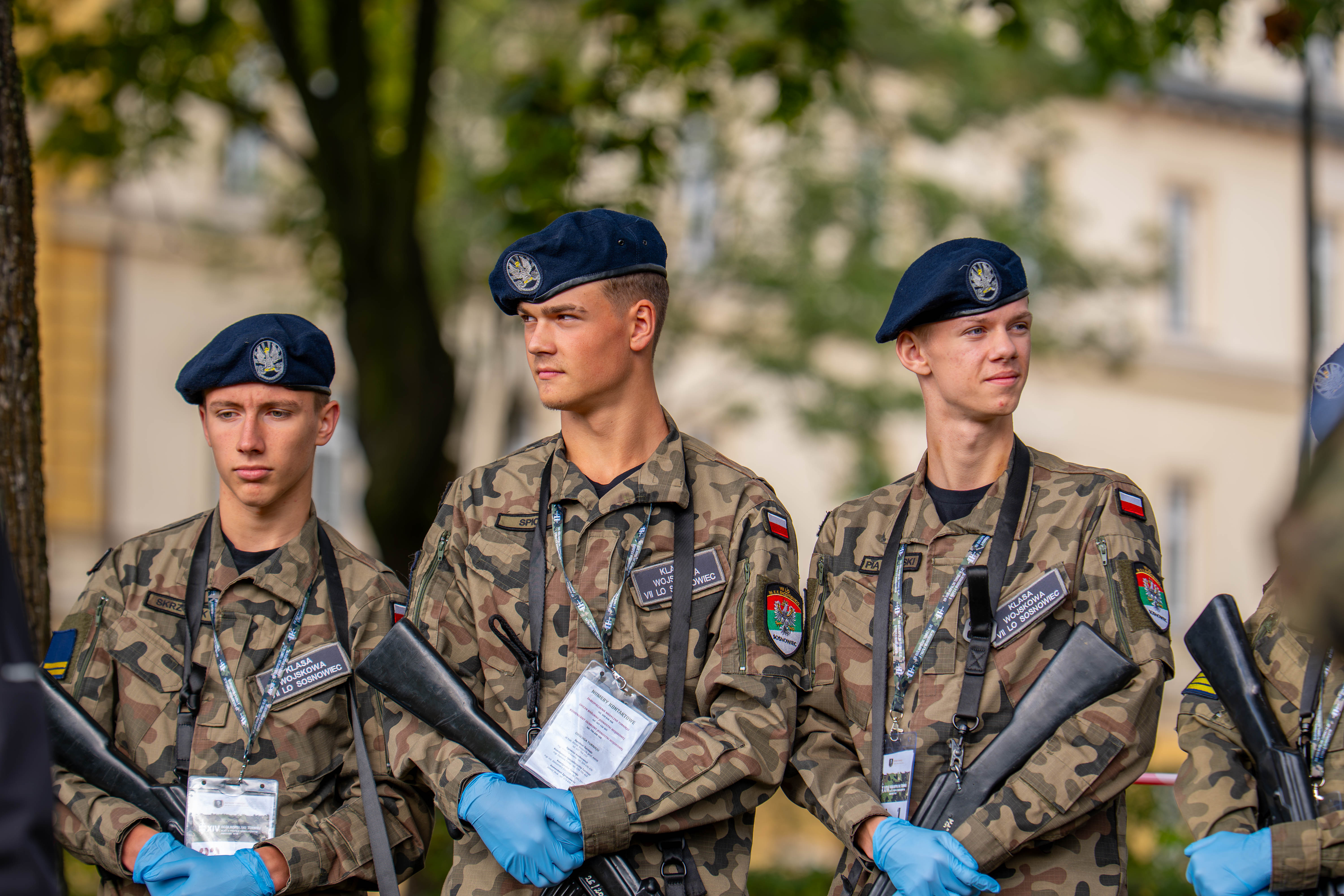
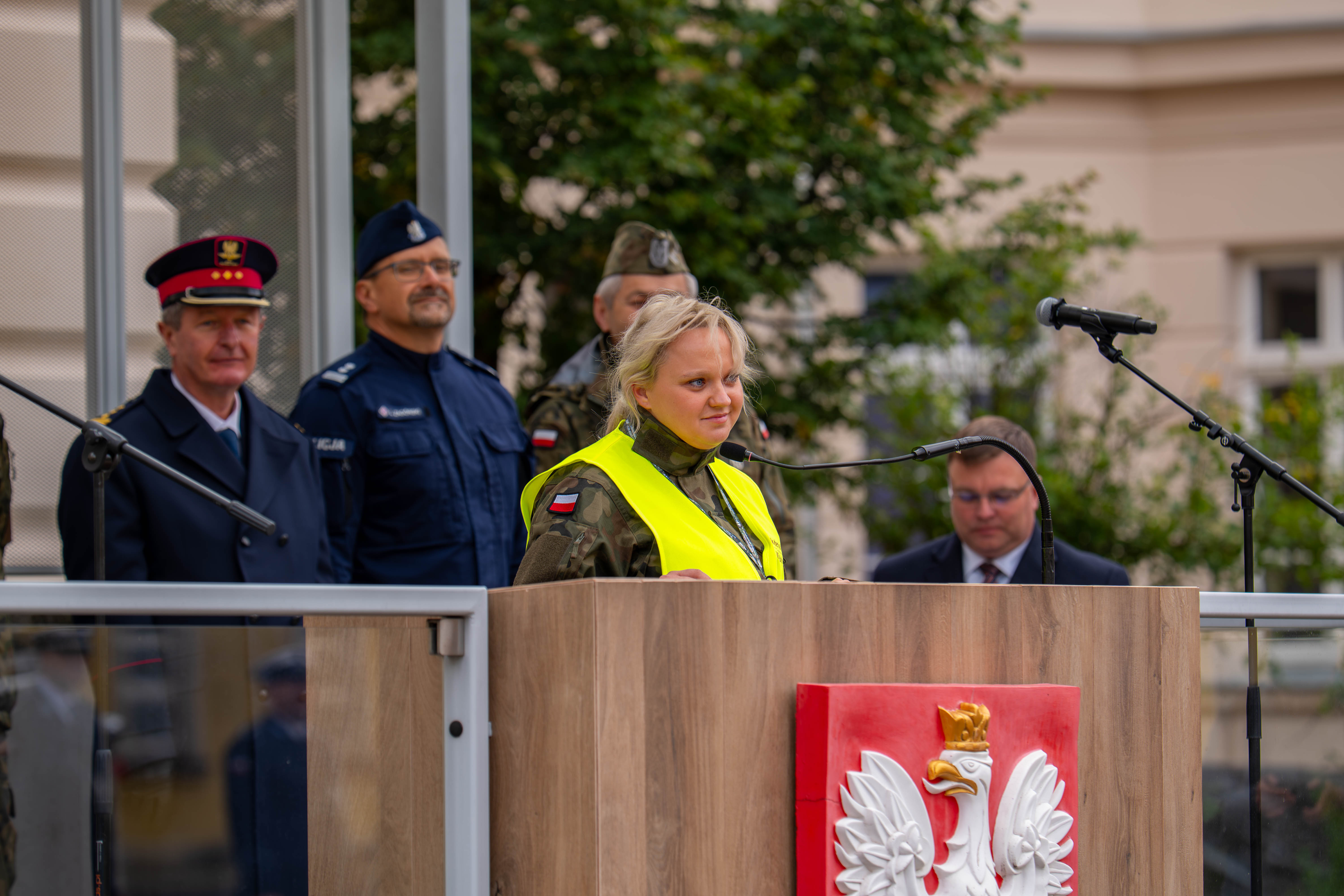
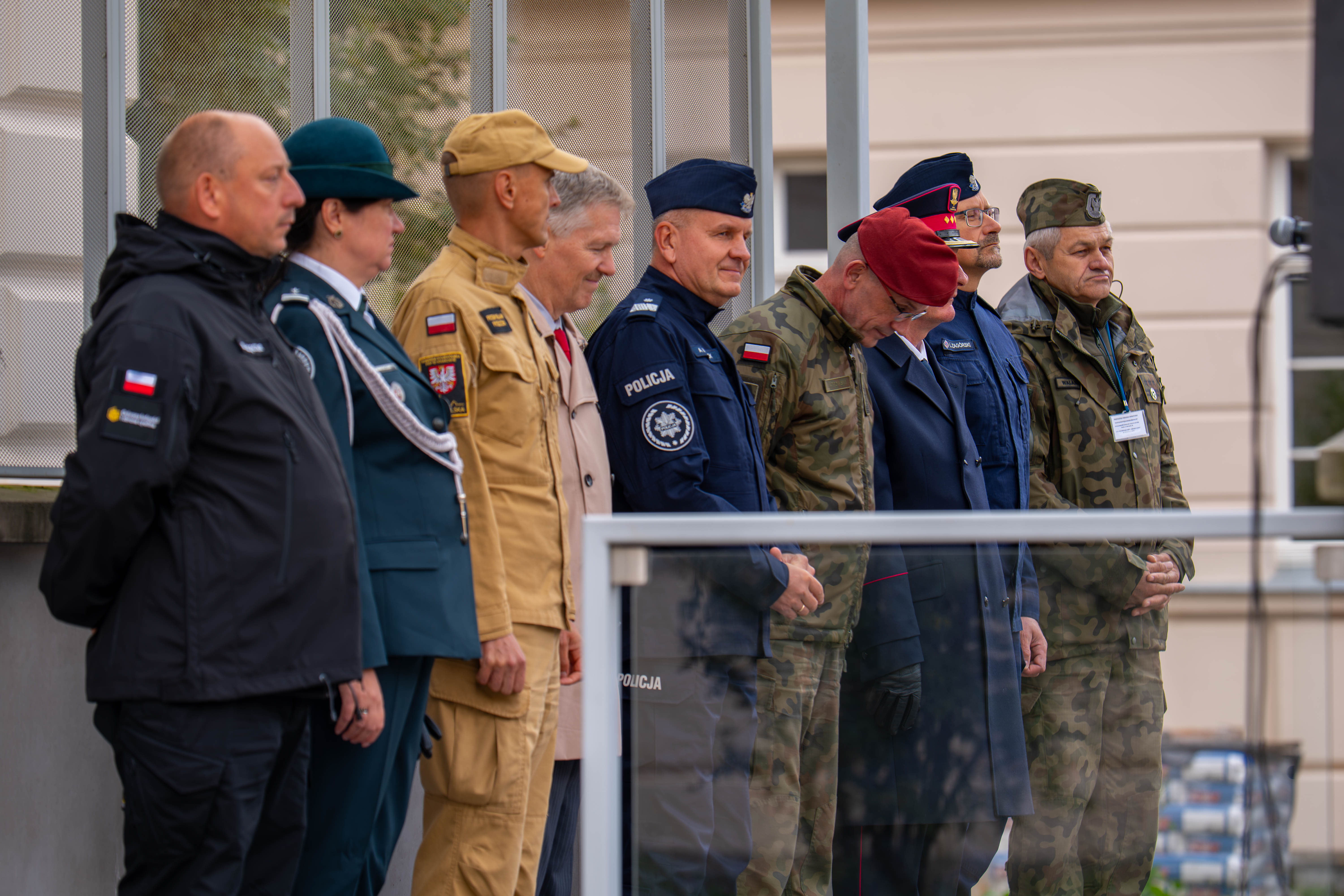
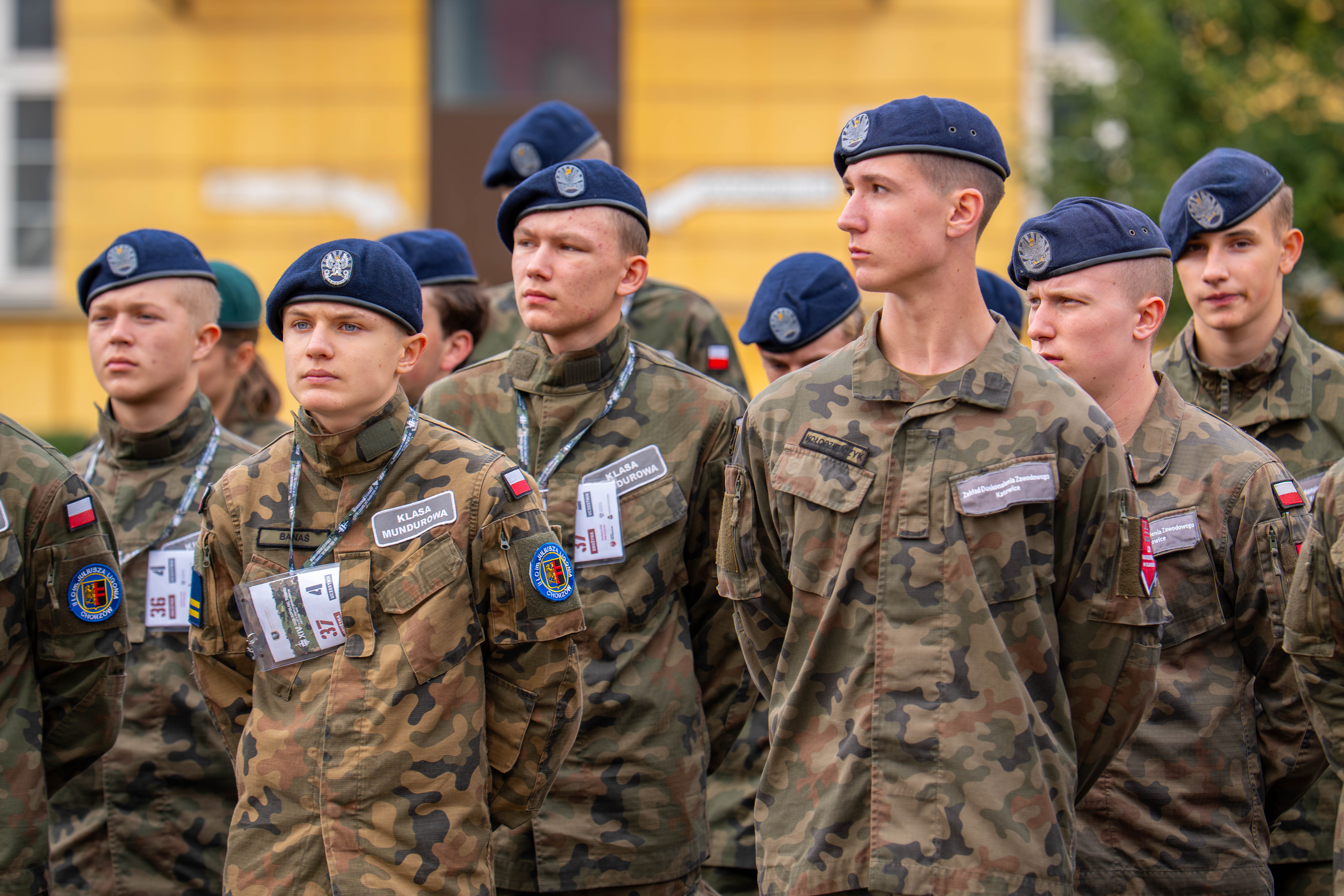
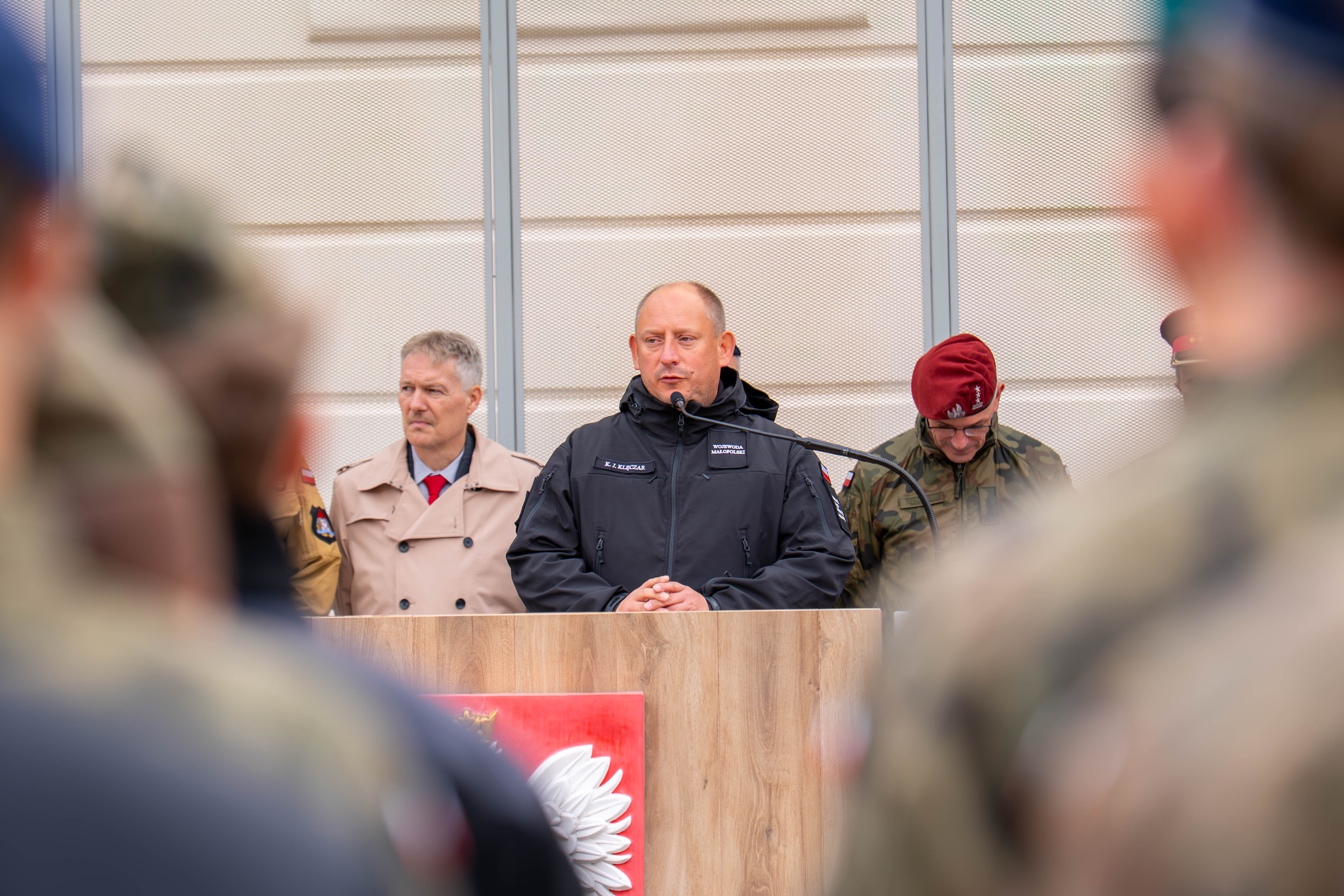
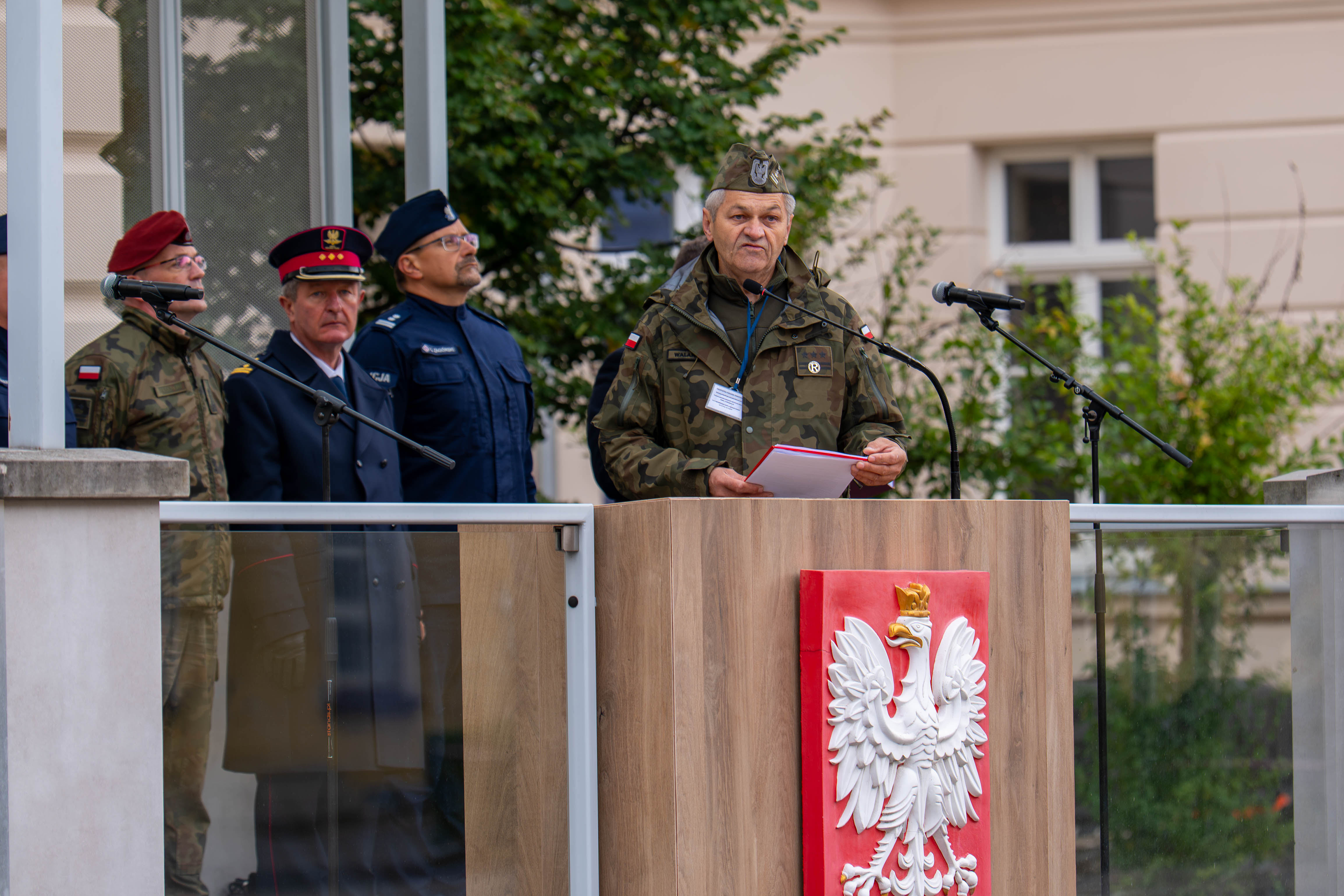
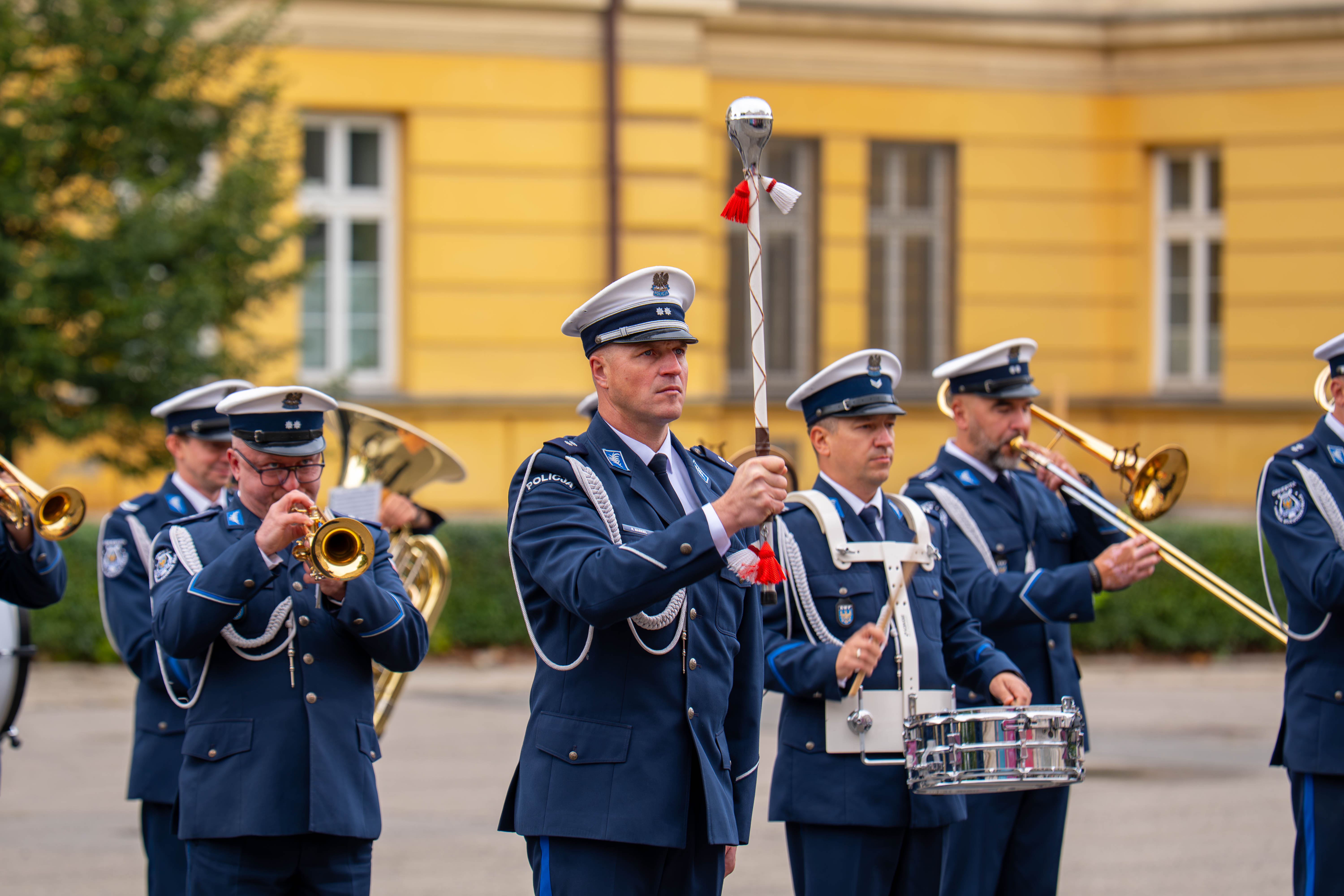
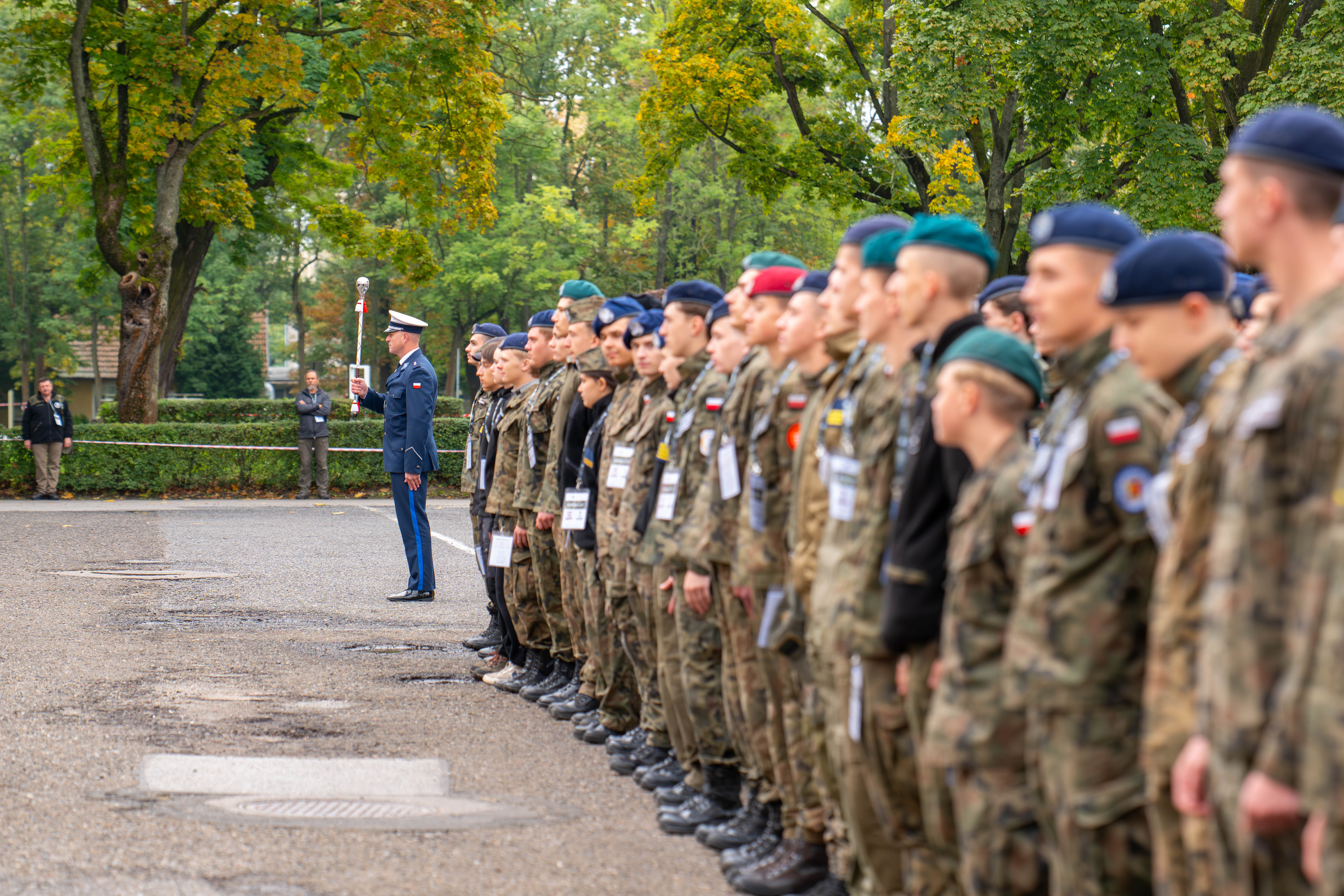
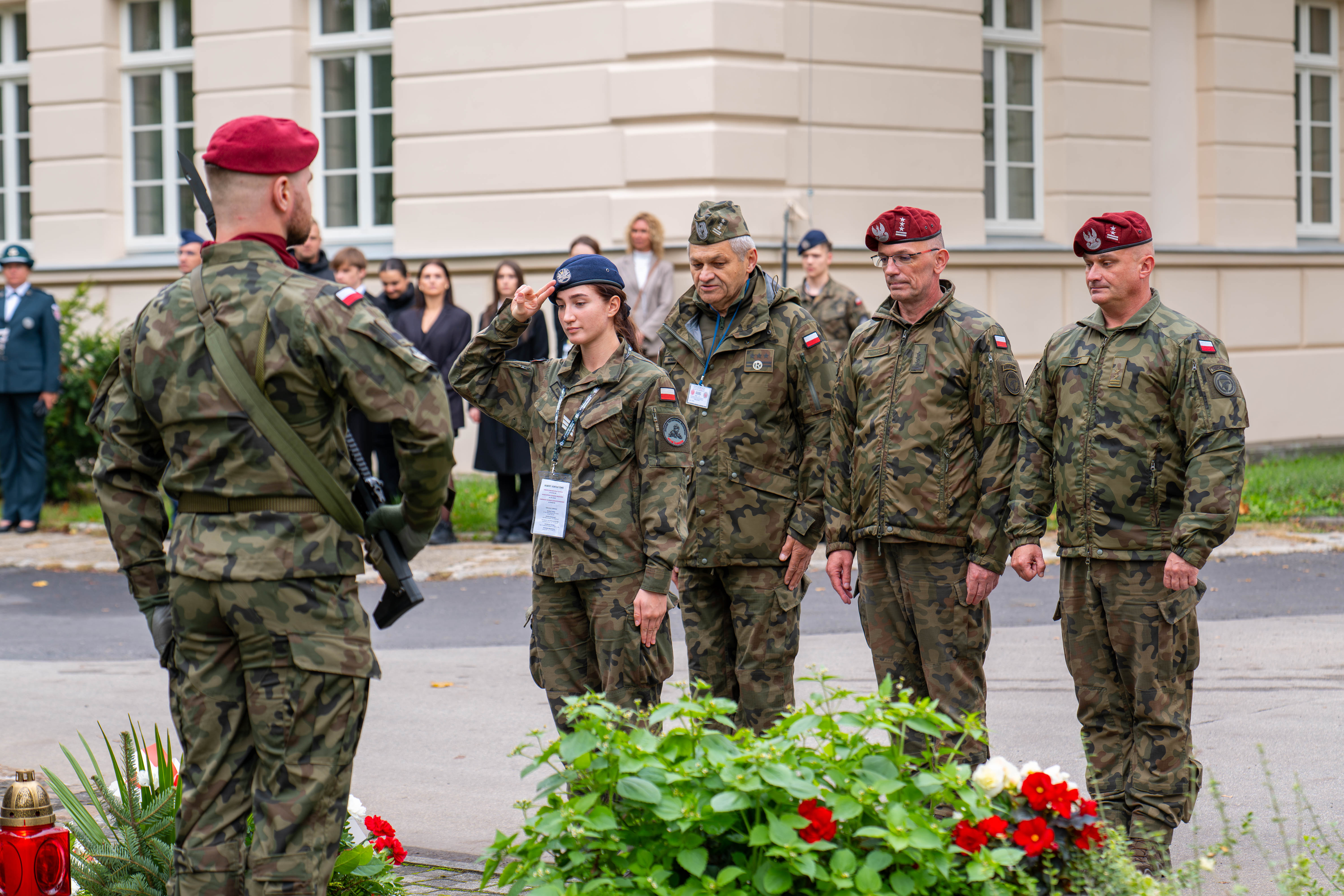
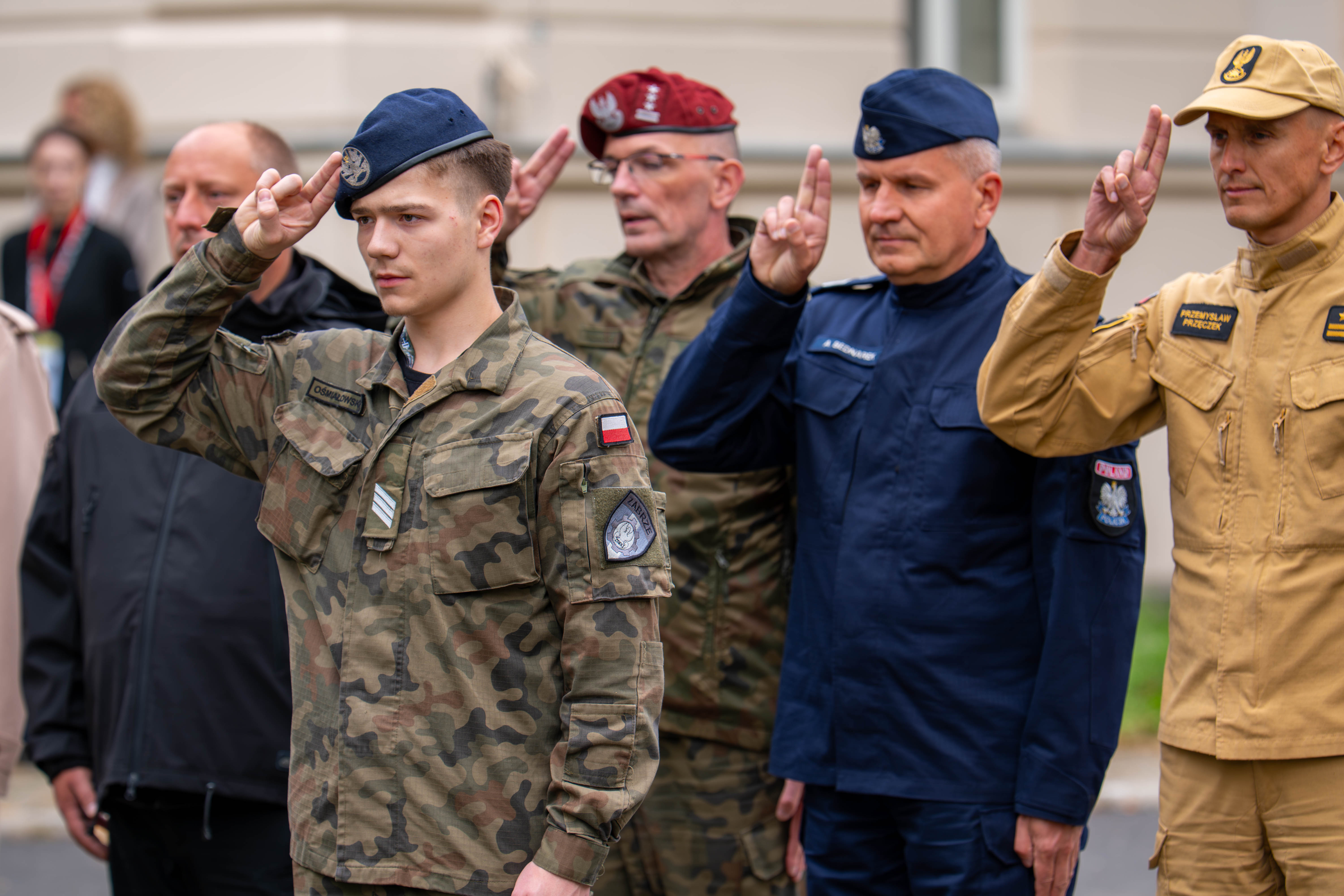
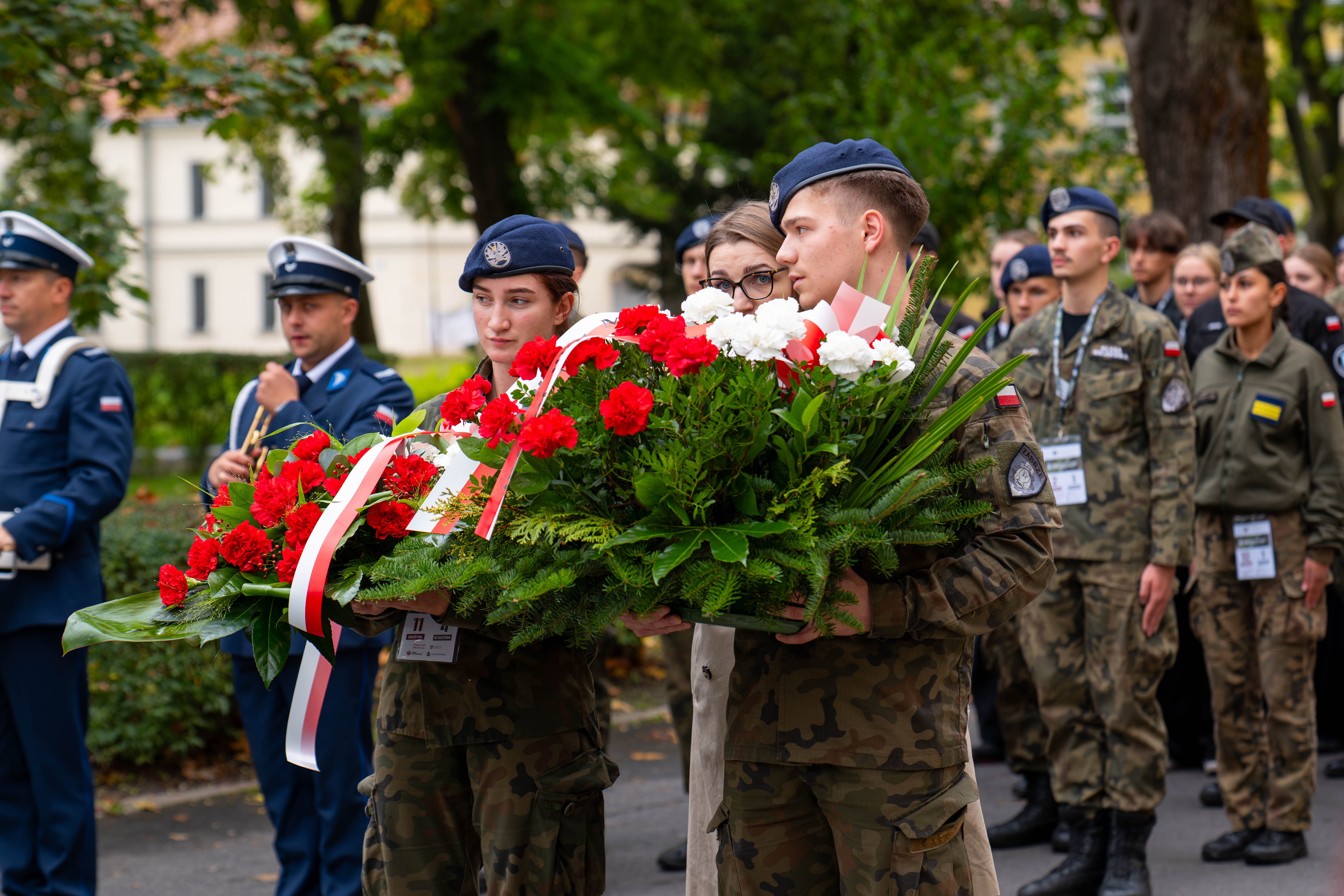
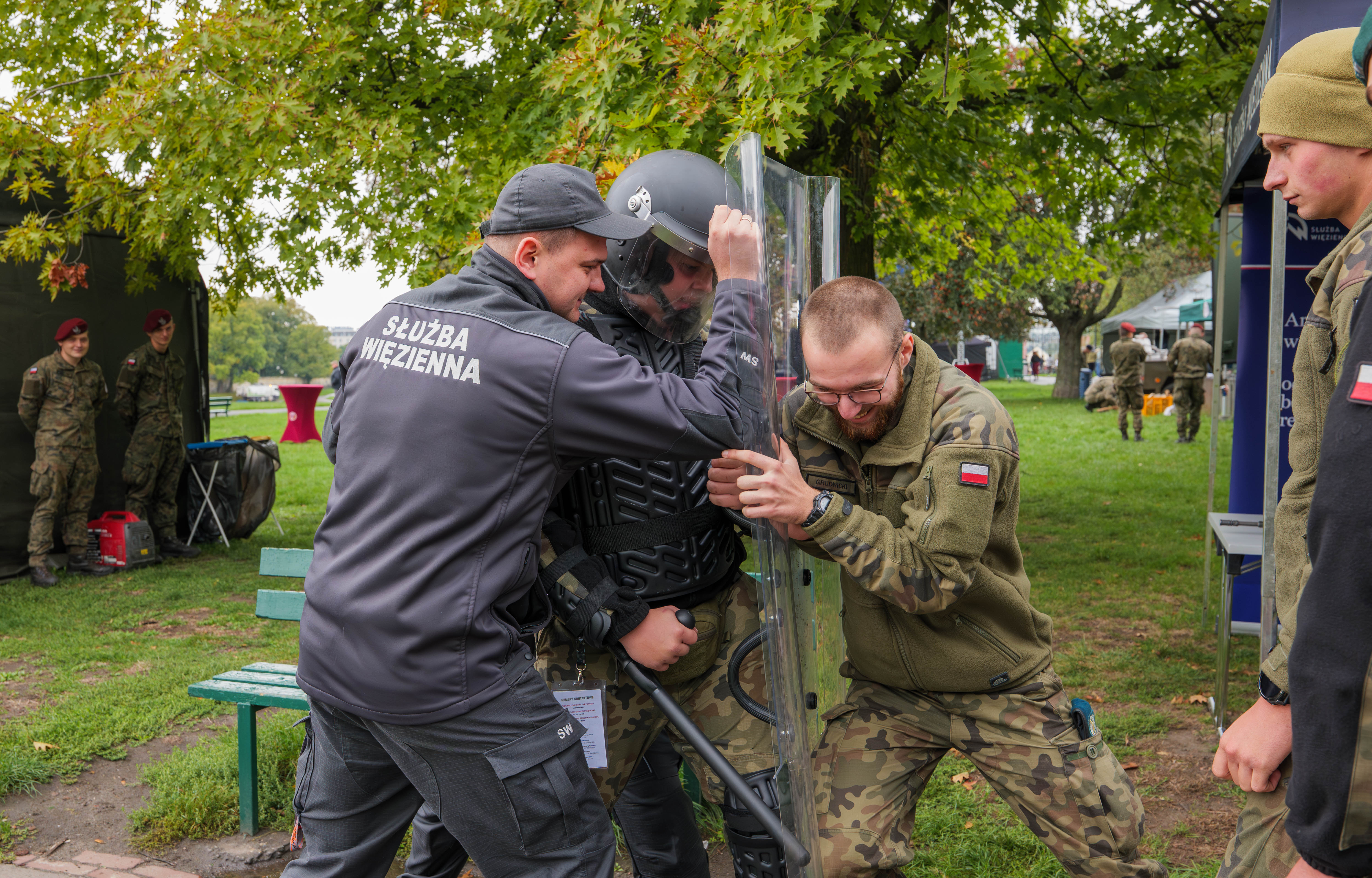
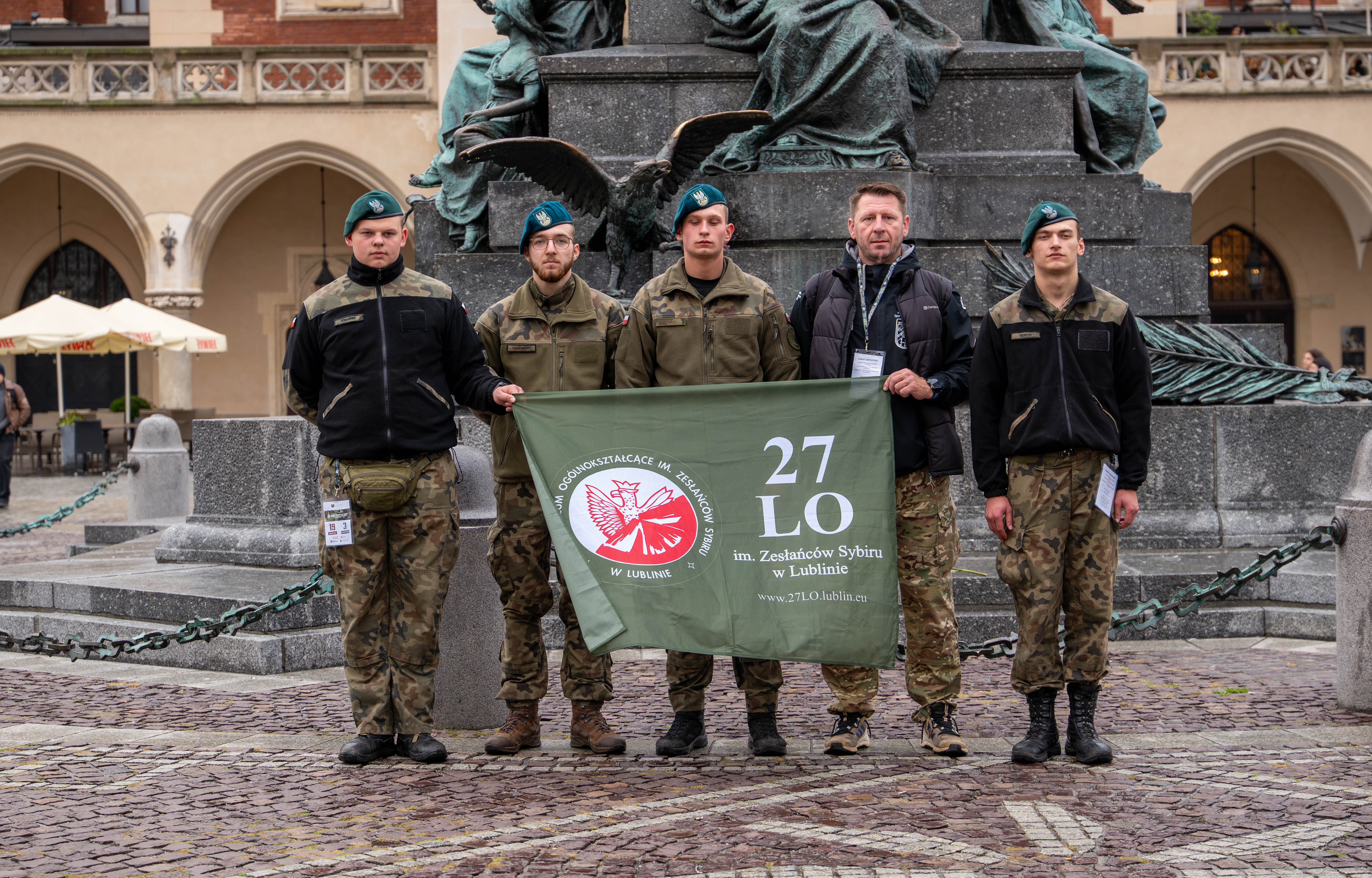
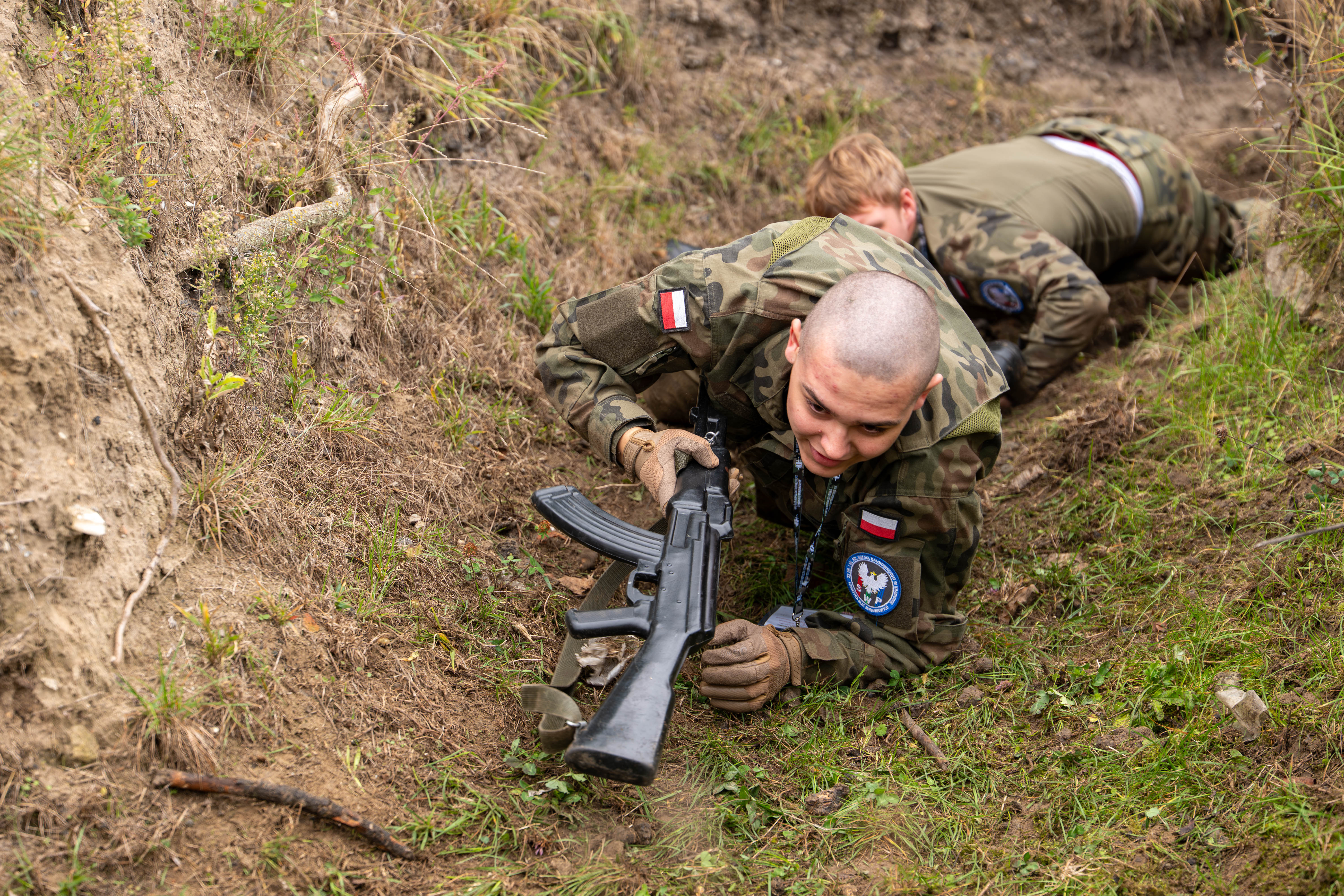
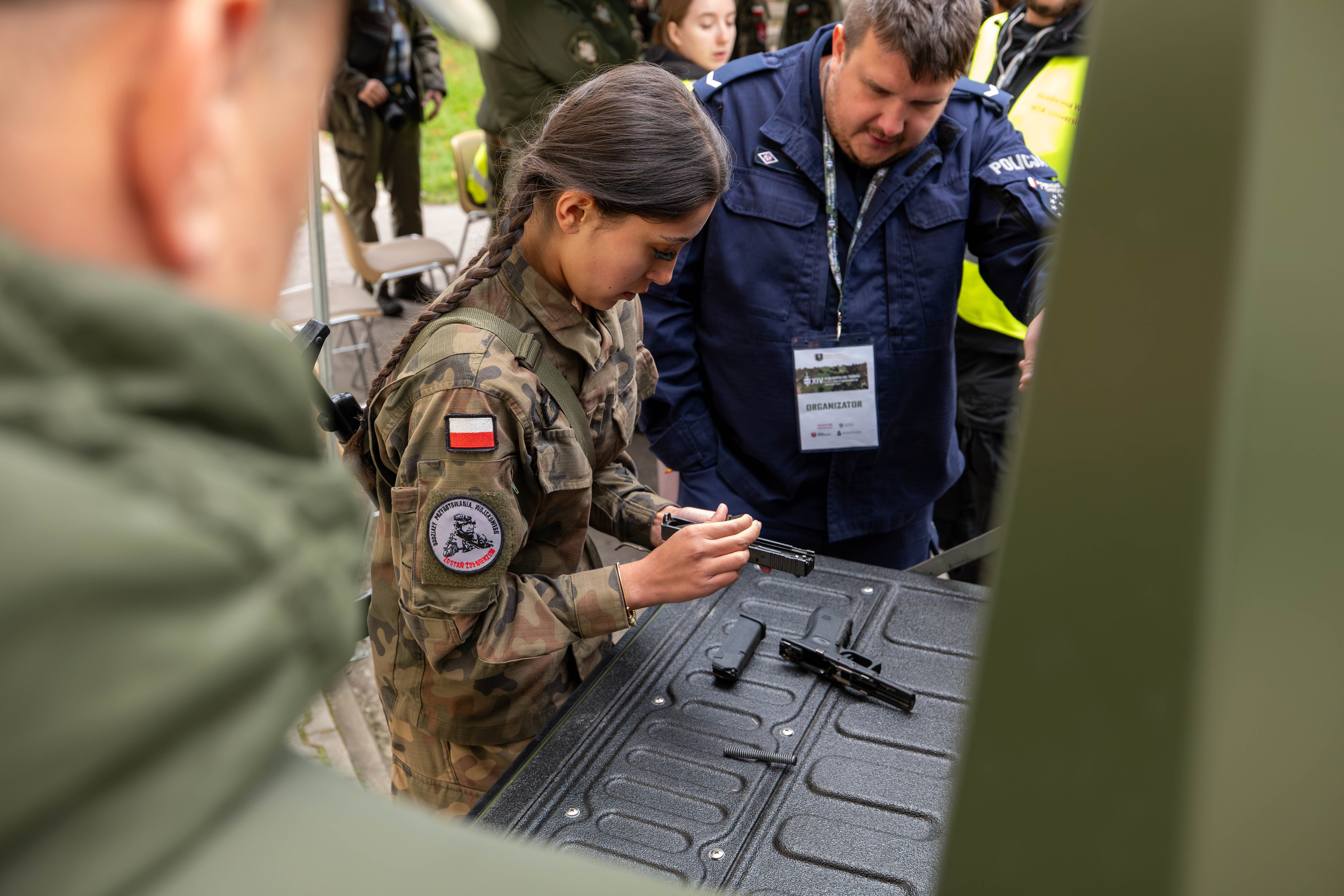
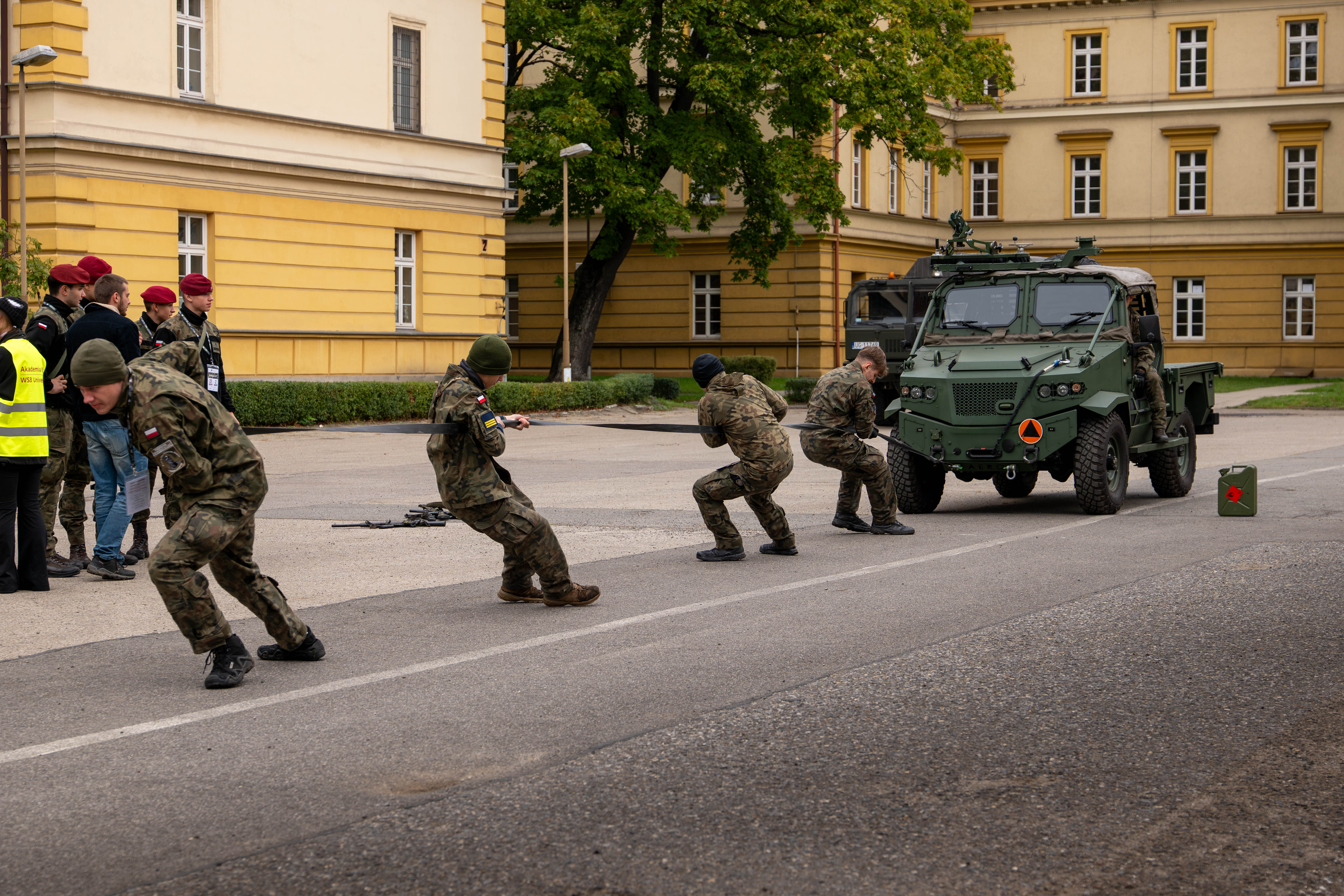
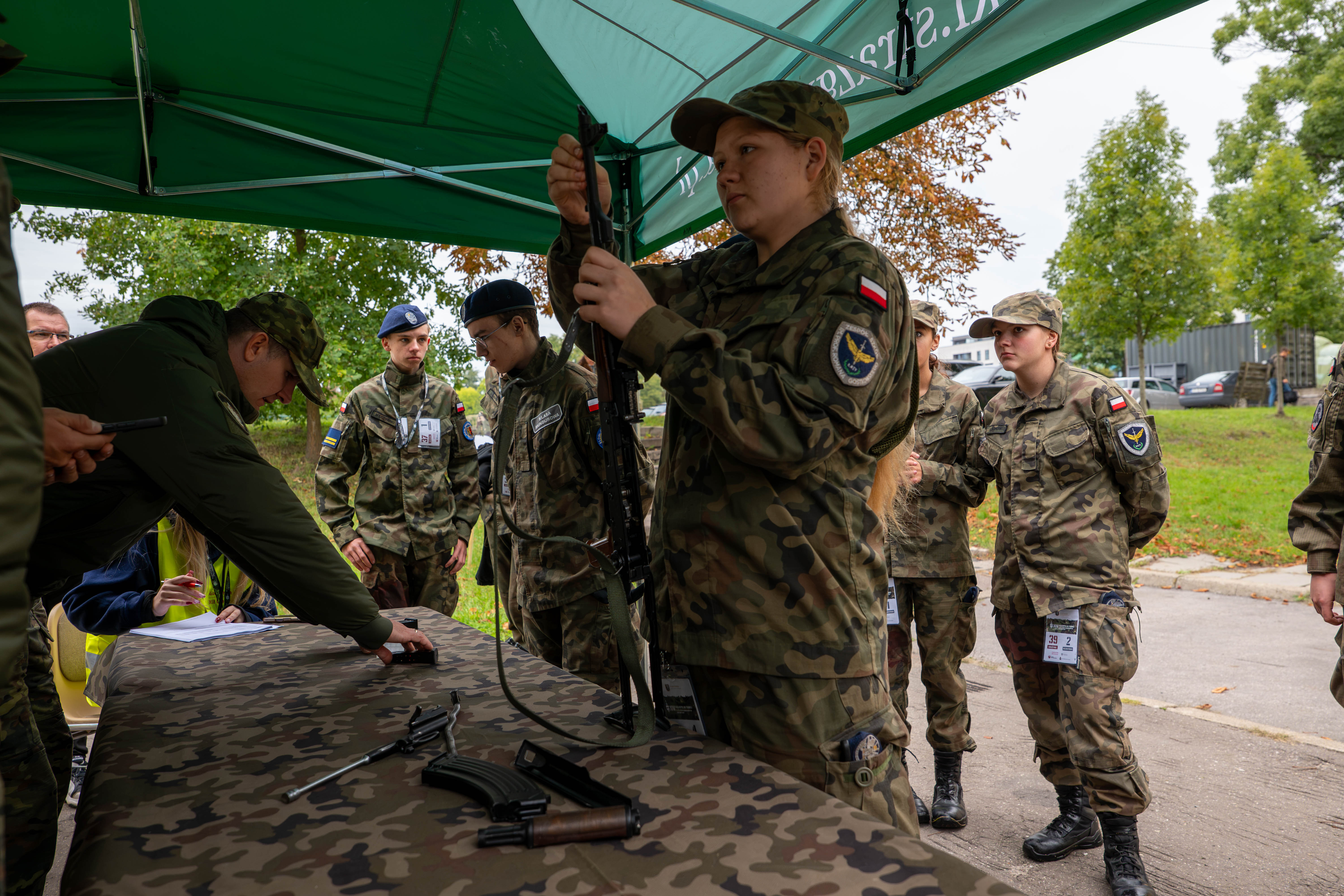
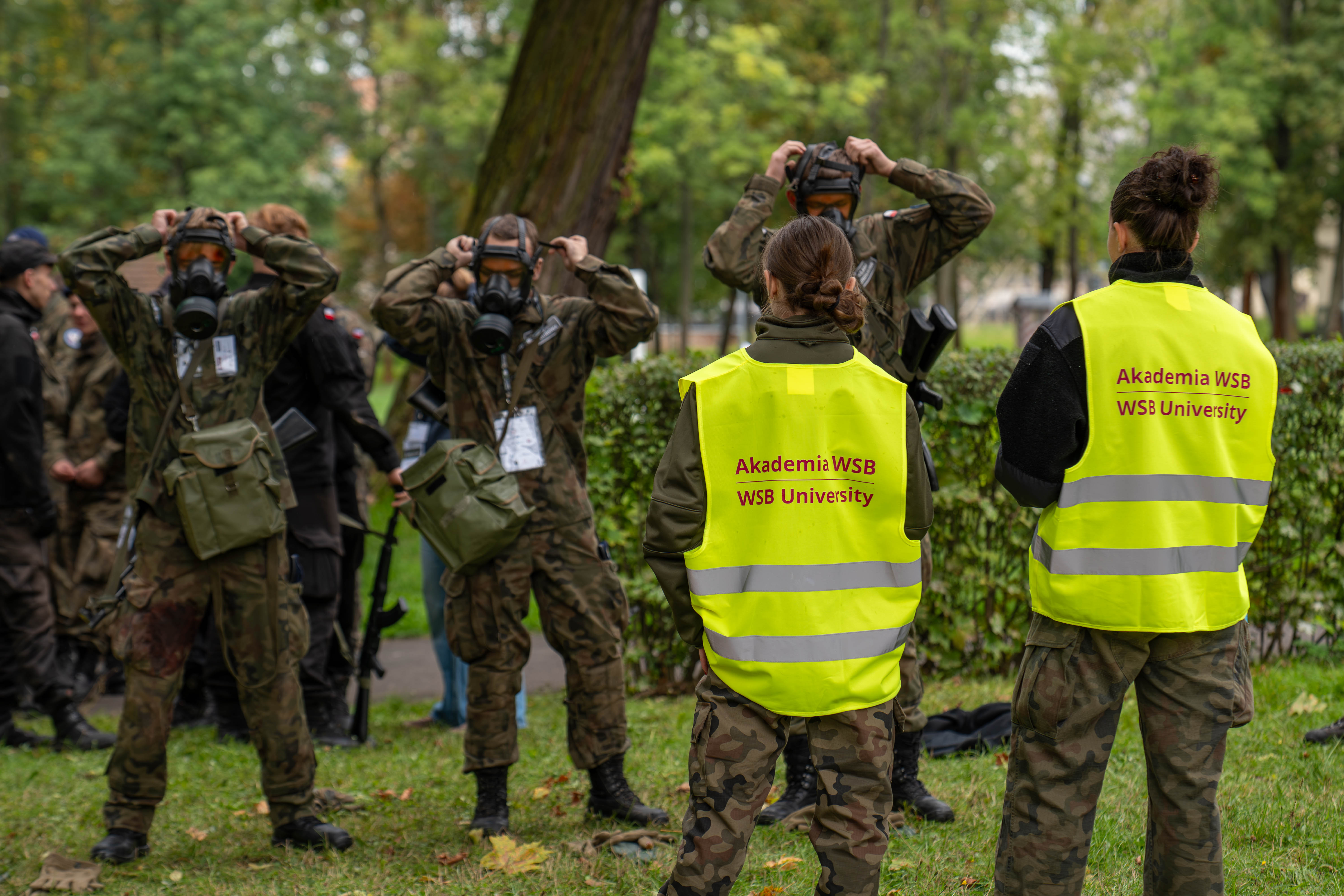
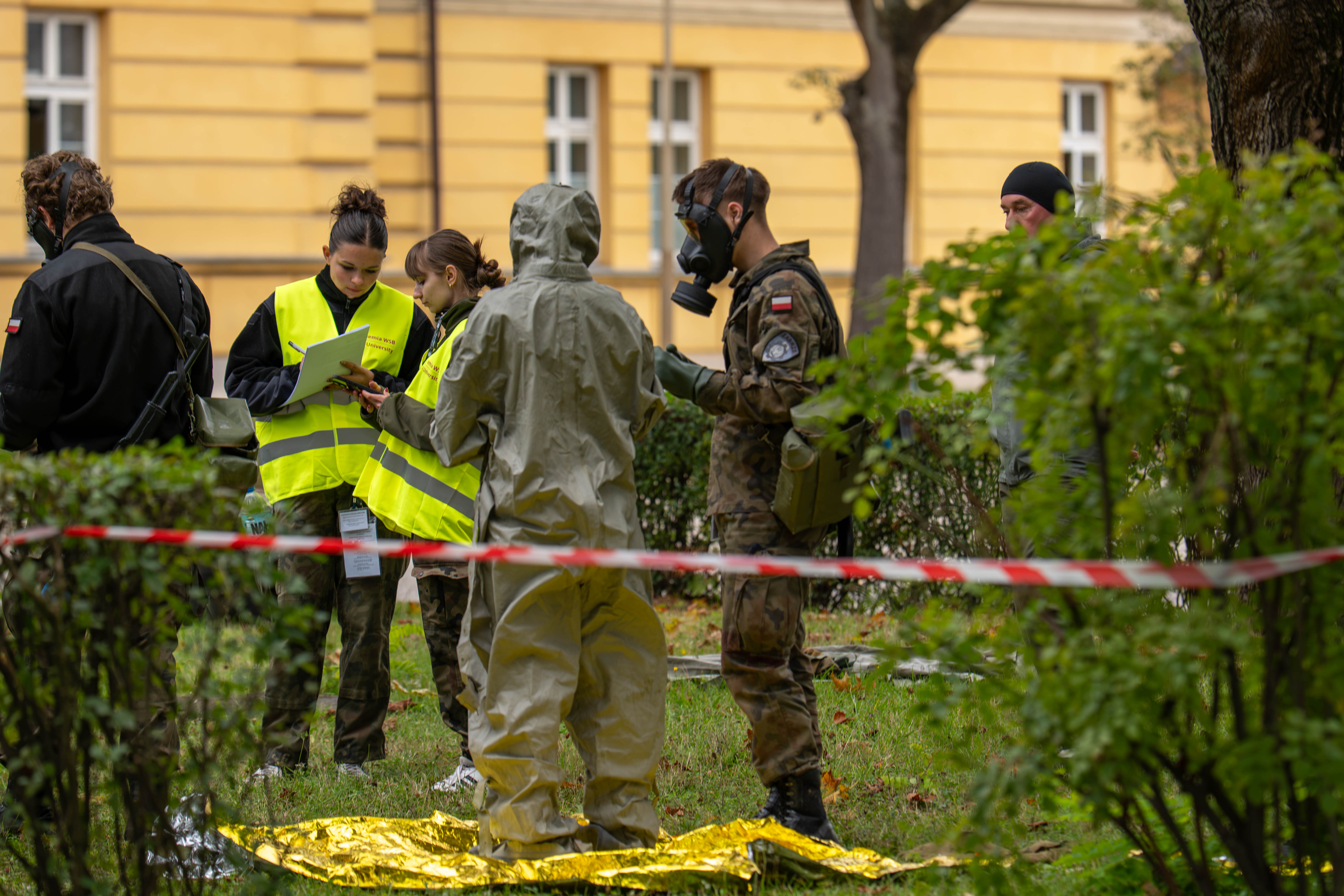
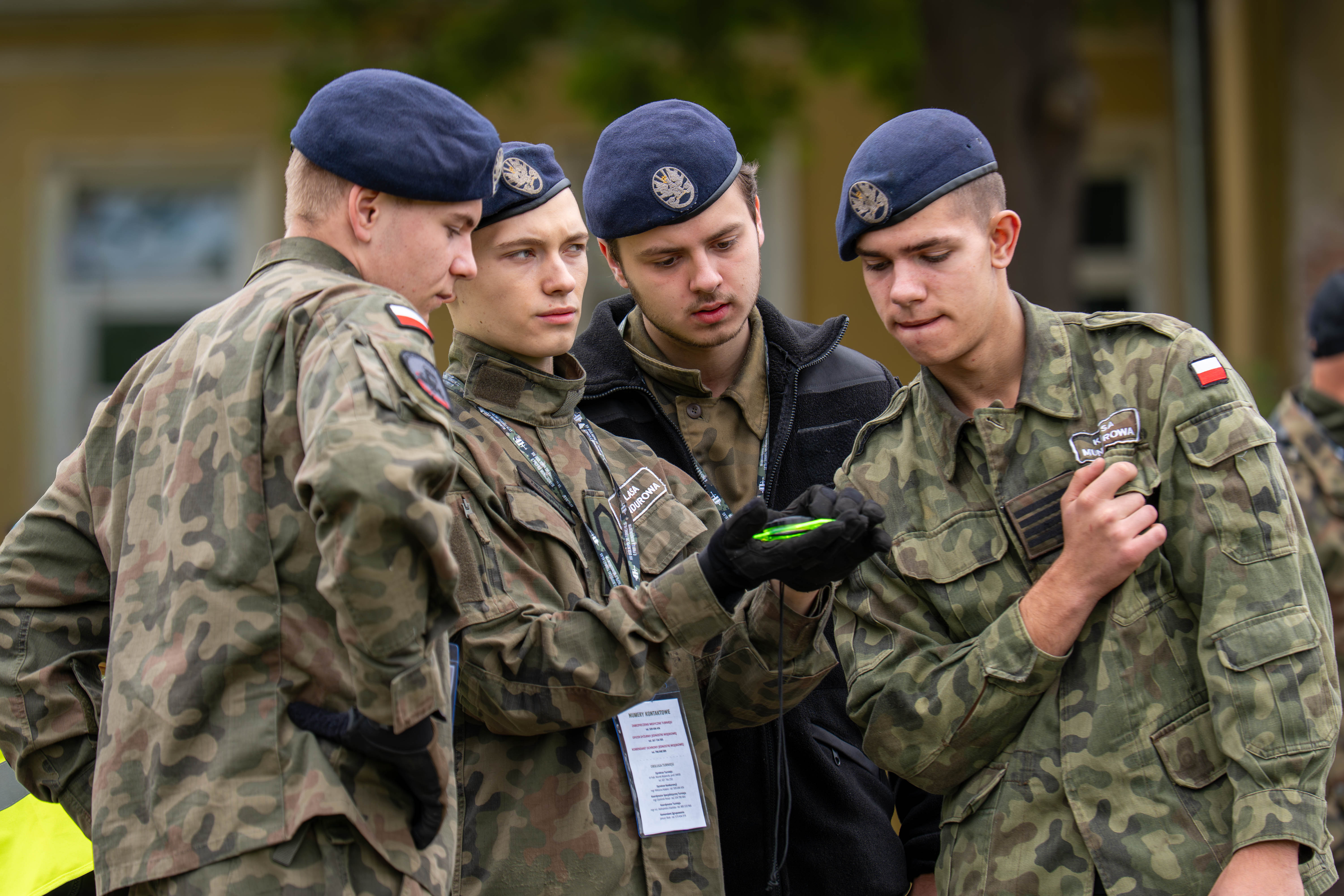
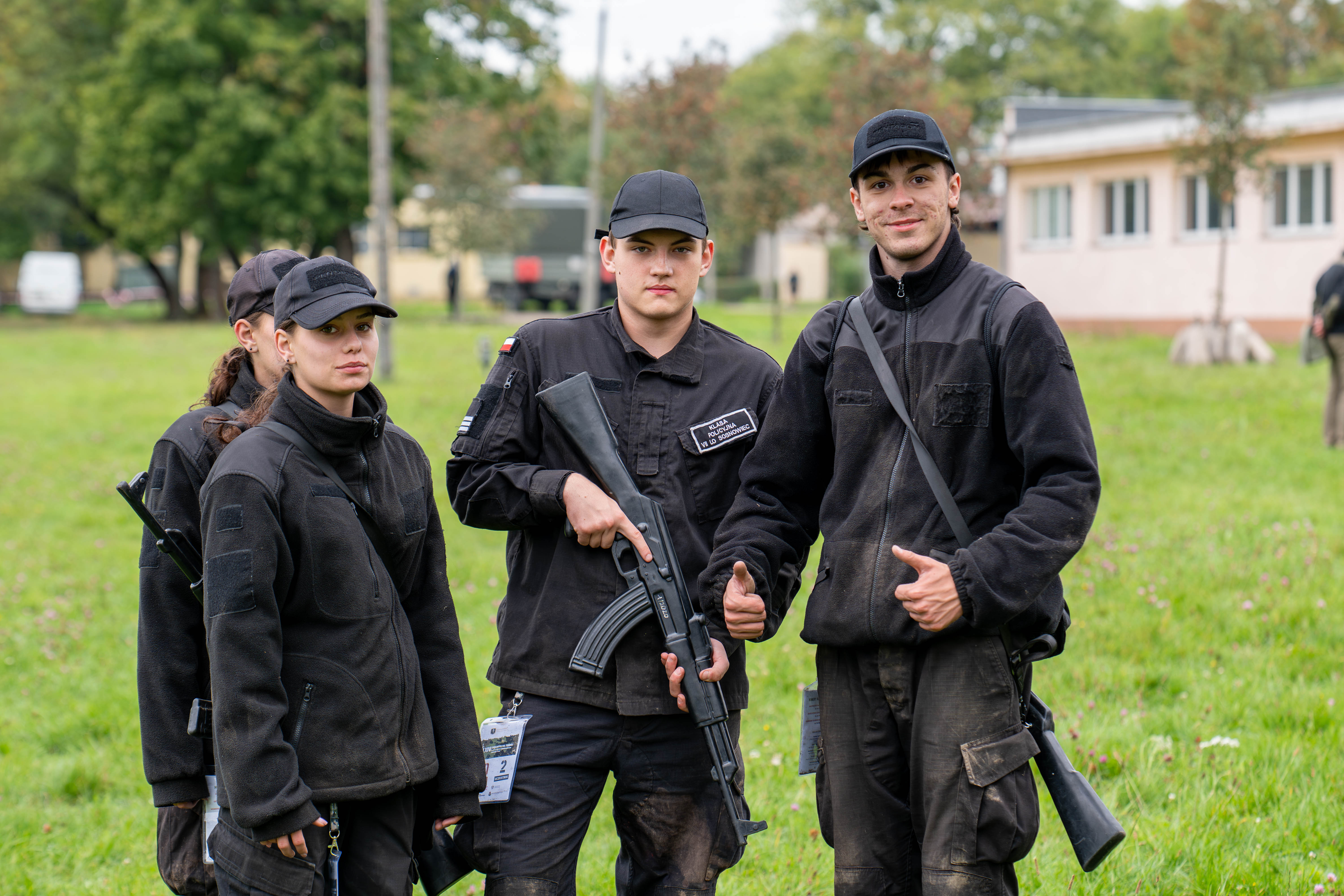
Participants competed in 18 events divided into five modules: the Armed Forces, the Police, Rescue Services, the State Fire Service, and the Border Guard. They pulled a military vehicle against the clock, crawled under obstacles, put on gas masks and protective suits, applied camouflage face paint, evacuated a casualty on a stretcher, controlled severe bleeding, collected and preserved fingerprint evidence, applied handcuffs, assembled firearms, and loaded magazines against the clock. They also took a theoretical knowledge test.
Many considered the firefighting obstacle course the most difficult event.
“It requires communication across the entire team, and it is very easy to incur penalty points,” one participant explained.
Professor Marek Walancik, who has been observing the tournament for years, draws attention to the cadets’ steadily improving results.
“Each event was preceded by instruction, but I can see that the participants’ skills are improving year on year. That is a promising sign. During their free time, I spoke to many cadets, and their dream is to join the military, to serve.”
Representatives of the services acknowledged that they see the participants as future soldiers and officers.
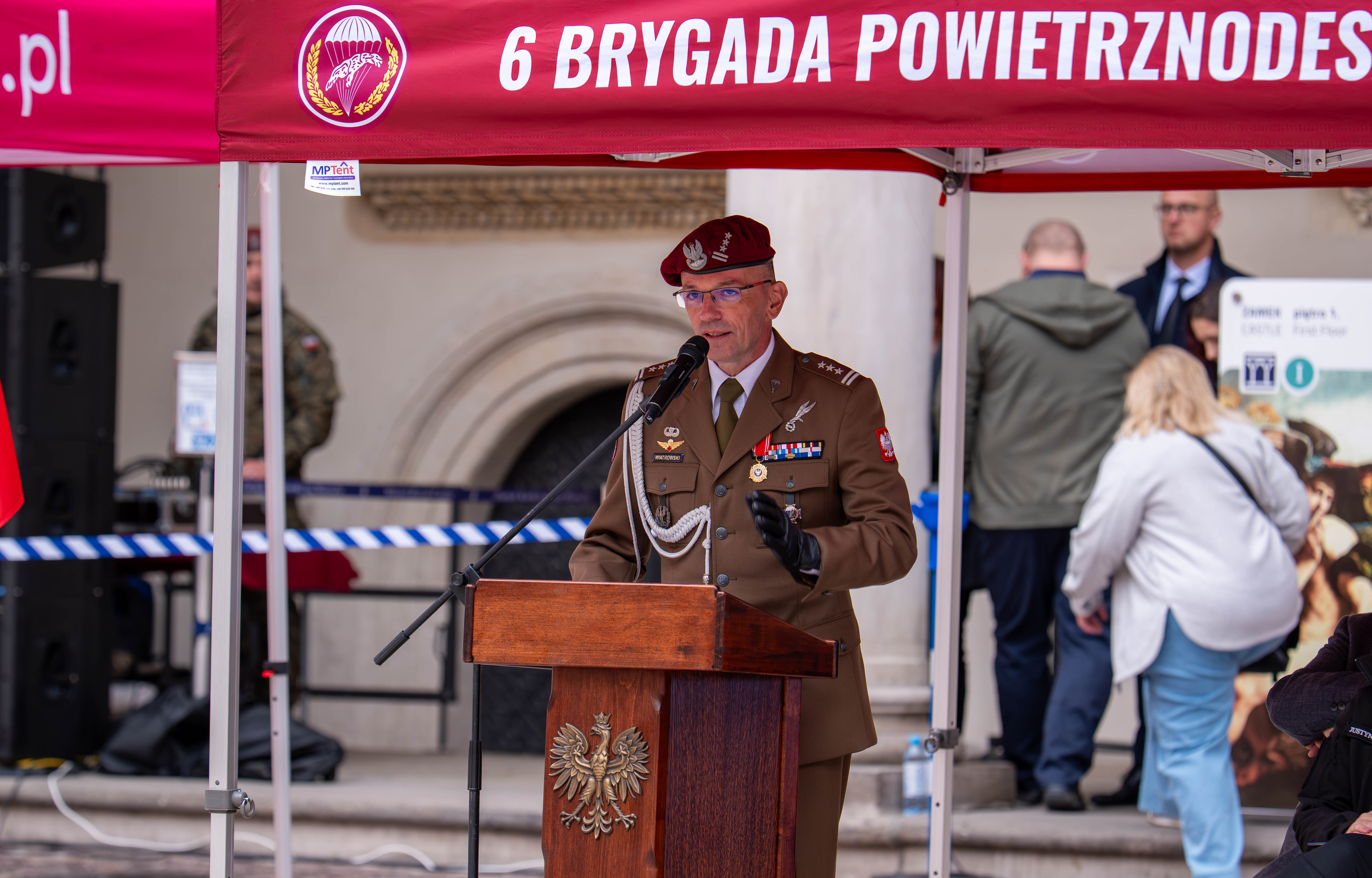
“Classes like these provide a first encounter with service, though not necessarily military service. They are a good starting point, showing young people what to aspire to. These young people are exceptional. They are people who want to do a little more than the average person their age,” emphasised Colonel Artur Wiatrowski, Deputy Commander of the 6th Airborne Brigade.
14th National Tournament for Uniformed-Service Classes – Day 2 Photo Report
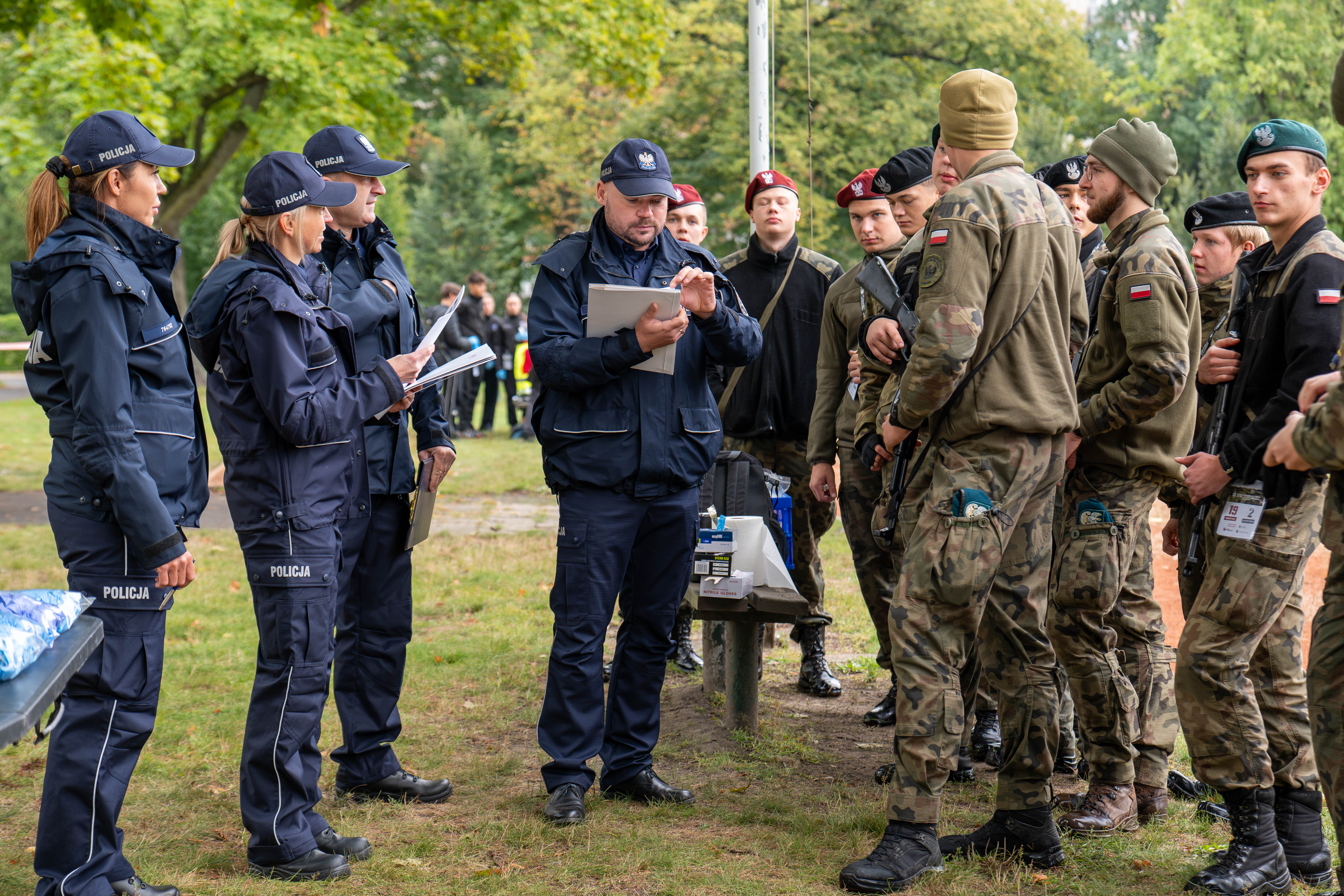
Sub-Inspector Łukasz Czyż, Head of the Presidium Department at the Provincial Police Headquarters in Kraków, pointed out that attending a uniformed-service class can now genuinely shorten the route into service.
“We live in uncertain times, and every opportunity for training in security matters has the approval of the Police. New regulations governing the Police and the Border Guard allow students from uniformed-service classes to be admitted through a somewhat shorter recruitment process,” he explained.
The Voivode of Małopolska, Krzysztof Jan Klęczar, PhD, Eng., also highlighted the state’s emerging staffing needs.
“Our services, as well as the Civil Defence Corps currently being formed, will need specialists. People who have not only knowledge but, above all, the heart to serve their homeland.”
During the opening assembly, he added: “The true value of this contest lies not solely in the results, but above all in respect for opponents, responsibility for the team, and the ability to act together in situations requiring rapid decision-making.”
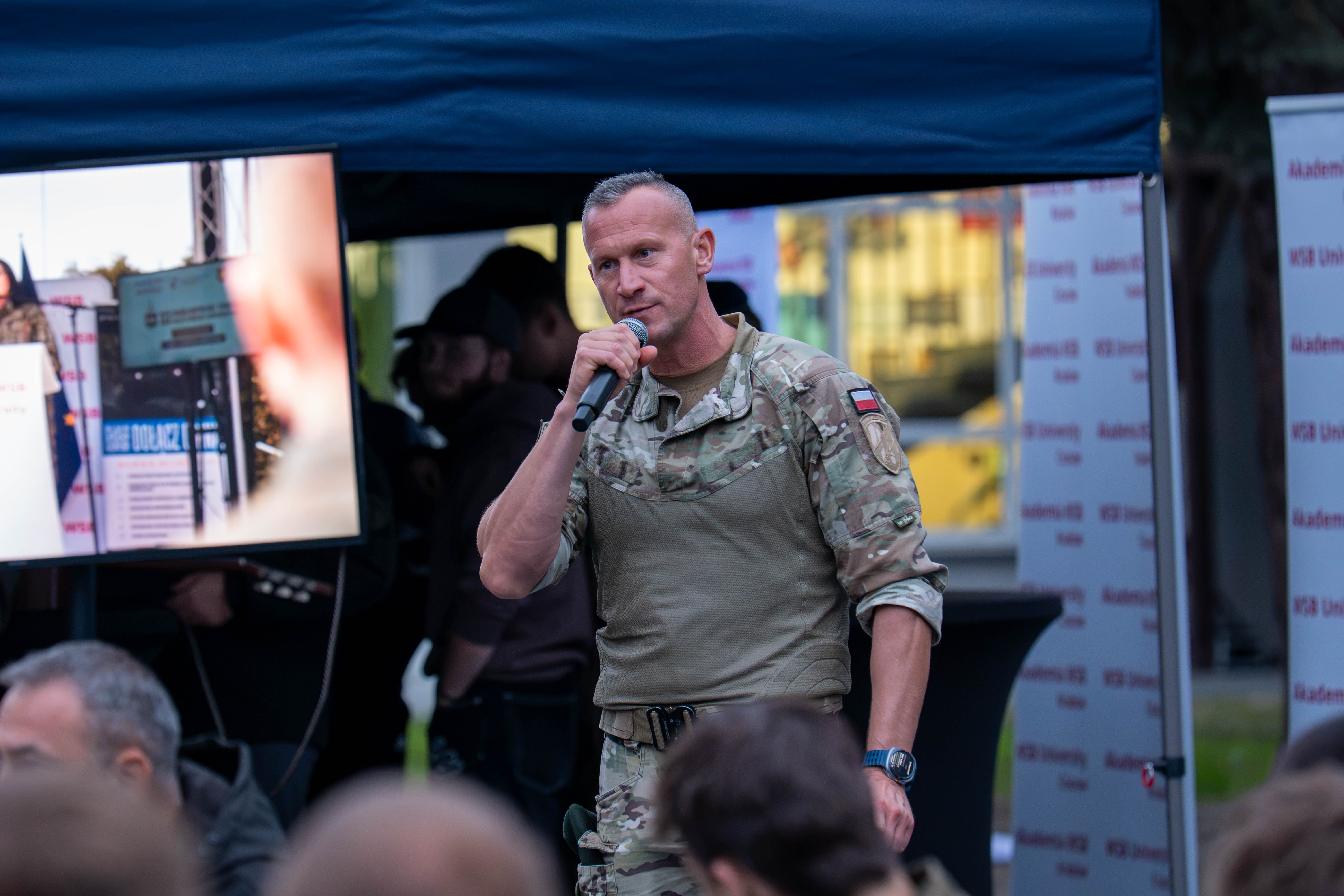
Lieutenant Colonel Mariusz Łapeta, spokesperson for the Special Forces Component, spoke to the cadets about what service is really like. “We want to spark these young people’s interest and show them the opportunities for a future career in uniform, whether as a police officer, a firefighter, or a special forces soldier. I am a serving soldier, I have first-hand information, and I try to pass it on.”
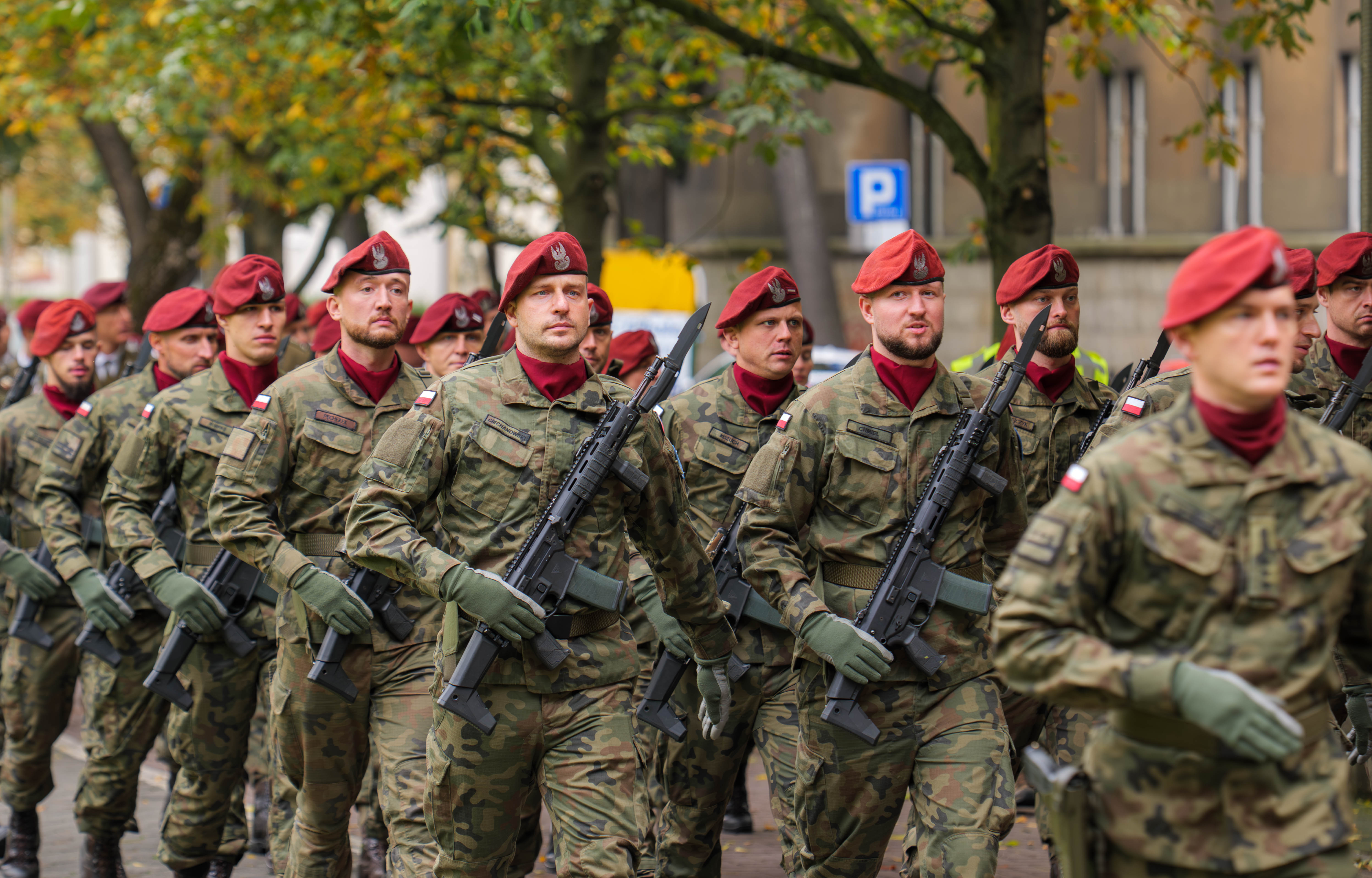
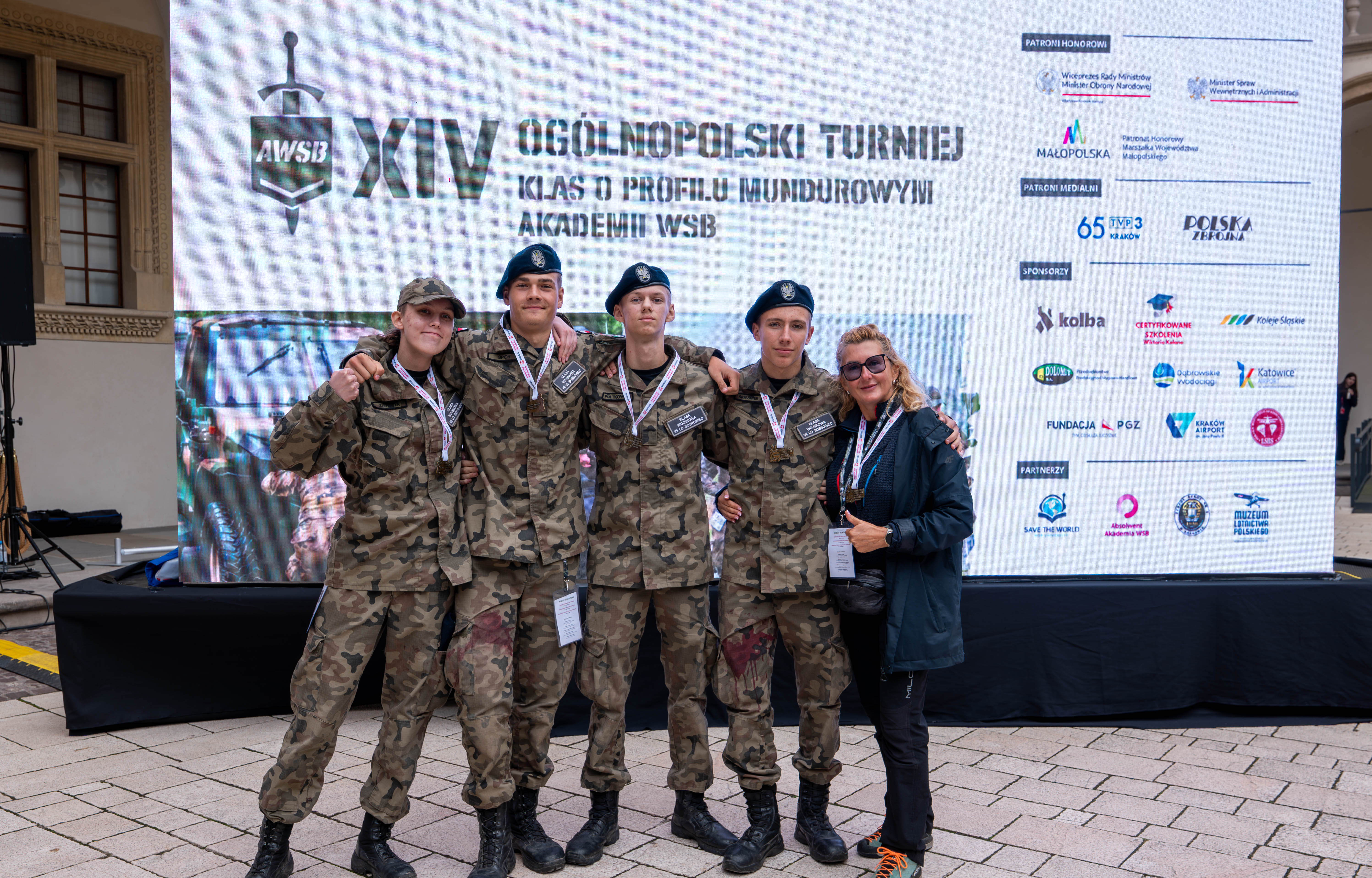
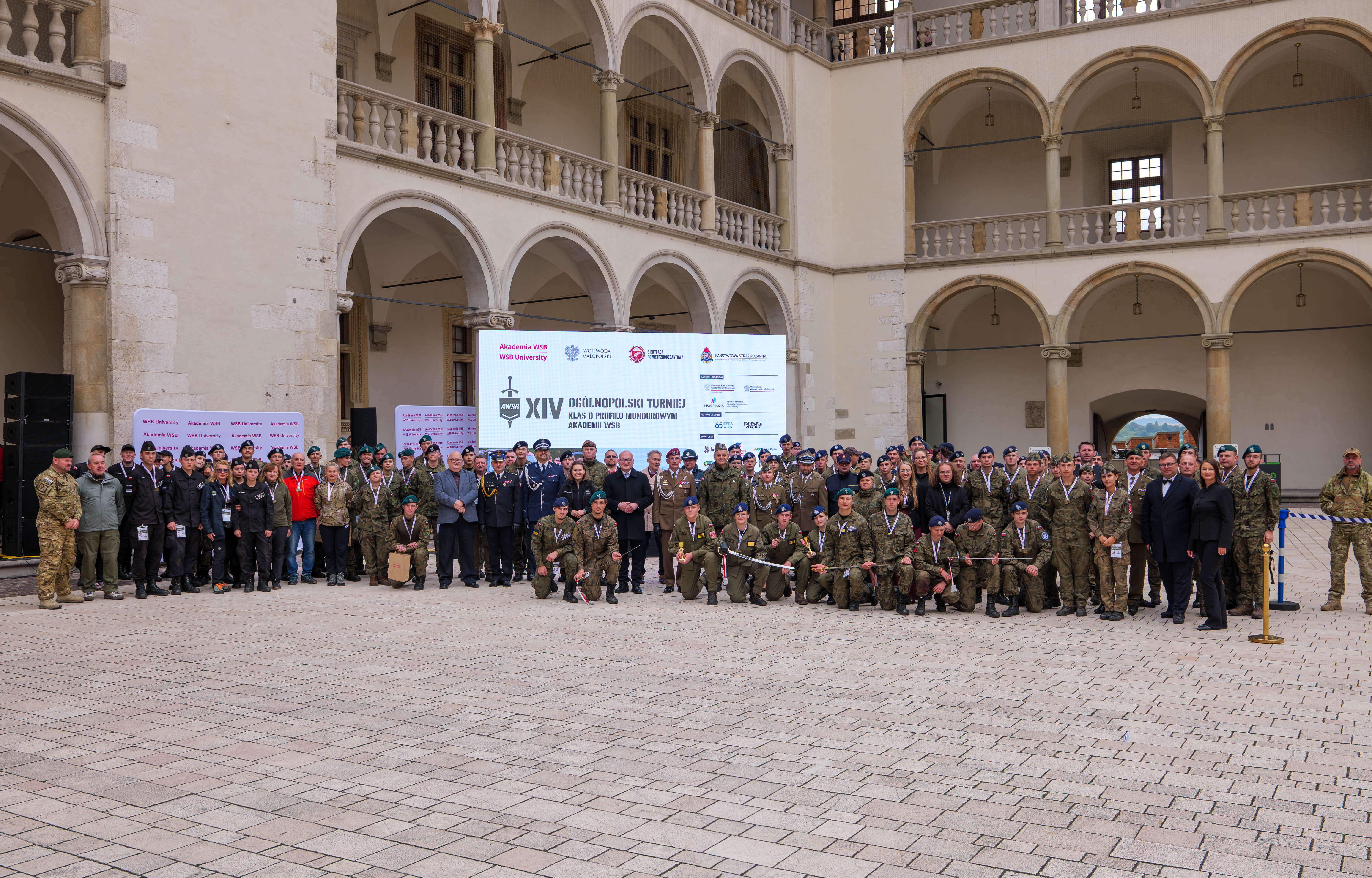
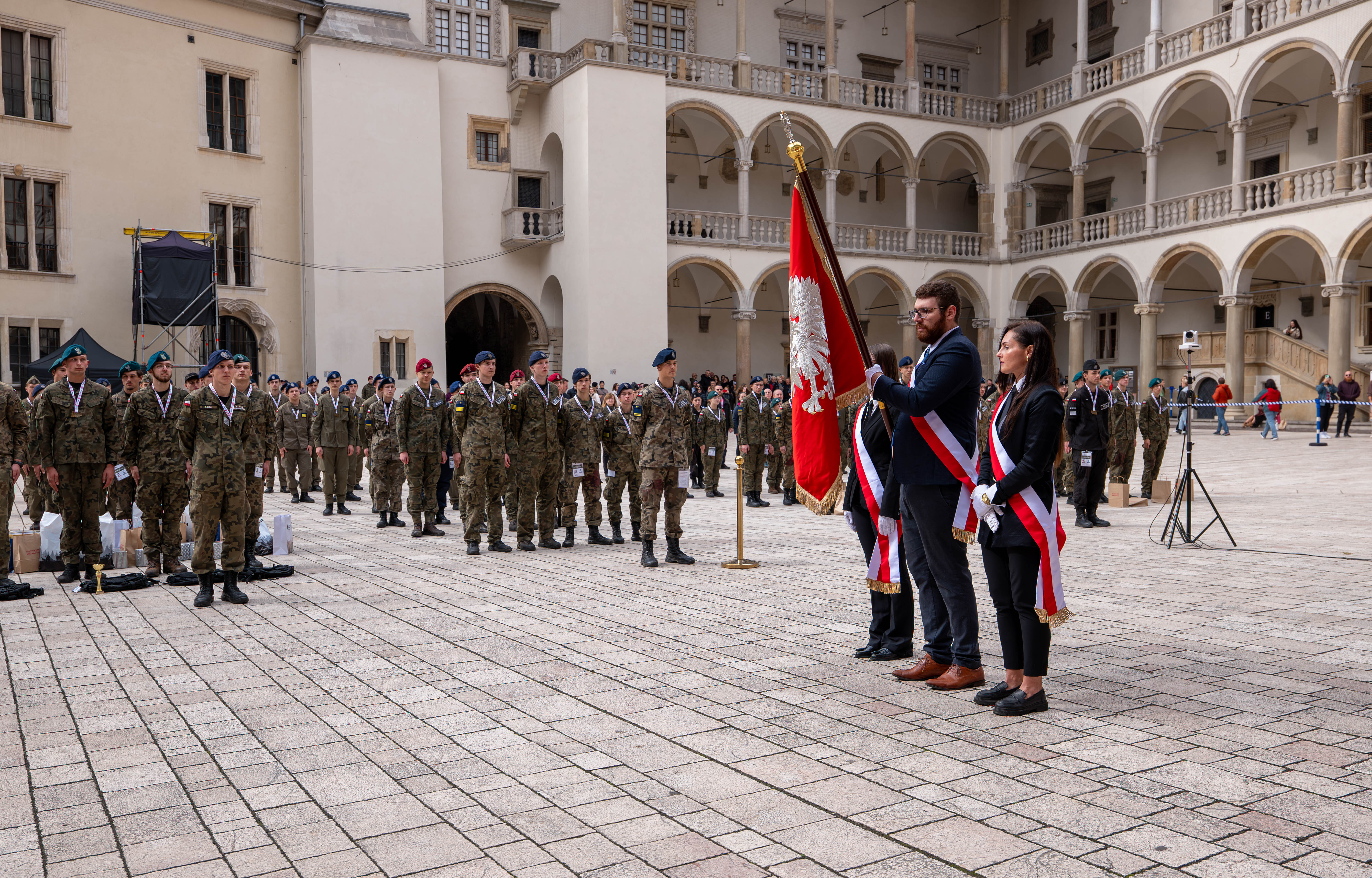
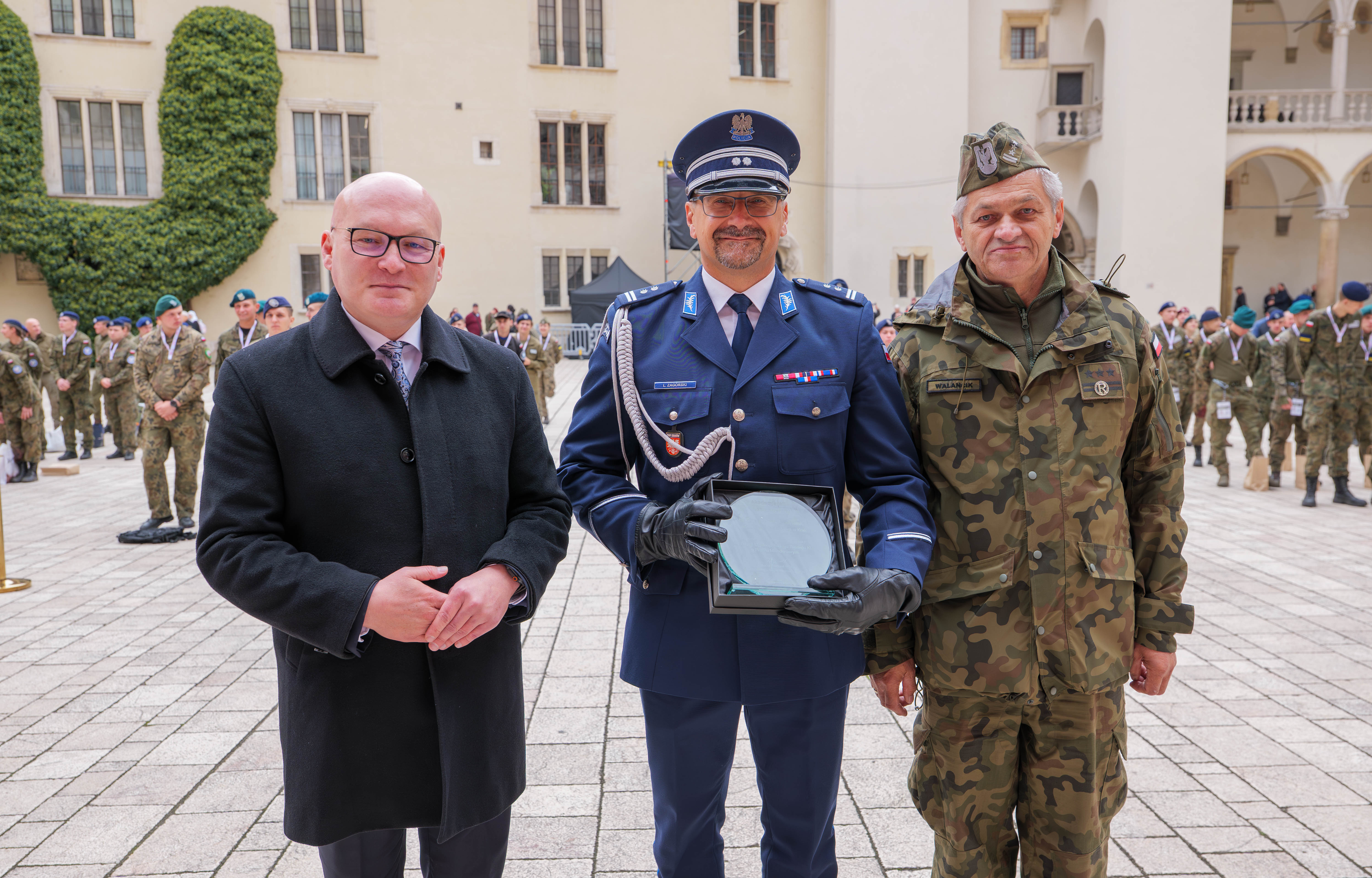
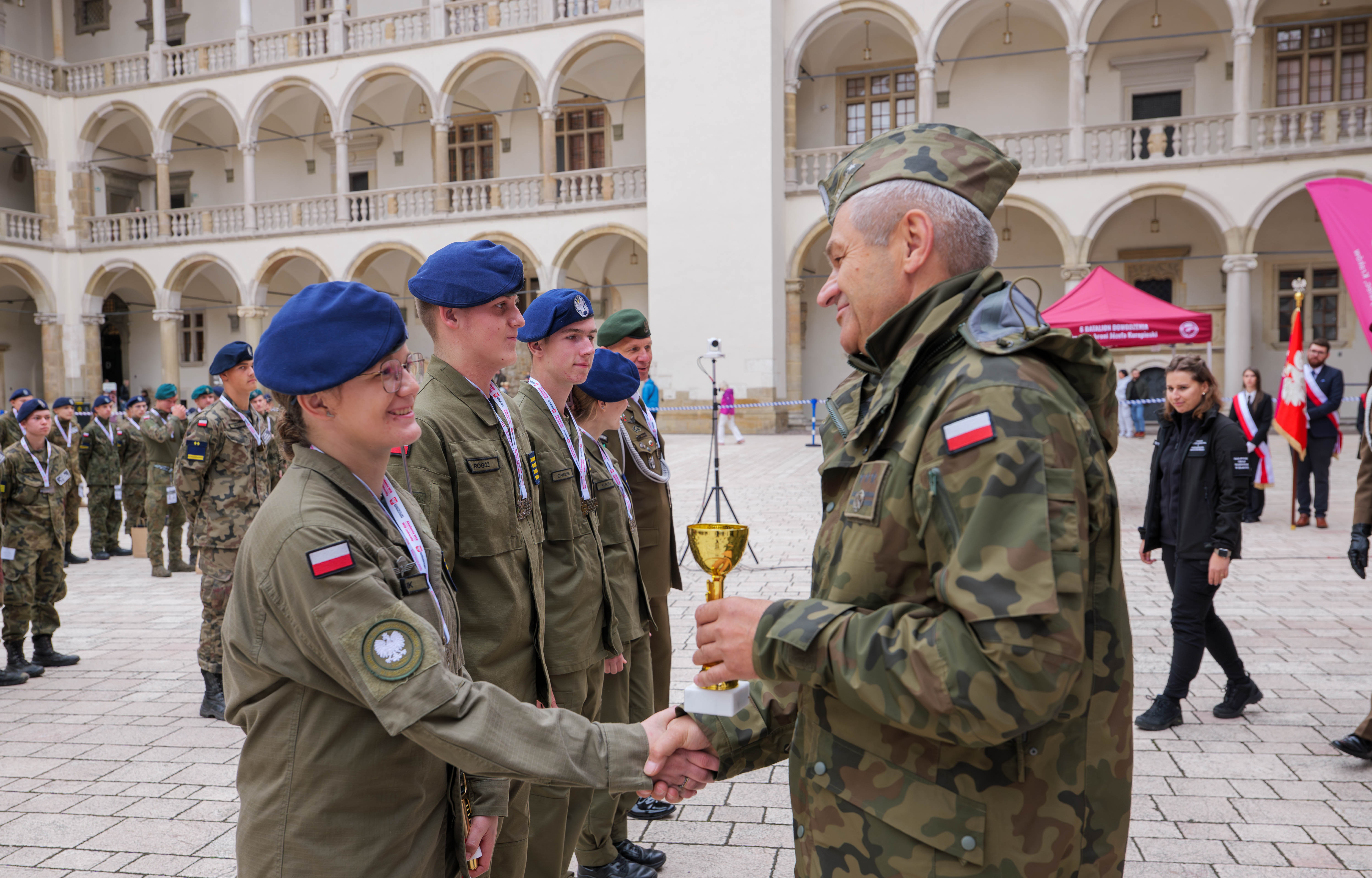
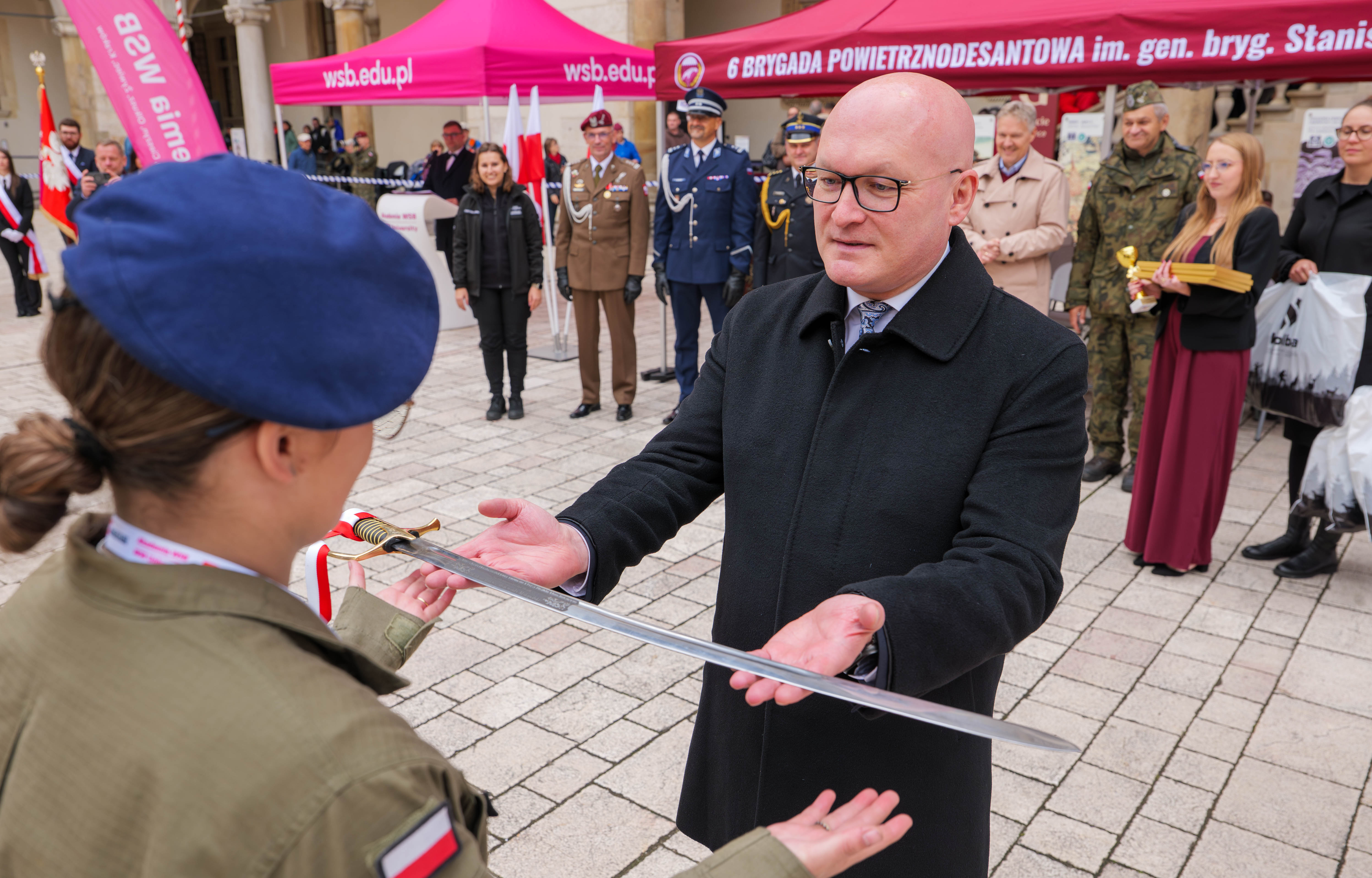
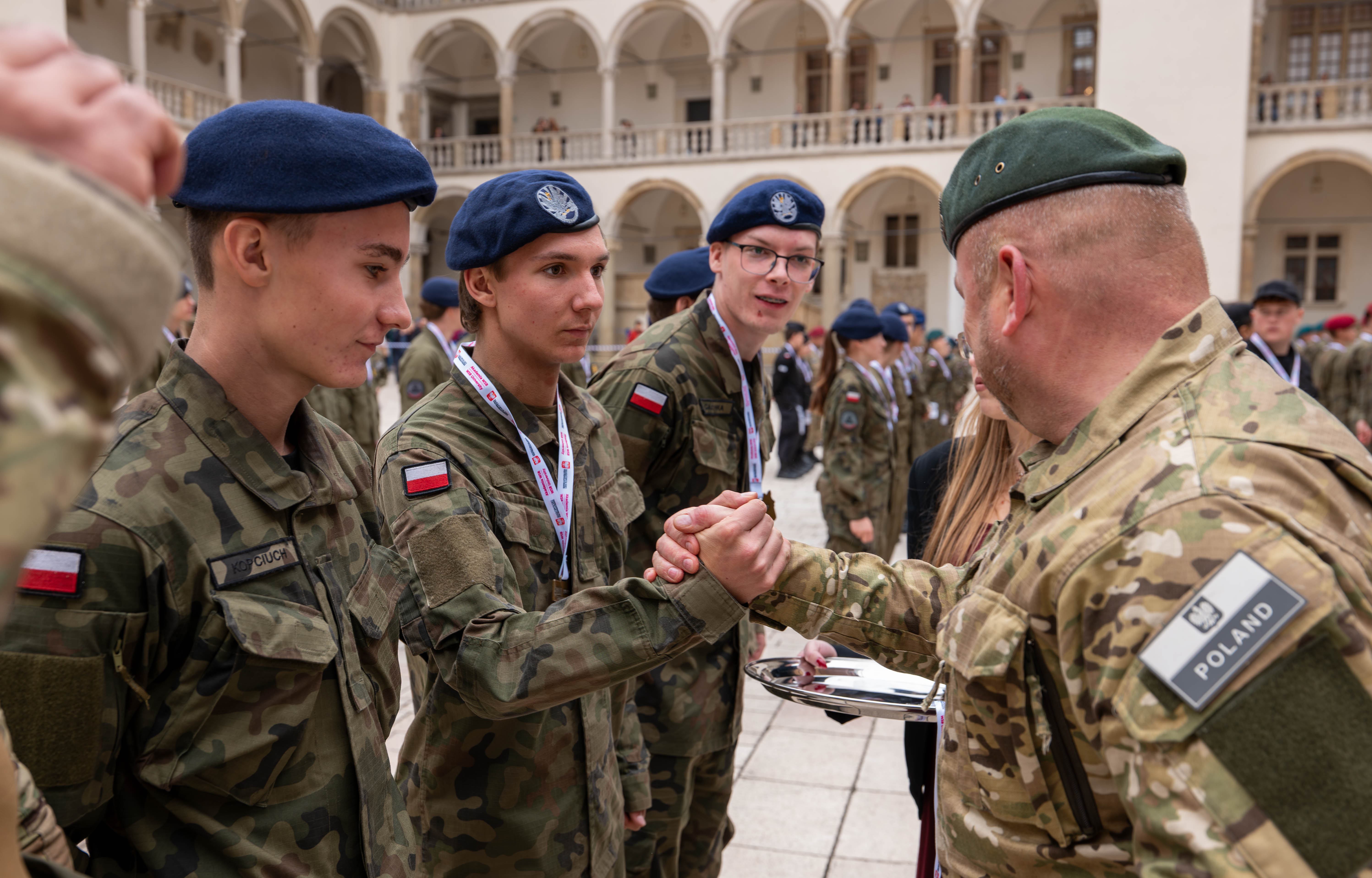
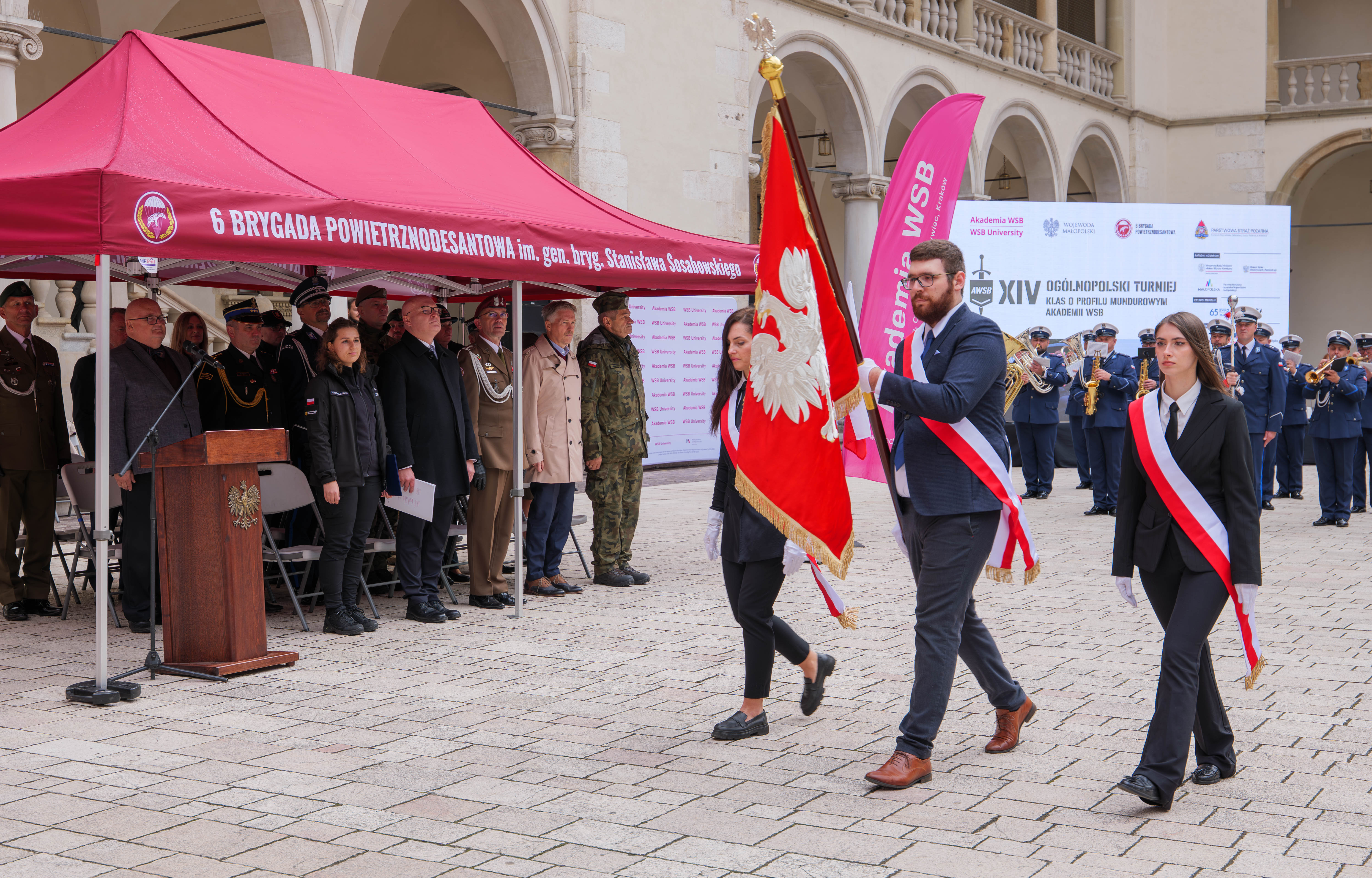
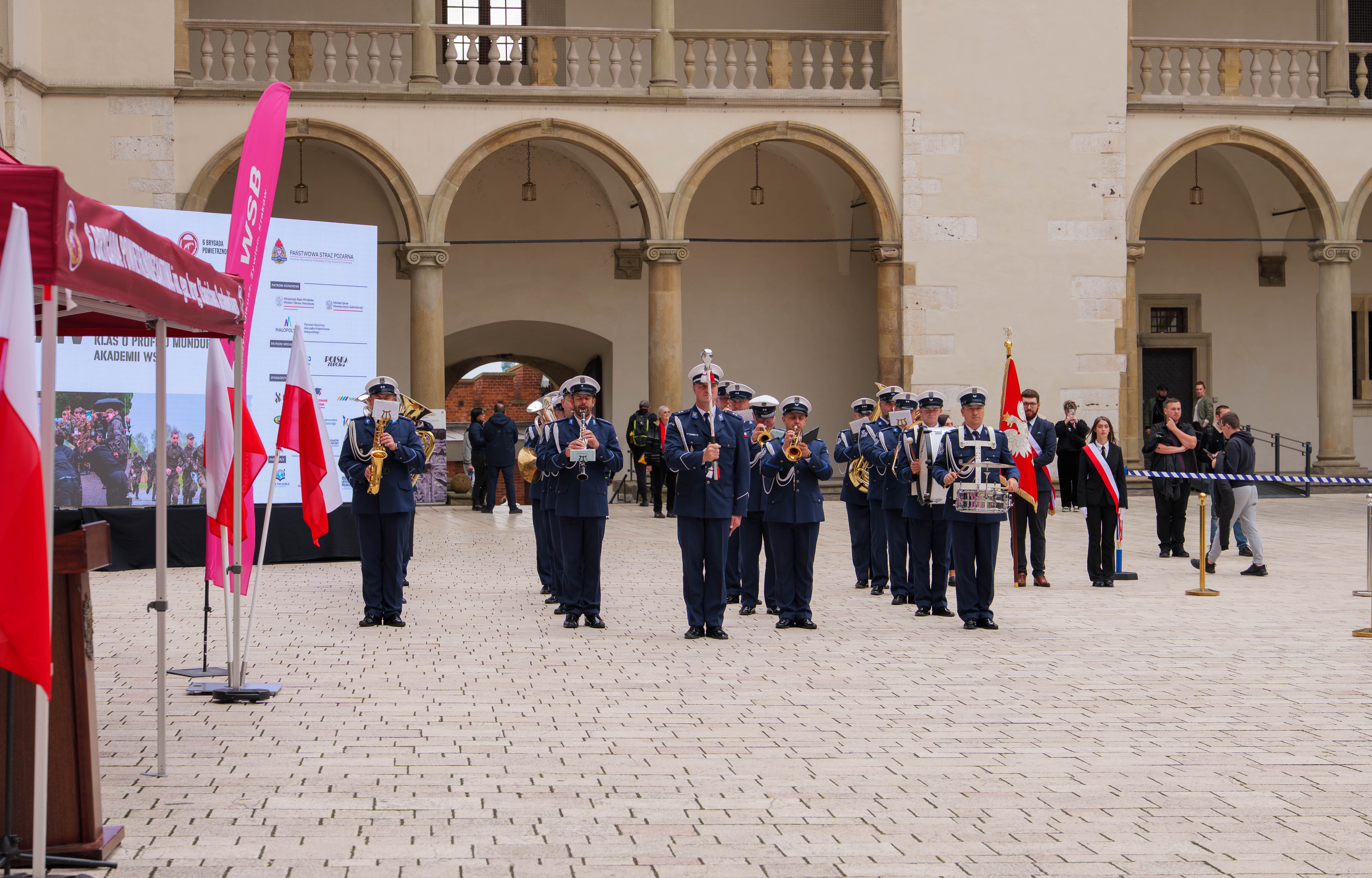
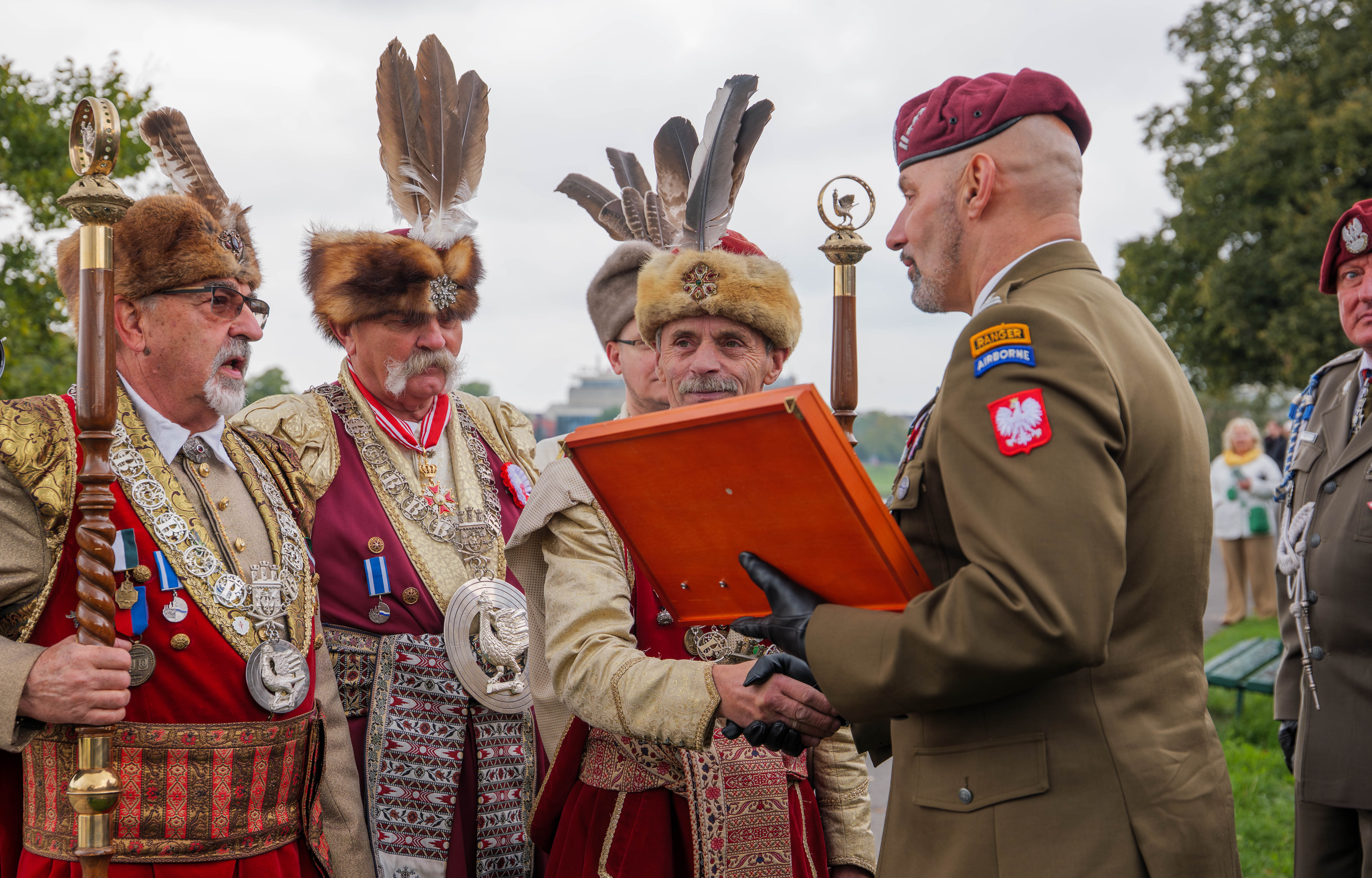
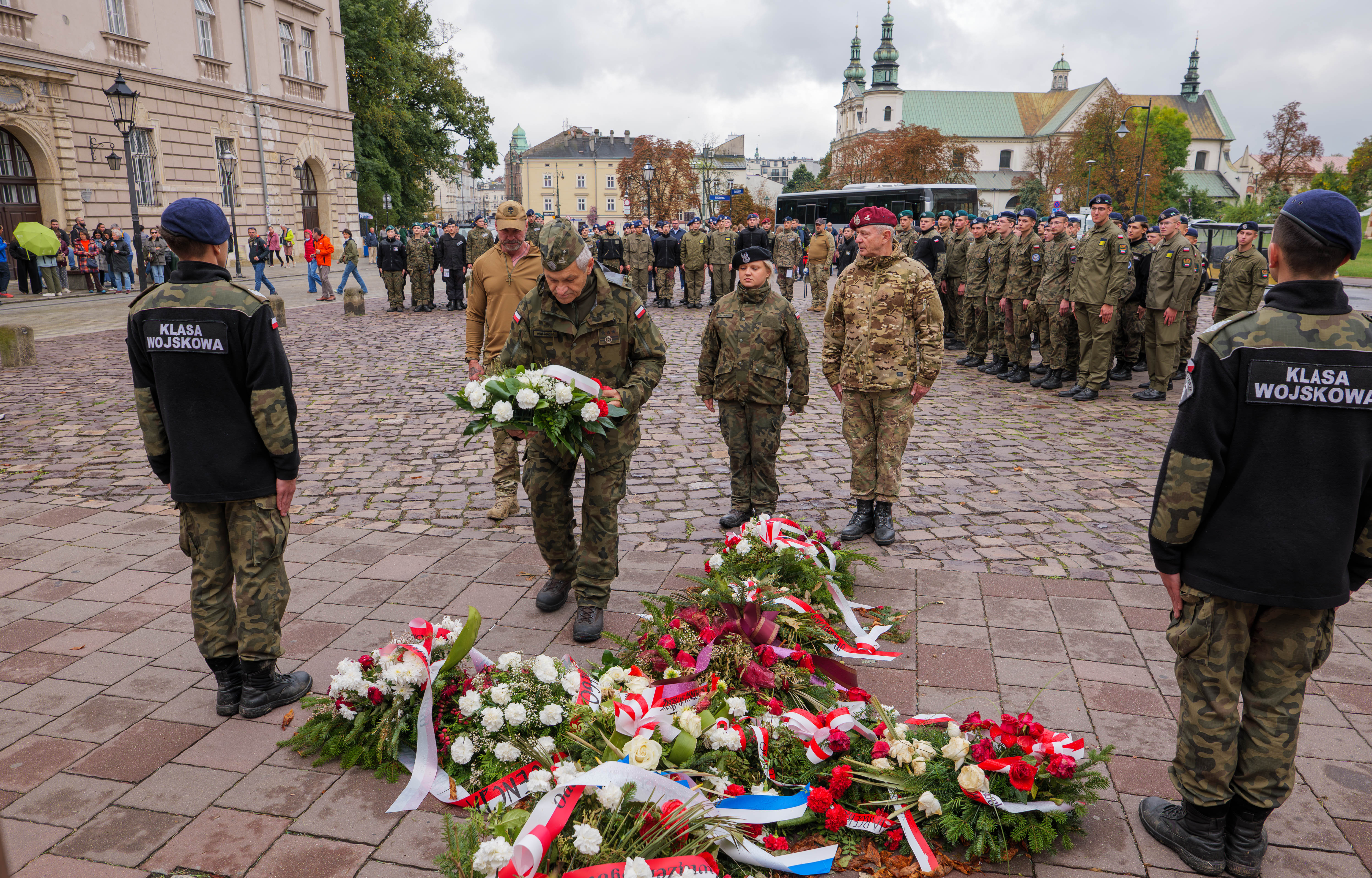
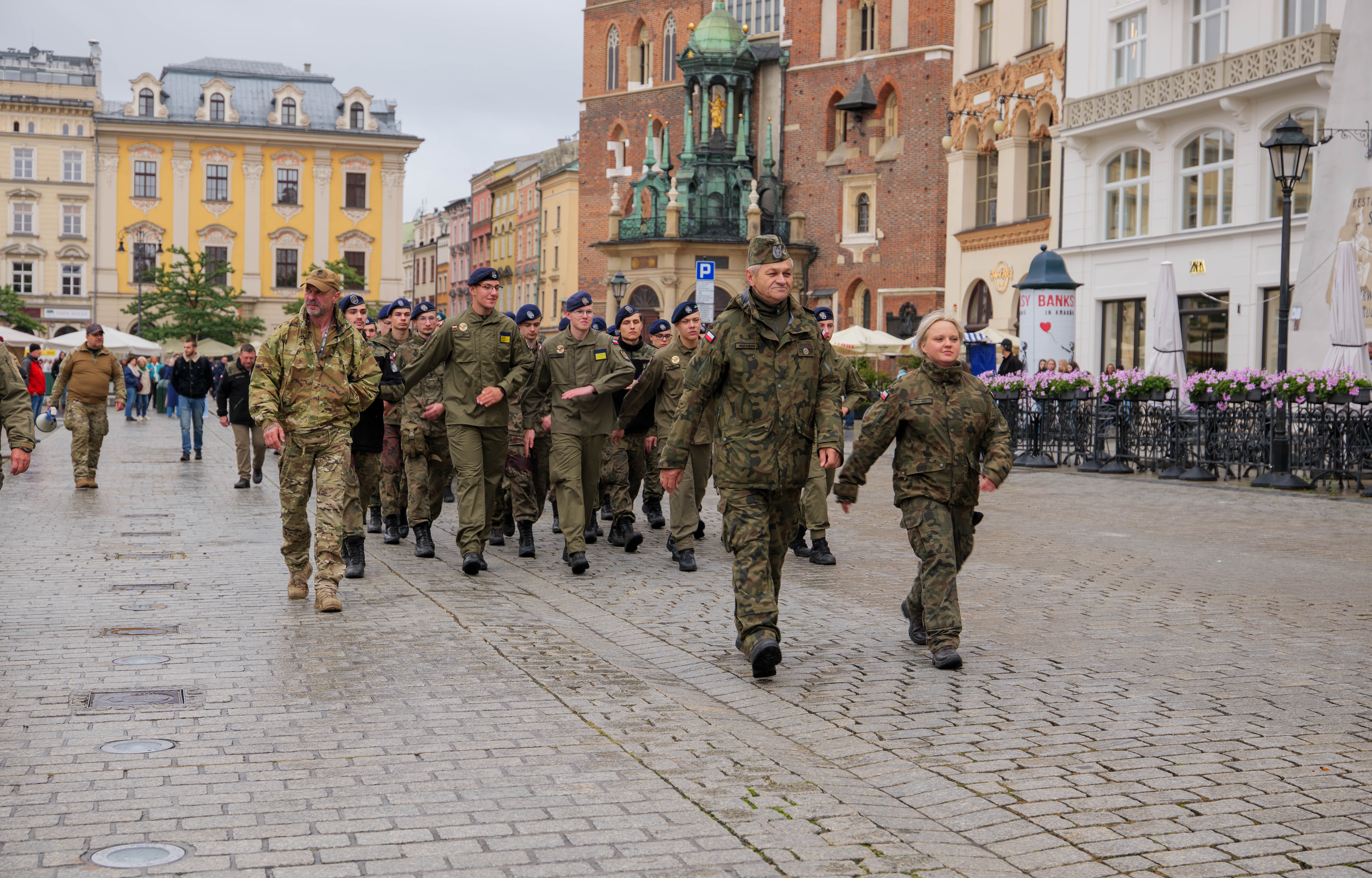
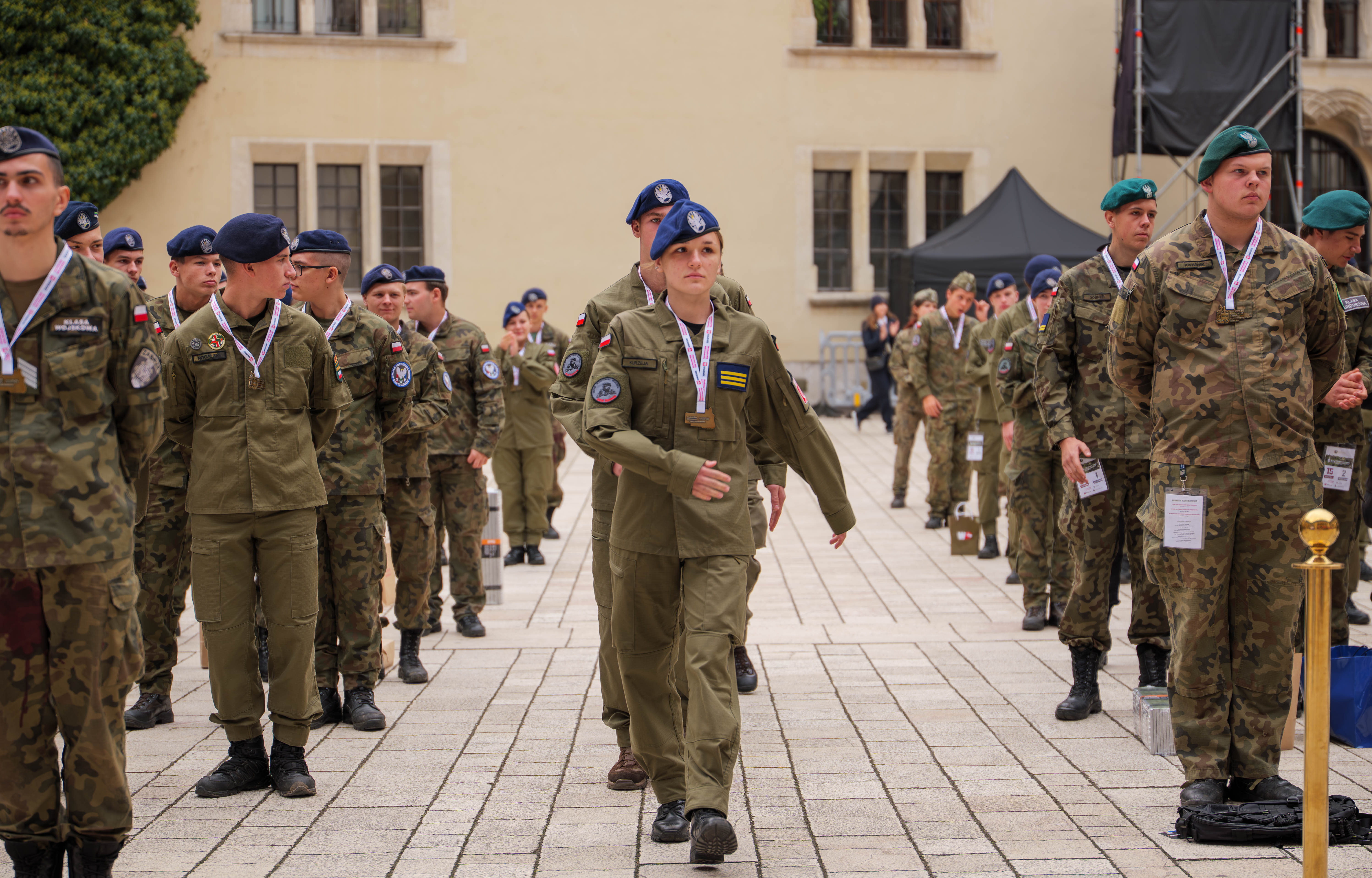
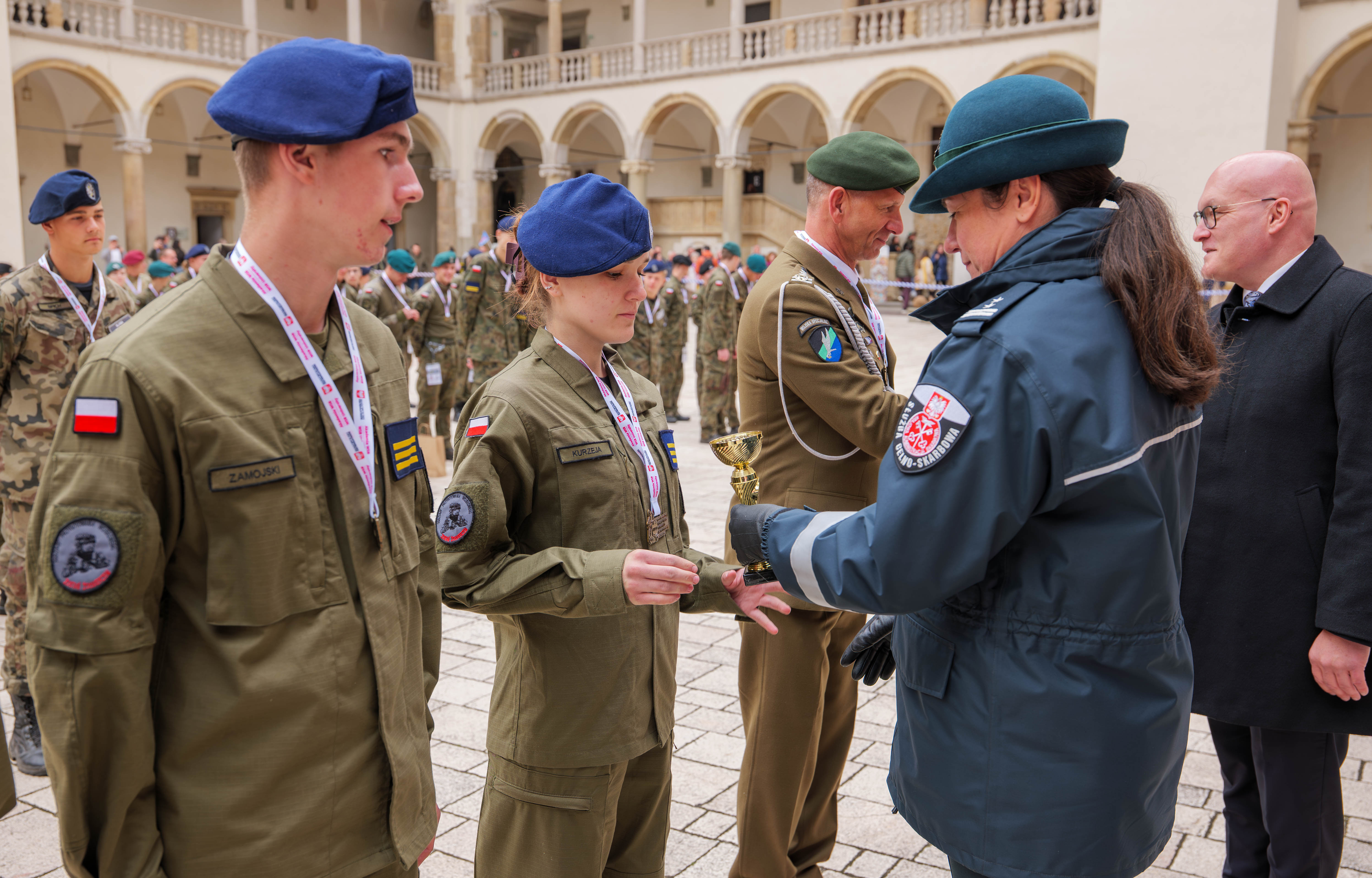
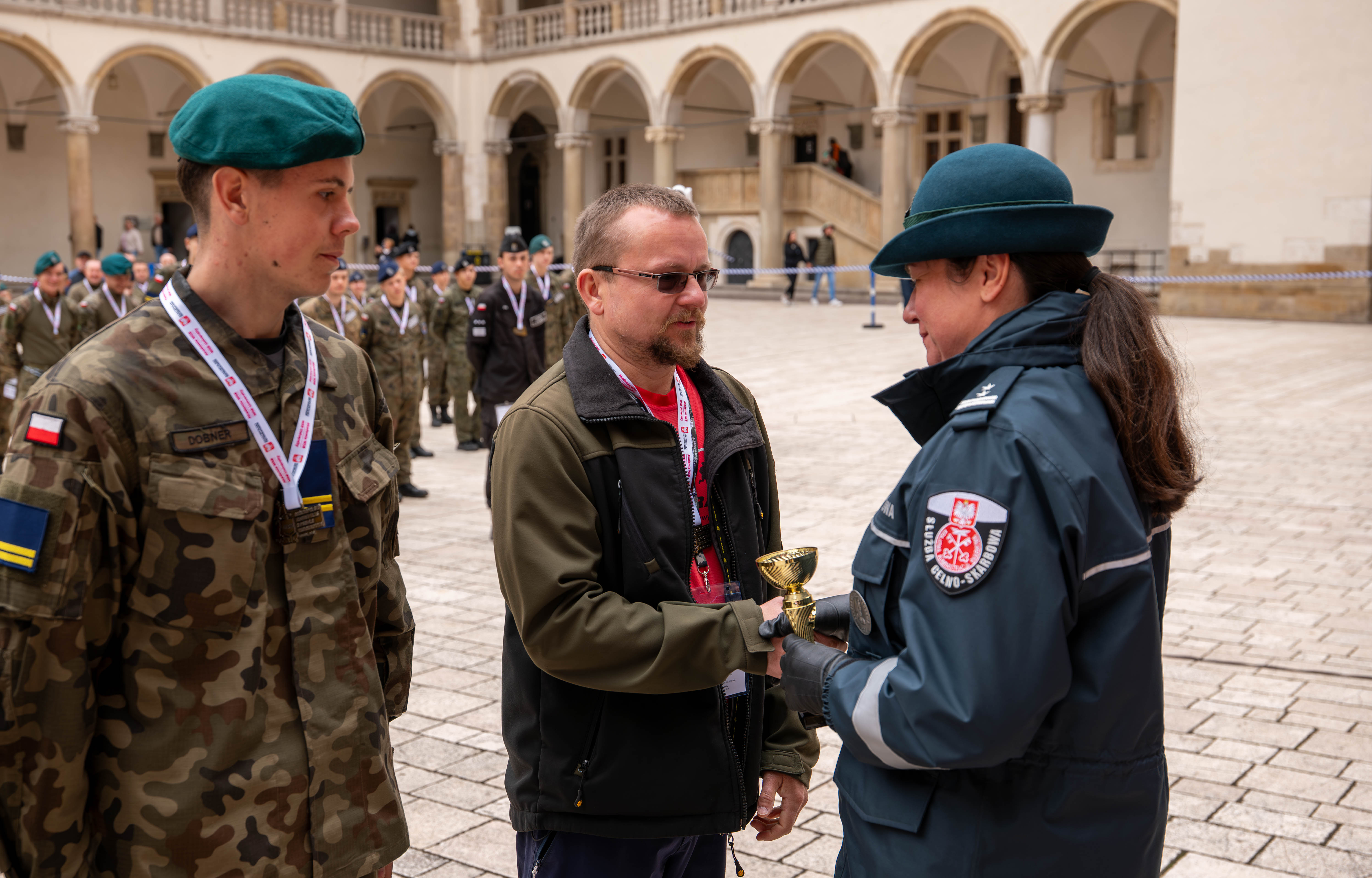
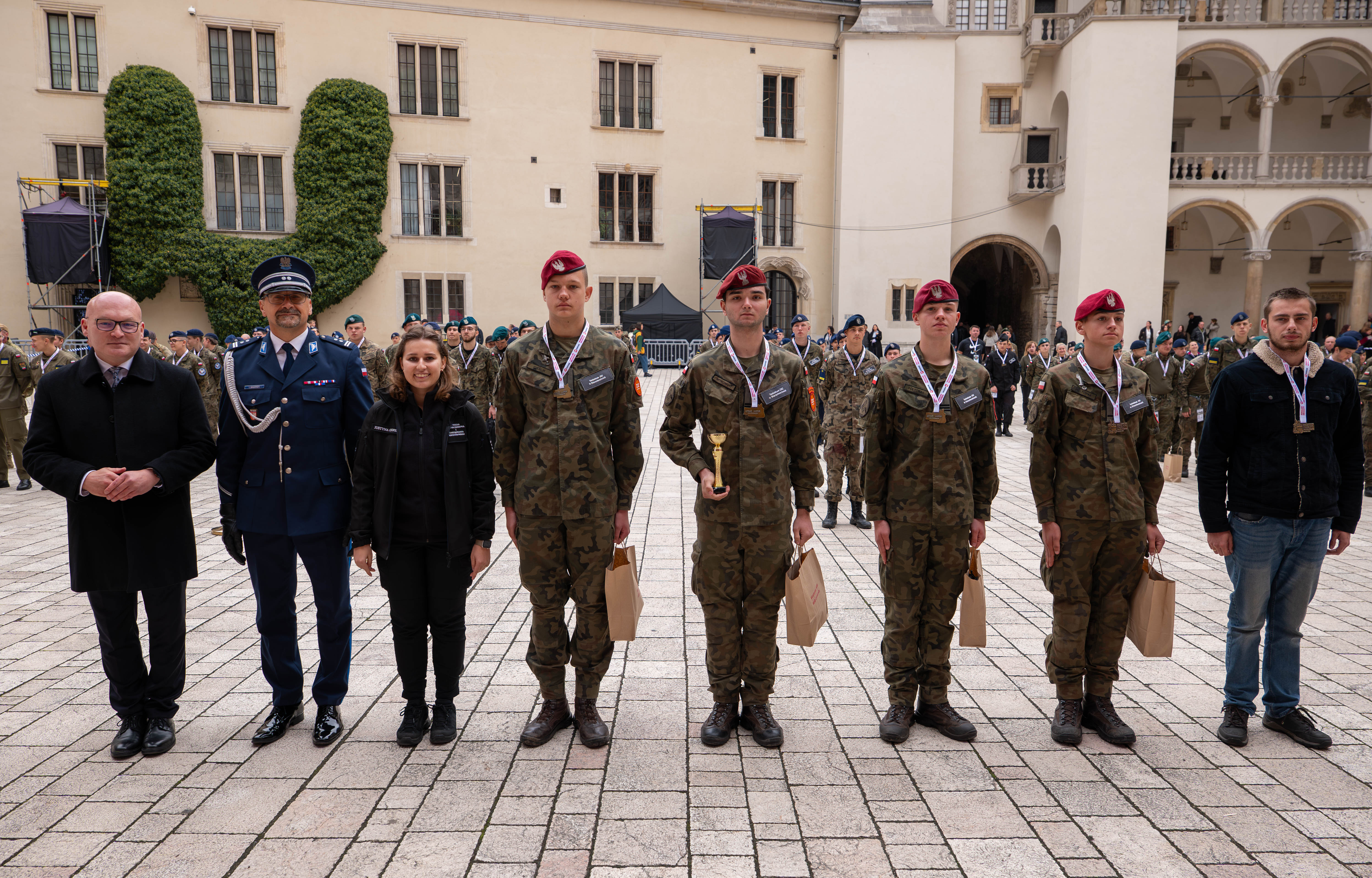
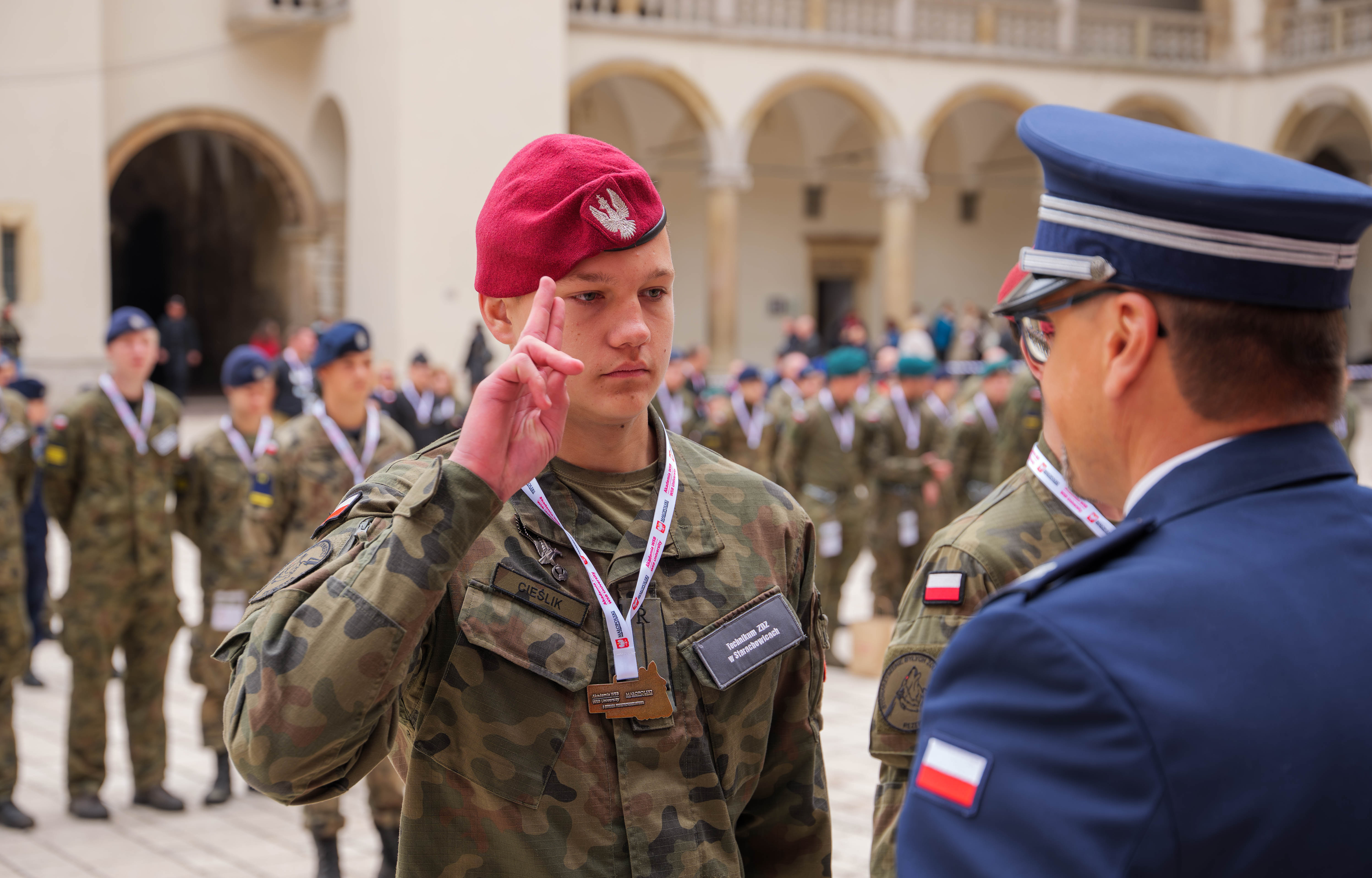
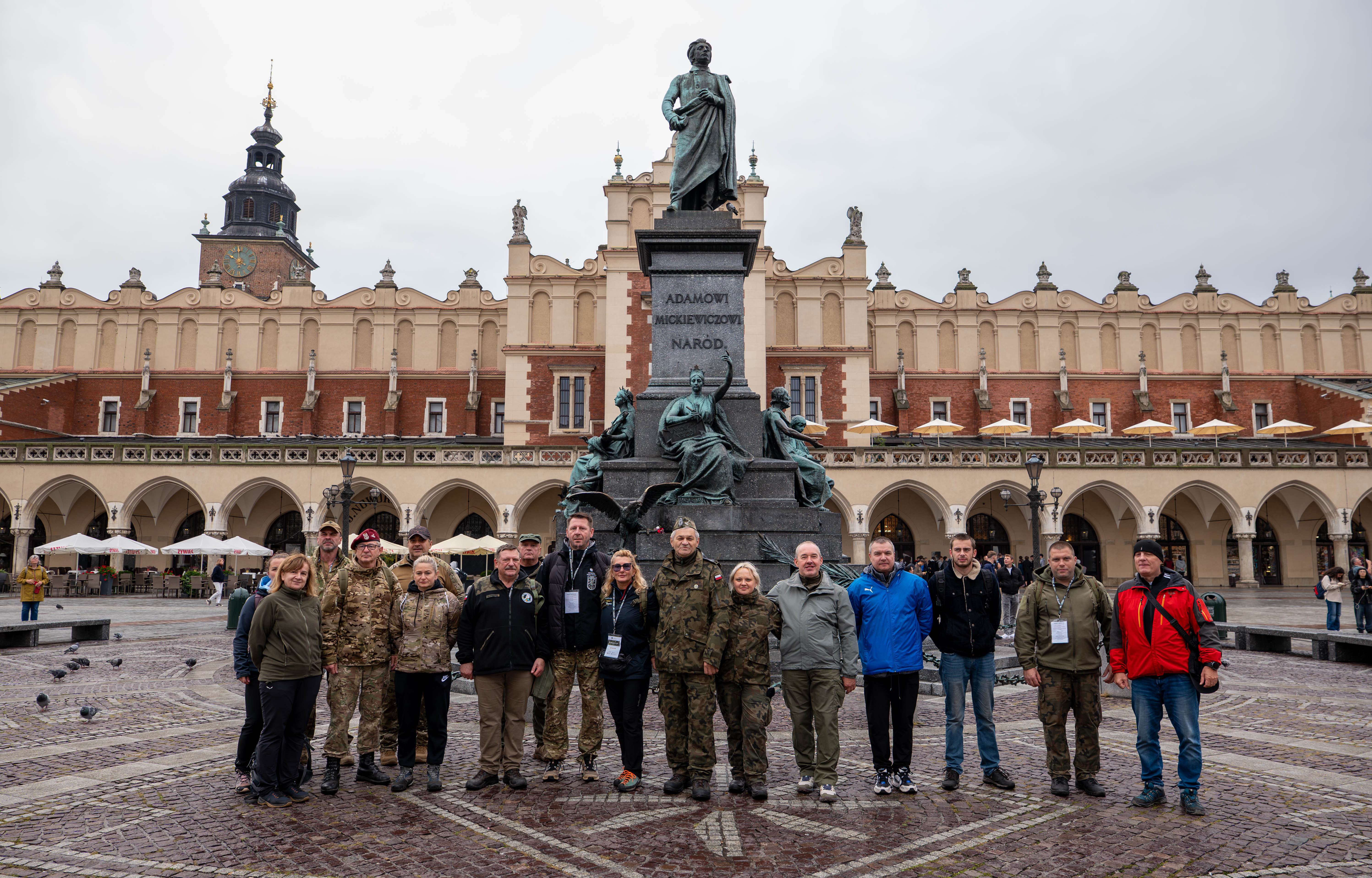
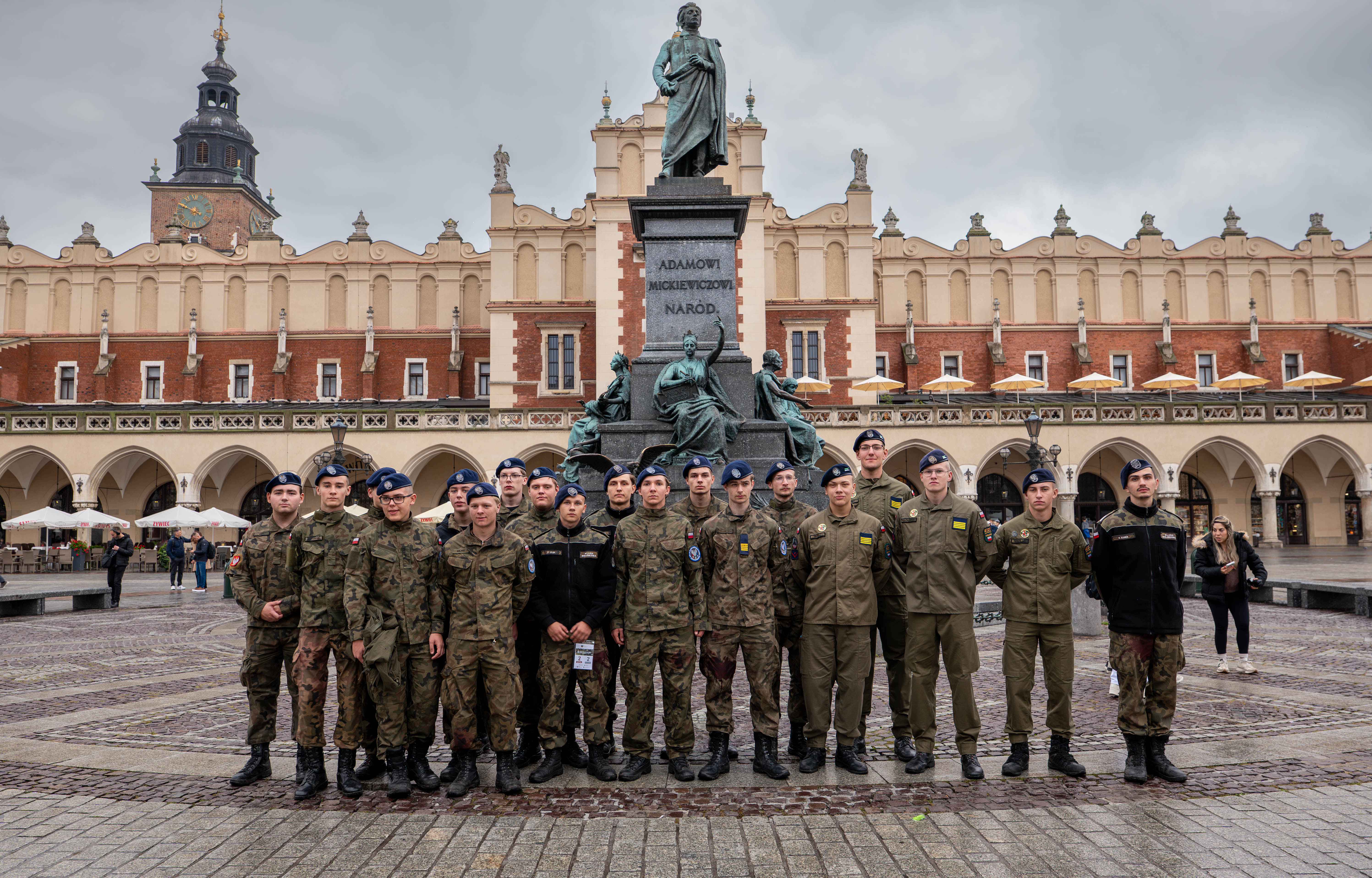
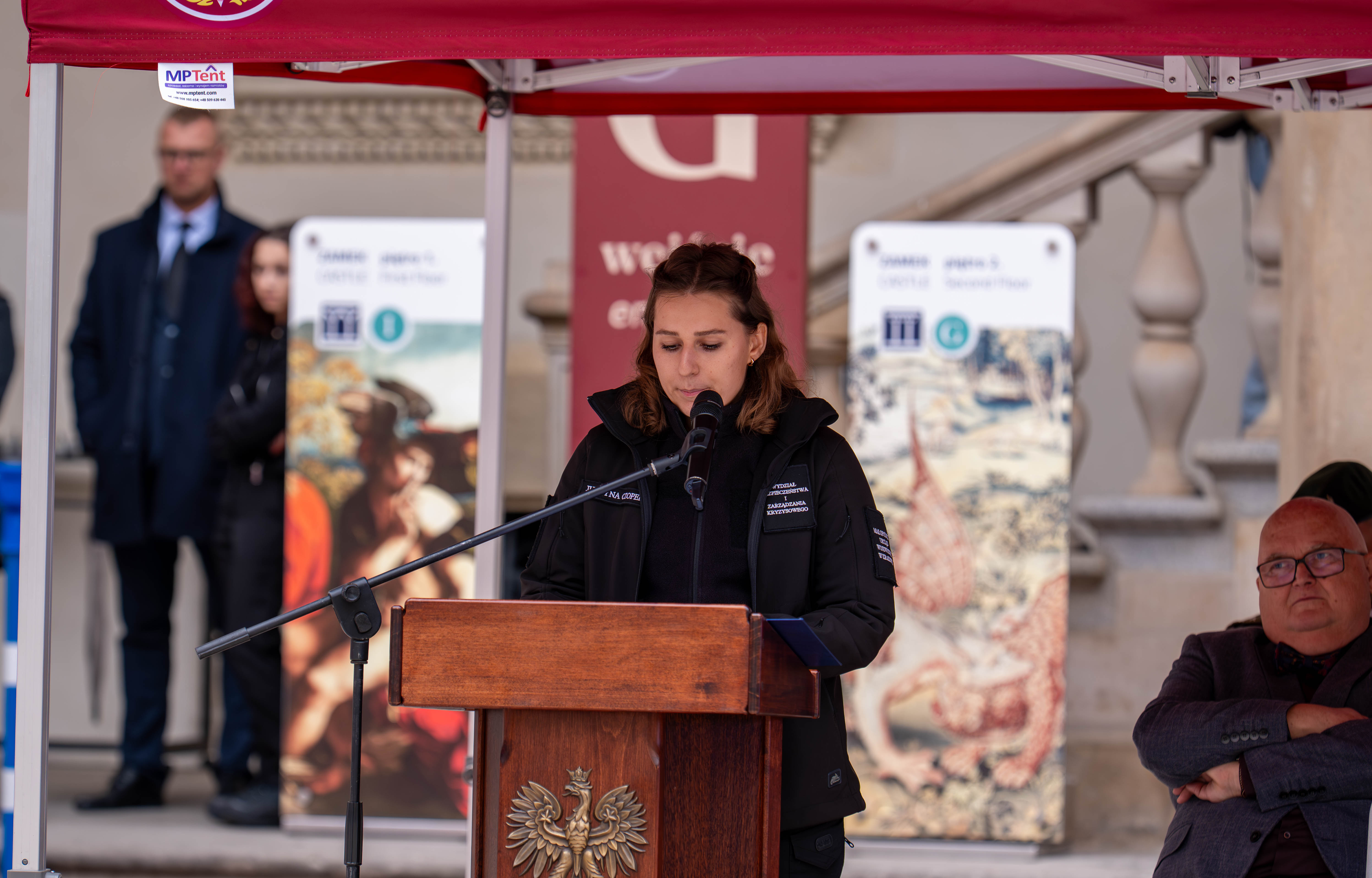
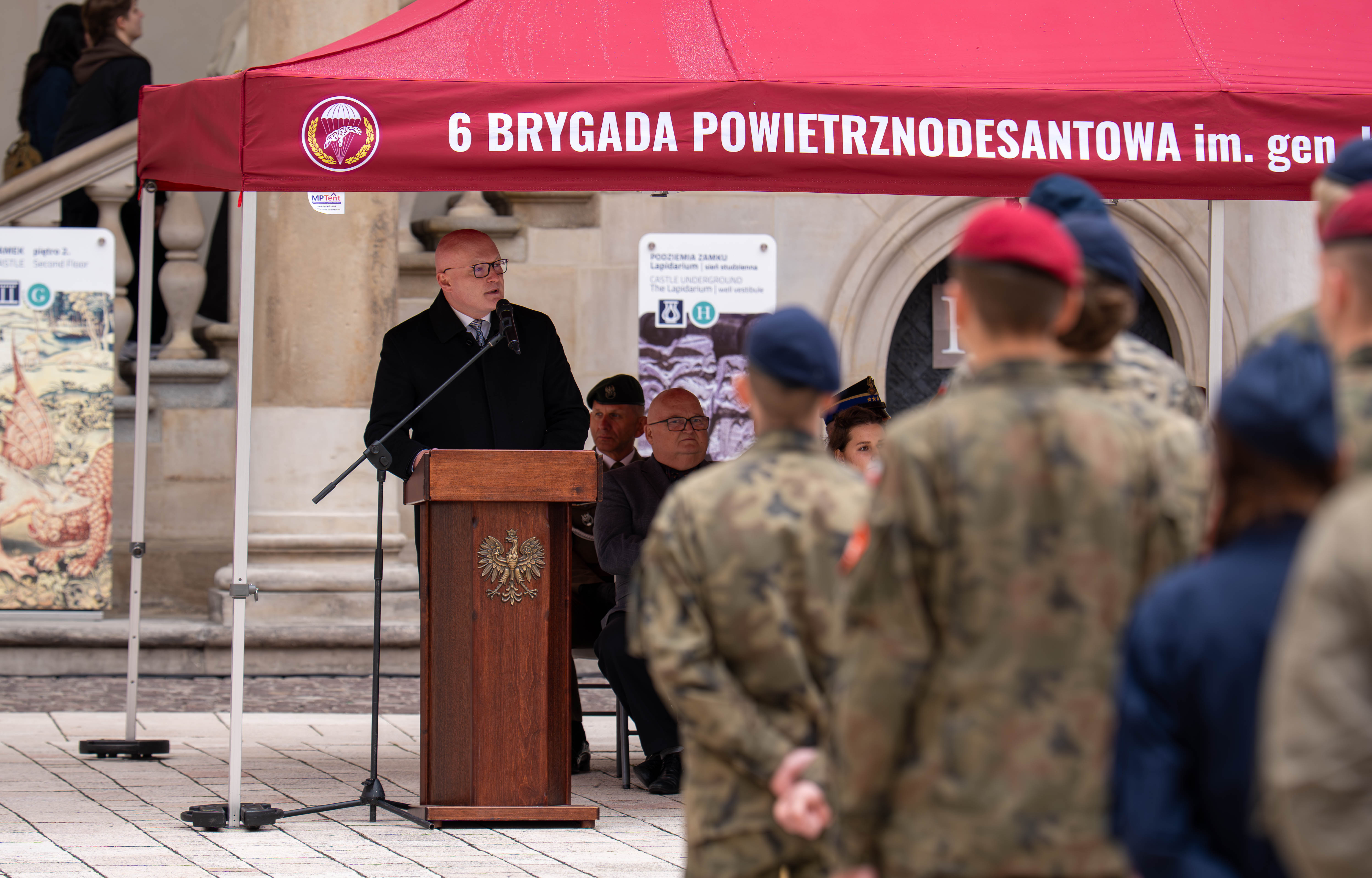
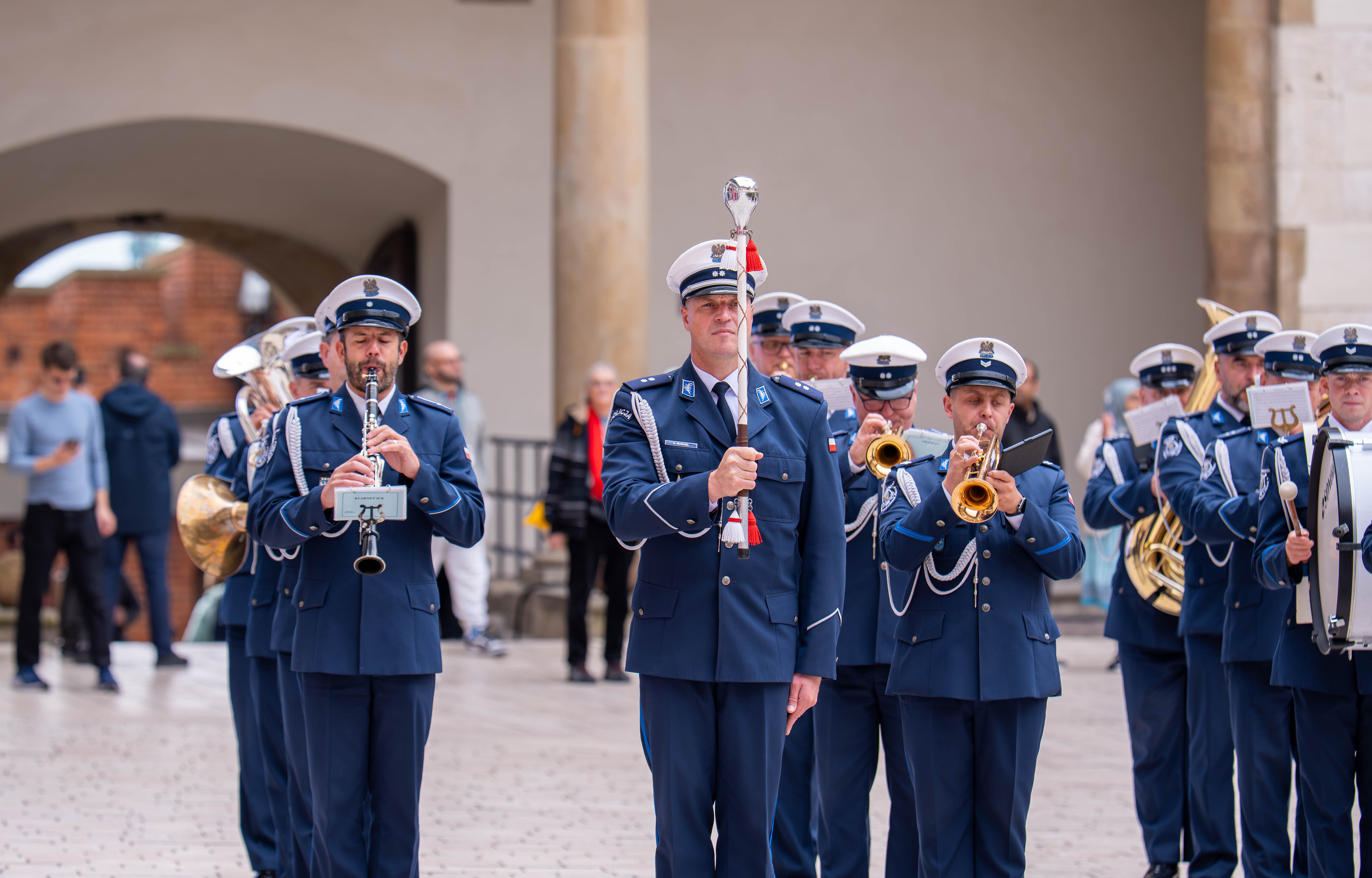
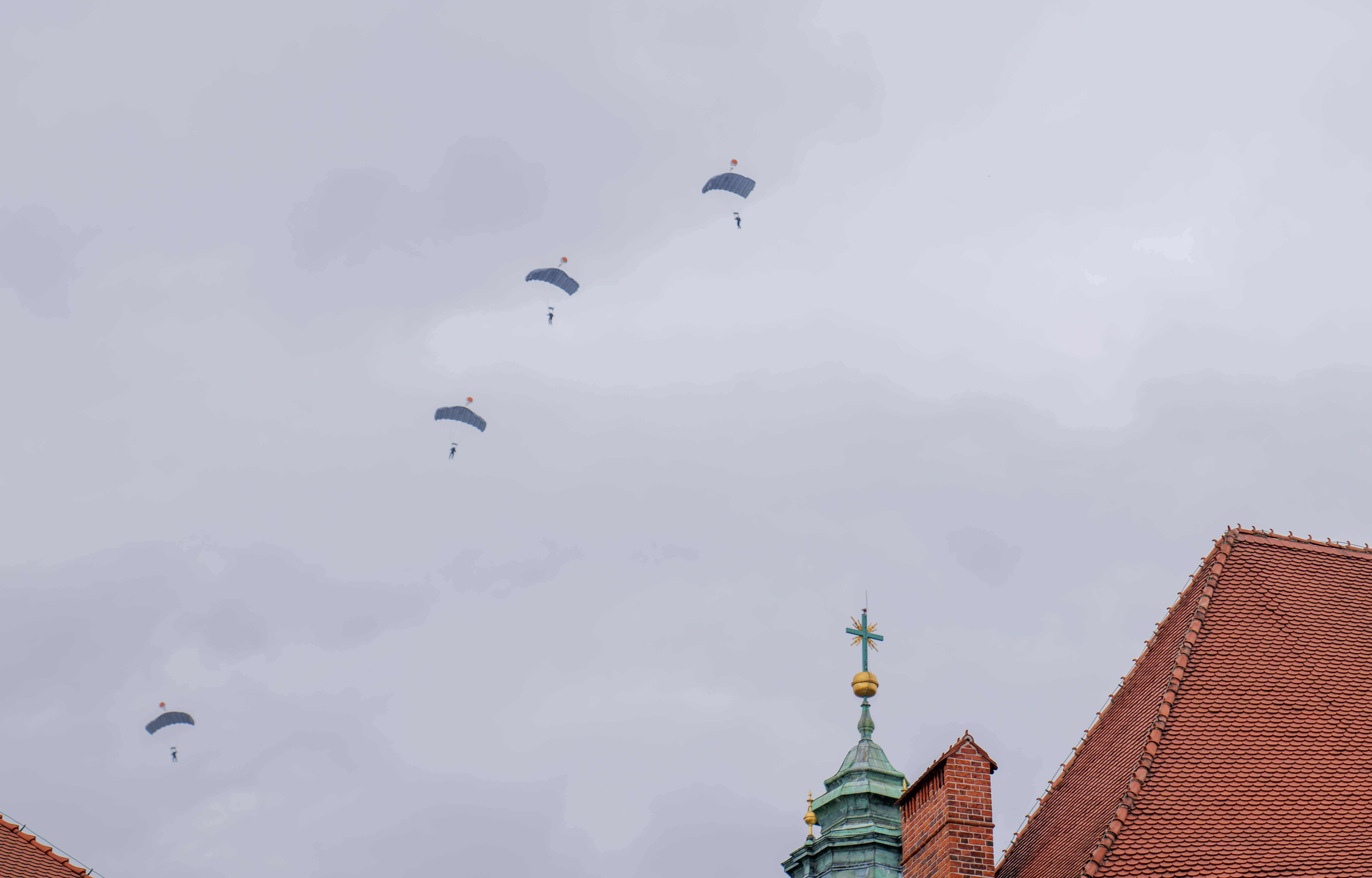
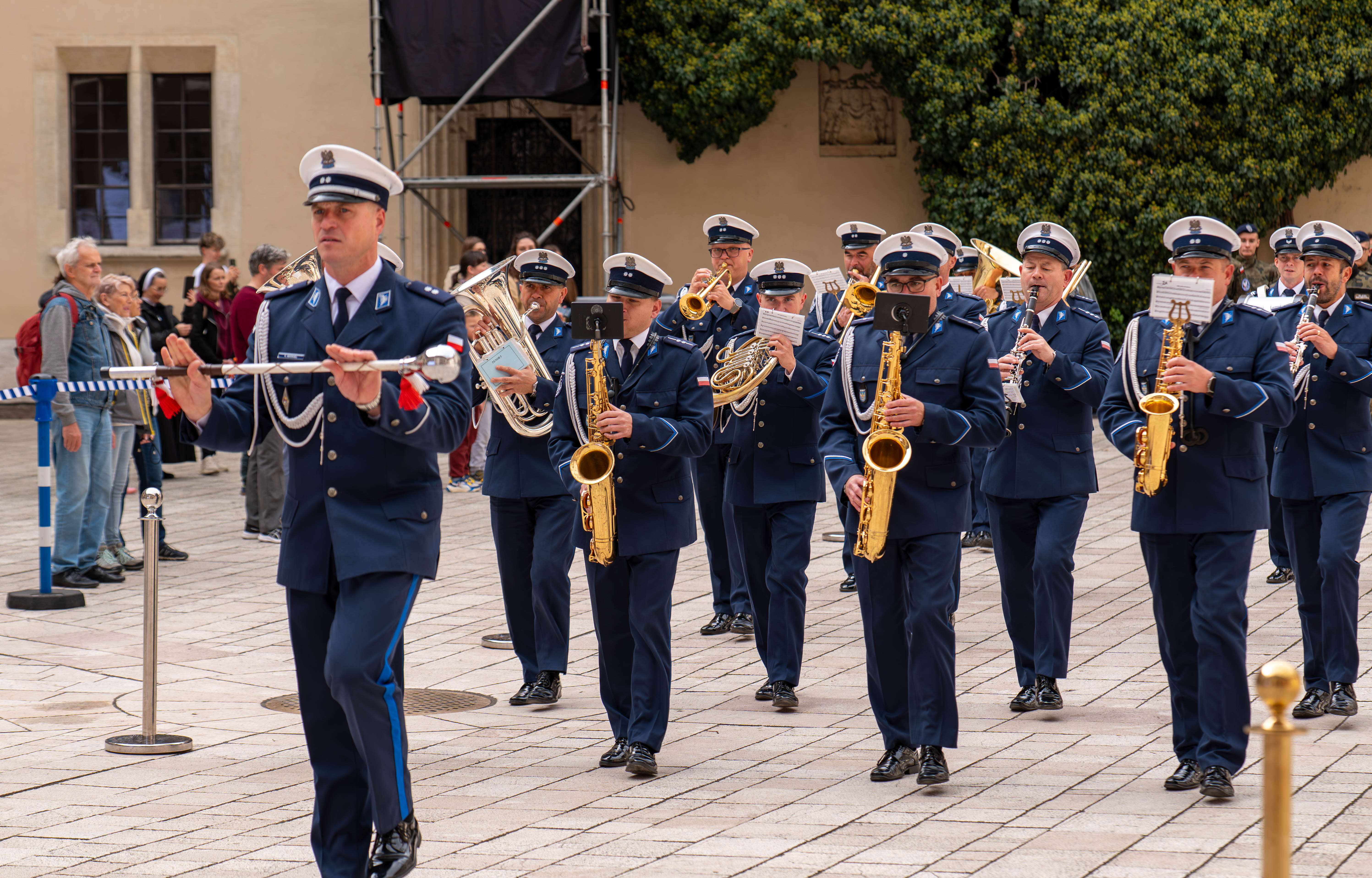
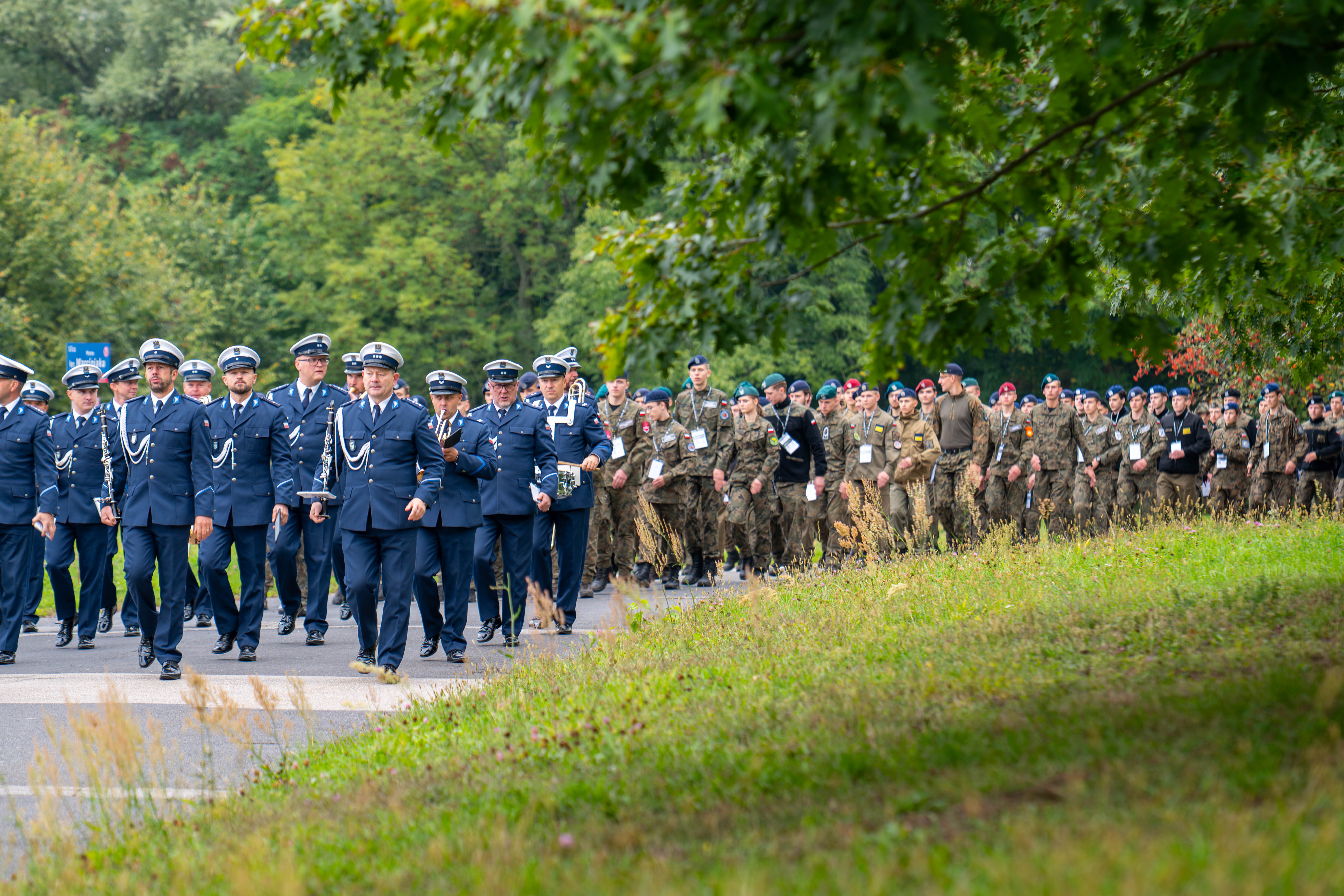
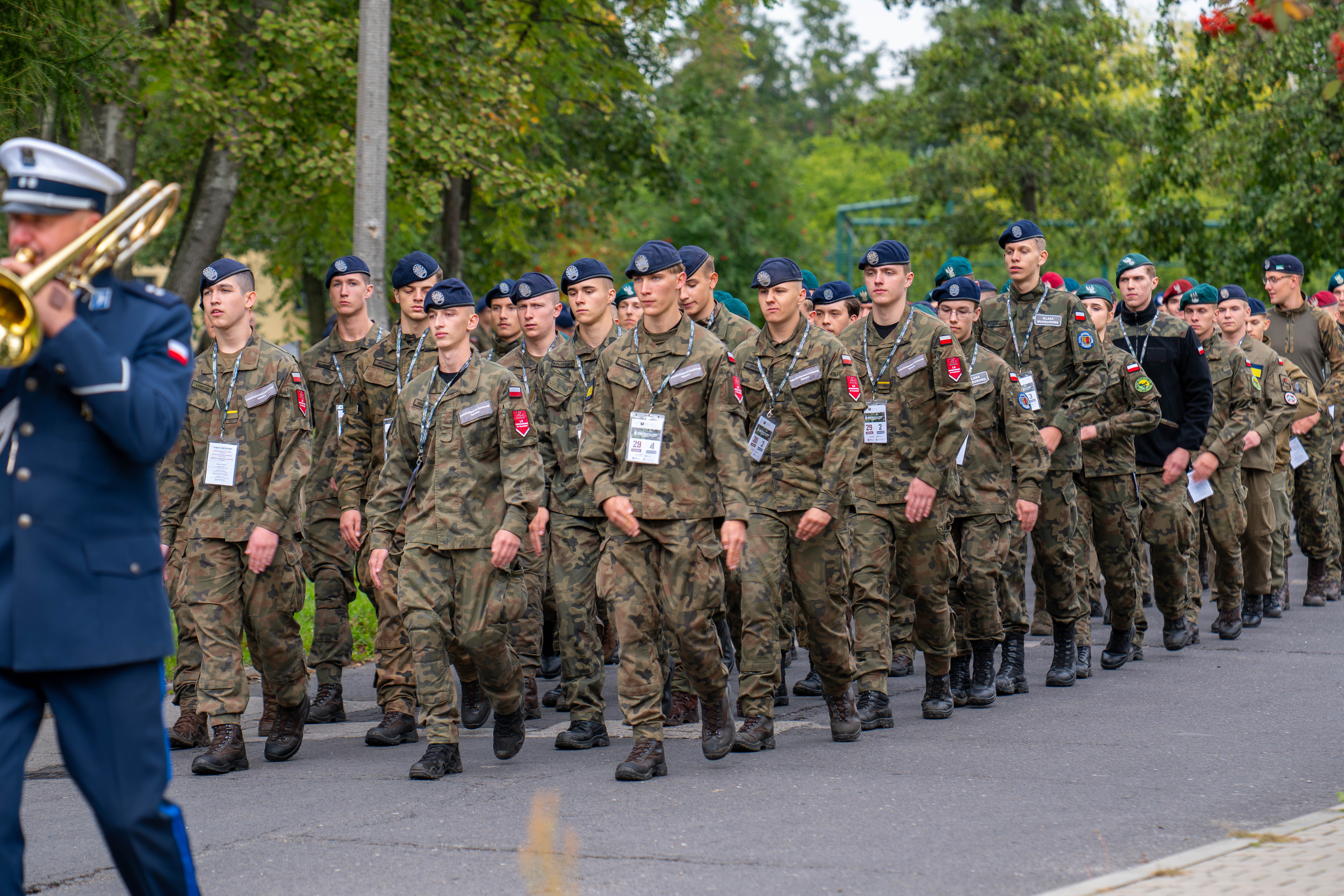
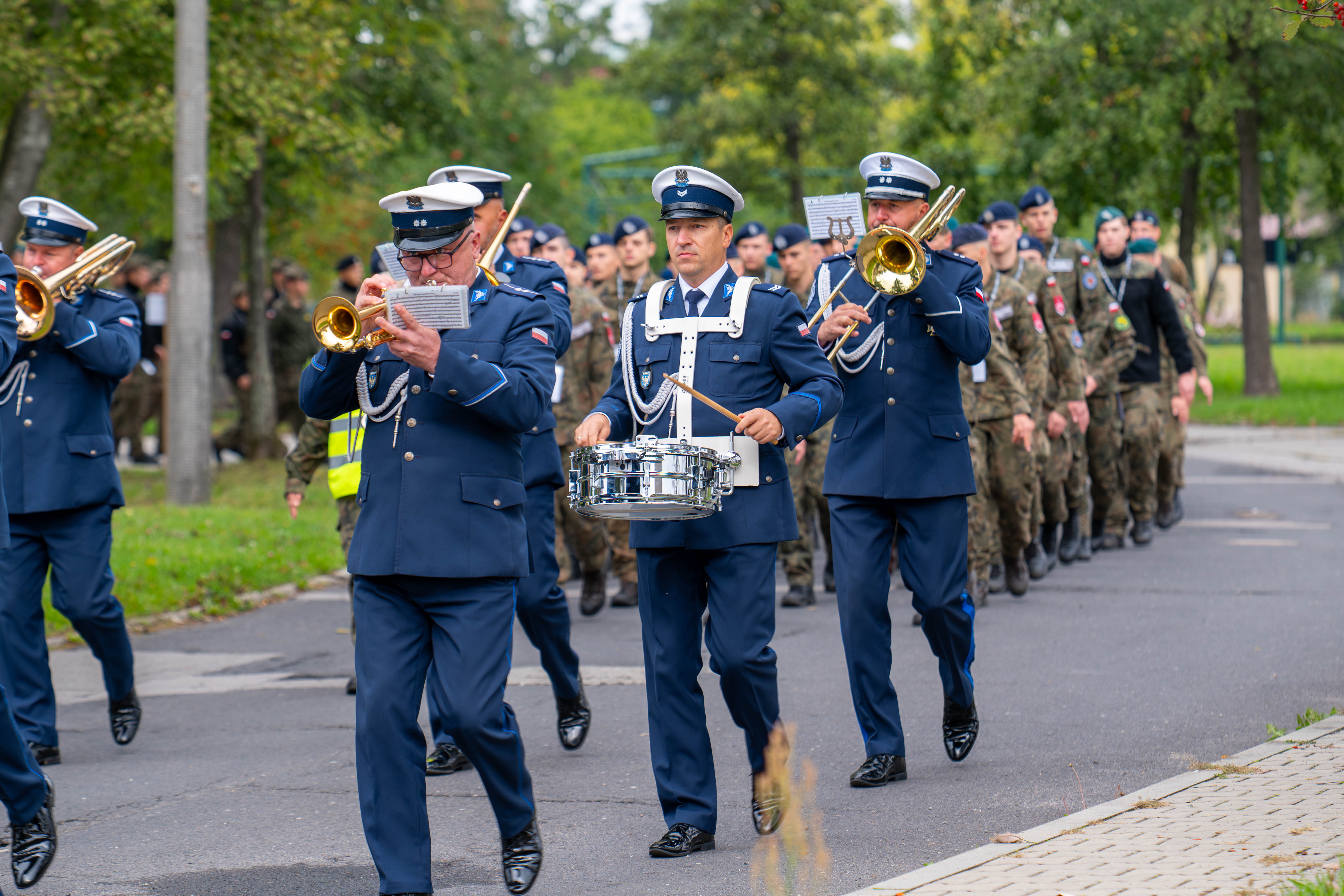
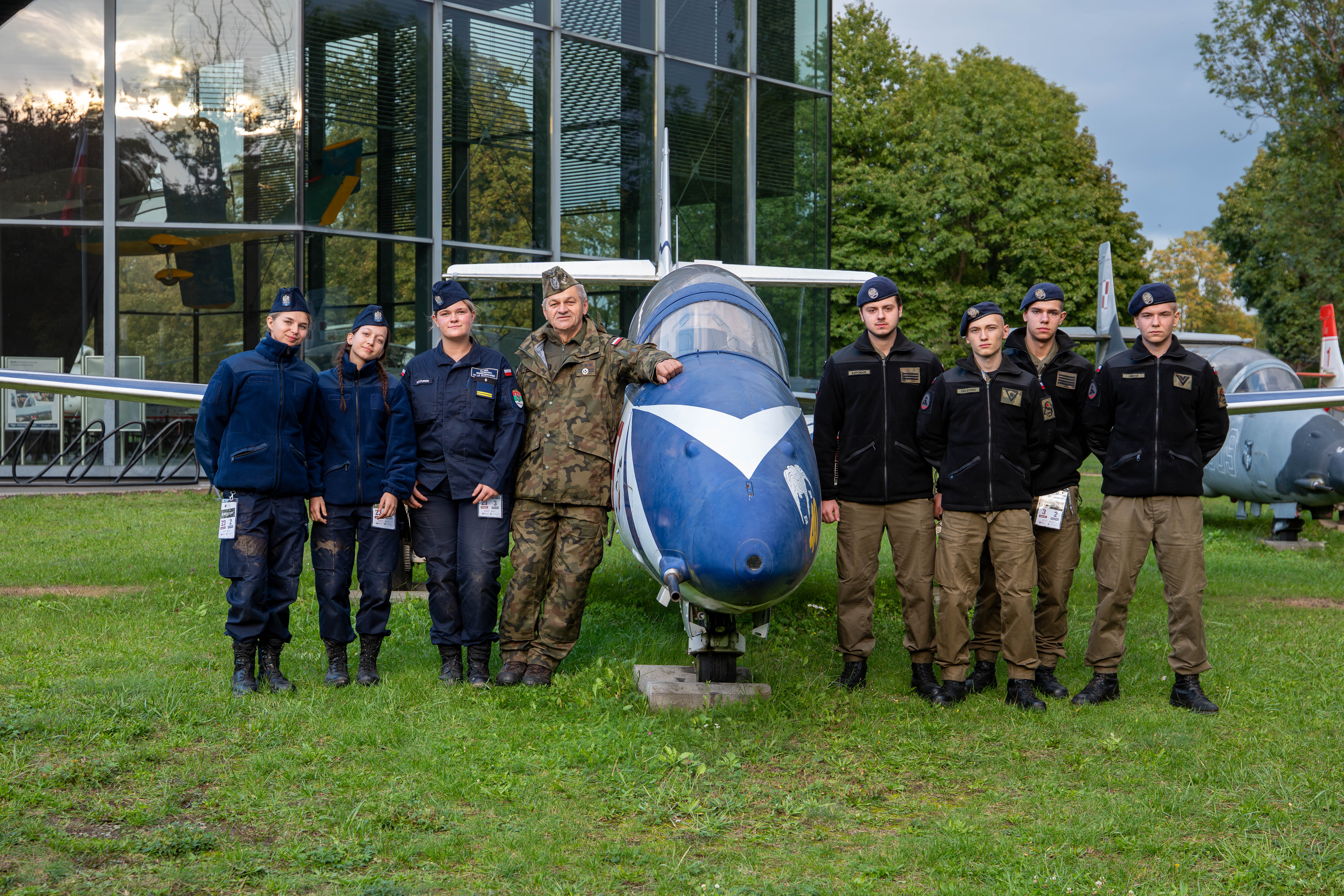
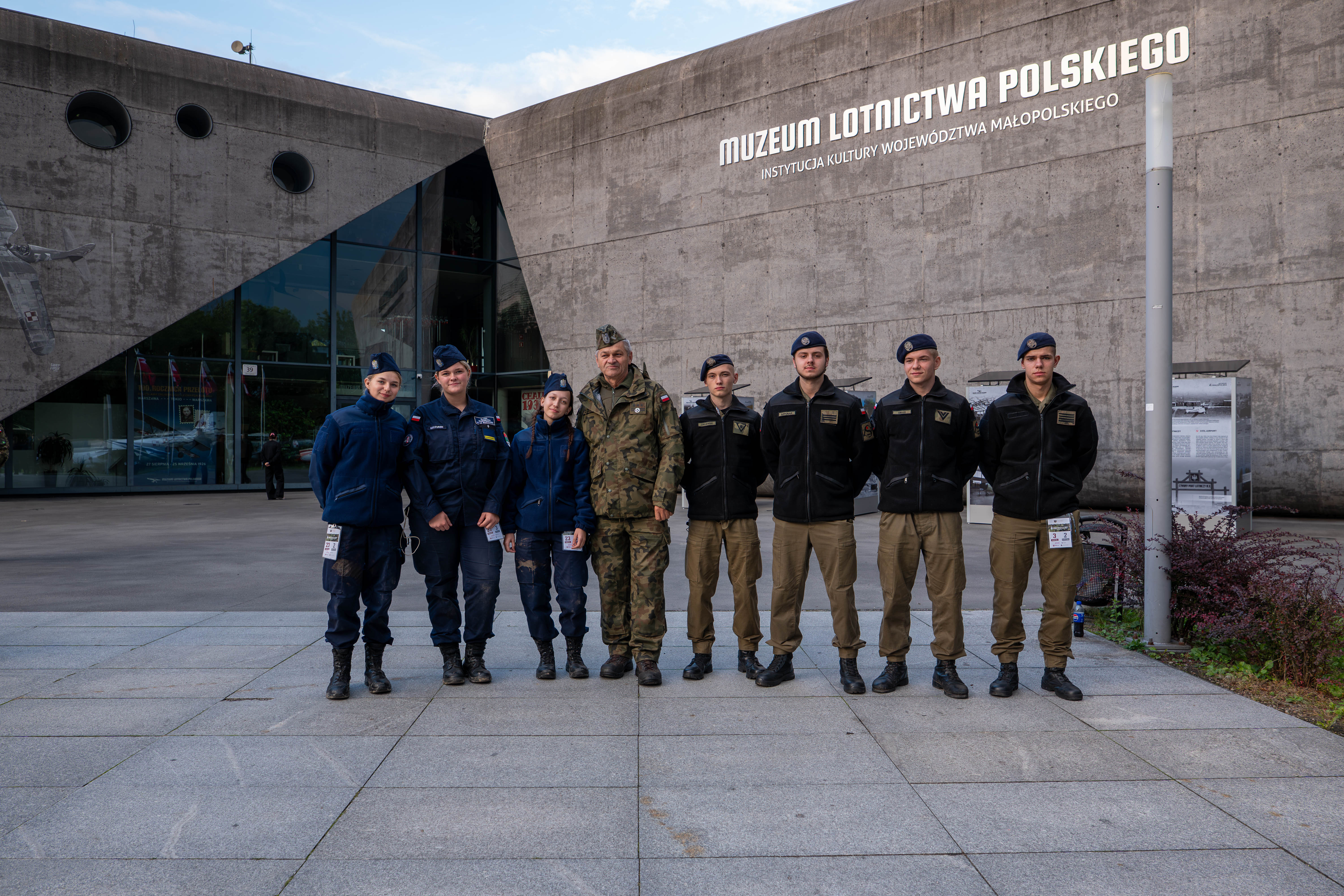
On the final day of the tournament, the cadets marched through the Main Market Square and entered the Arcaded Courtyard of Wawel Royal Castle to the music of the Representative Band of the Provincial Police Headquarters in Katowice. All participants received medals for competing in the spirit of fair play, and prizes were awarded in more than 20 categories. The winning teams received, among other prizes, victory sabres and places at WSB University, while the overall winners also received a parachuting course culminating in a jump.
The tournament was won by the team from the Władysław Szybiński School Complex in Cieszyn. A total of 40 teams were included in the overall standings.
14th National Tournament for Uniformed-Service Classes – Day 3 Photo Report