- Student
- Student
- News
- Events
- Business School
- Doctoral School
- International Dean’s Office
- International Cooperation Office
- Academic Career Office
- Academic Sports Association
- Library
- Student Groups
- Internships
- Electronic Examination Center
- Scholarship office
- Finance Department
- Your Stay in Poland
- Academic Schedule
- The Centre for People with Special Needs
- Alumni and Students Association
- Personal Student Profile
- Support Zone
- Virtual University
- Contact
- Individual Study Plan
- Empty
- Admissions
- Research
- University
- Erasmus+
Data
12.06.2026
WSB University Co-Creates the Future of European Higher Education: Q-Helix at the European Universities Leaders’ Meeting in Brussels
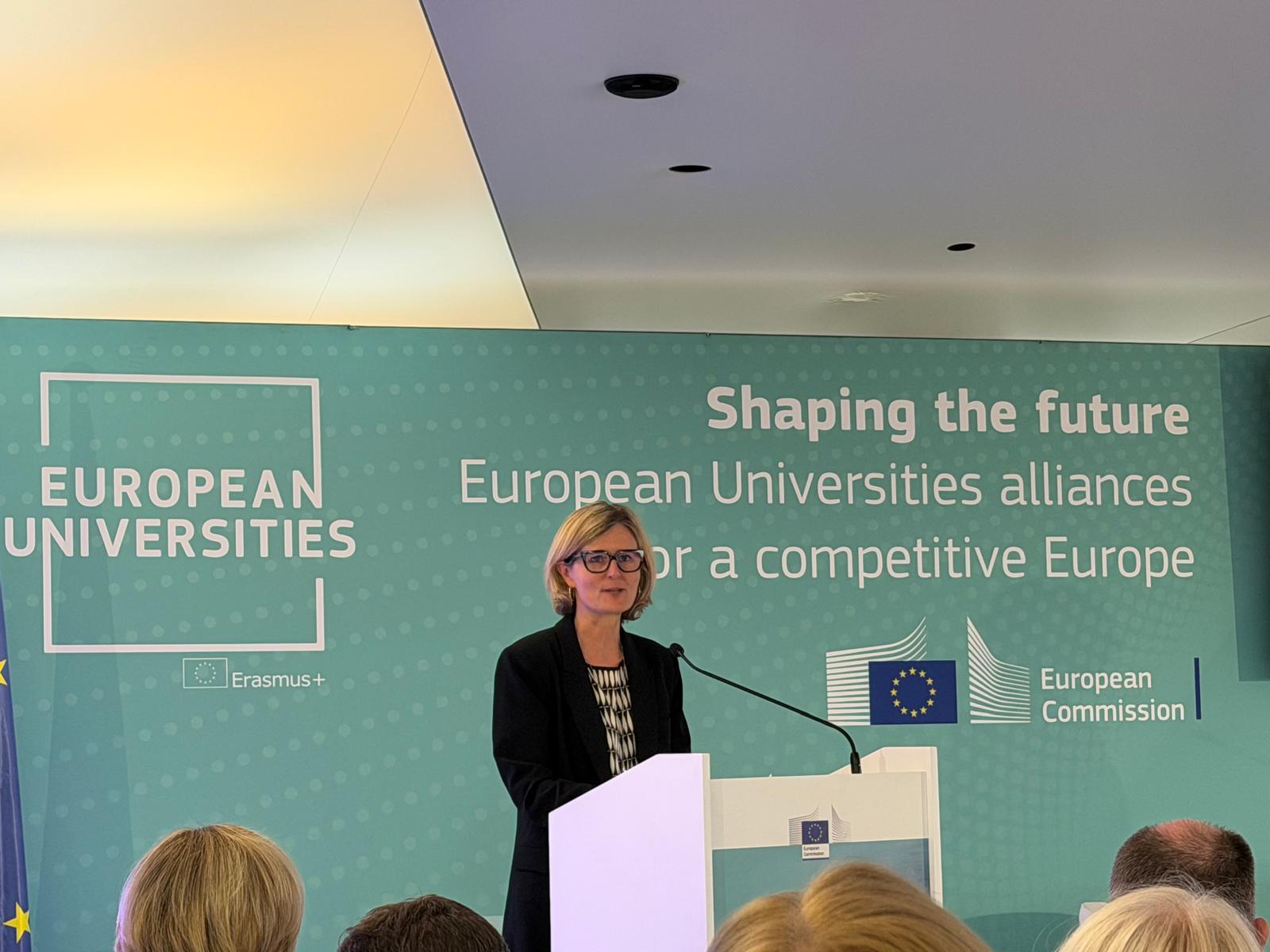
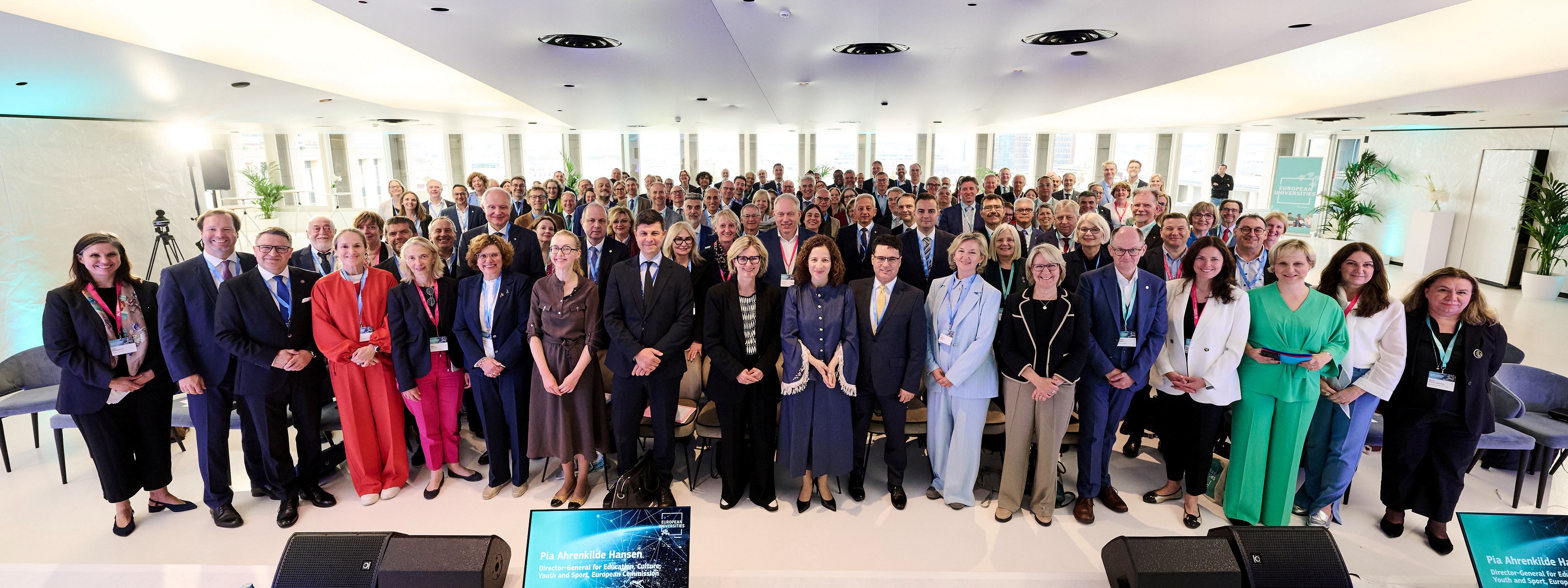
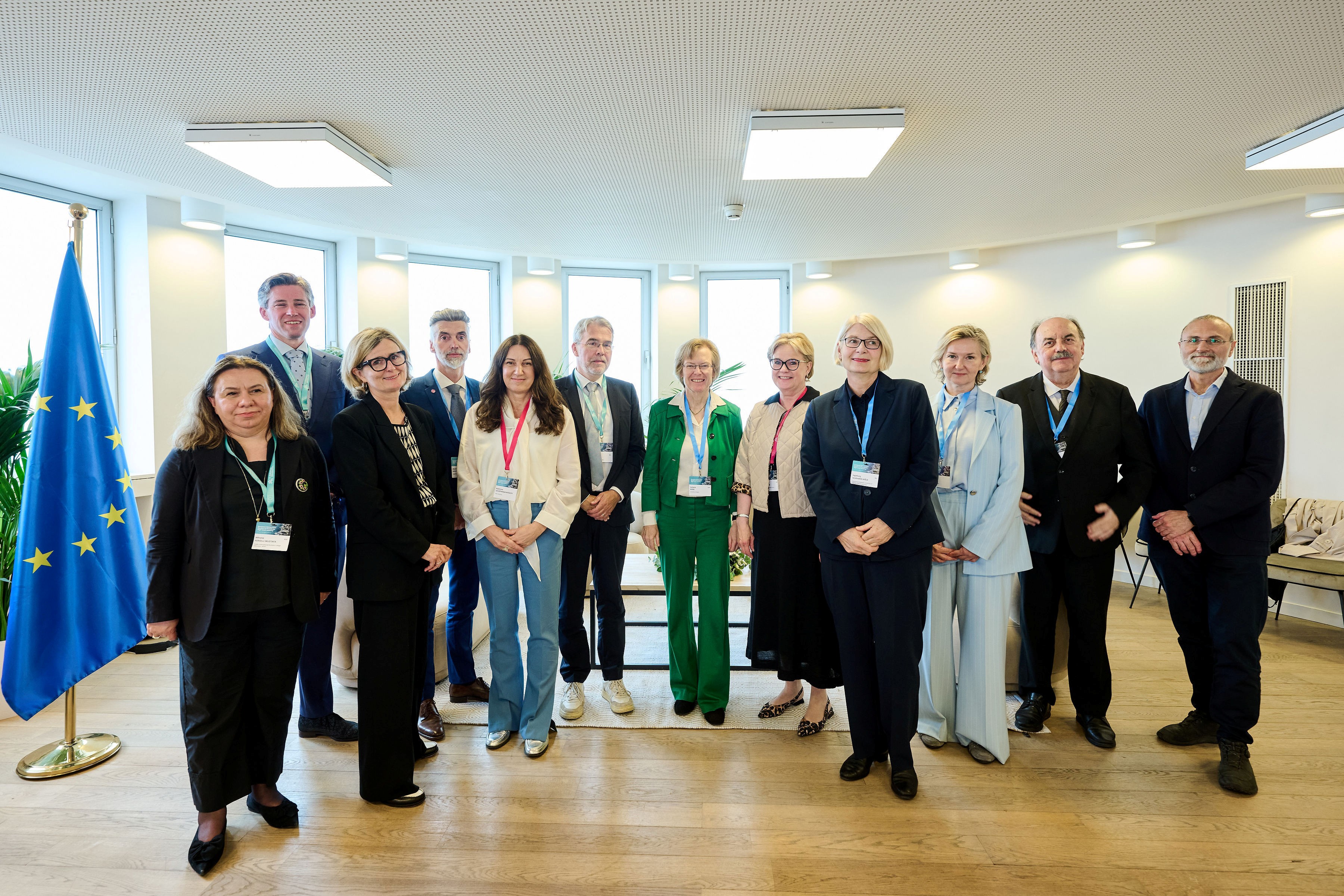
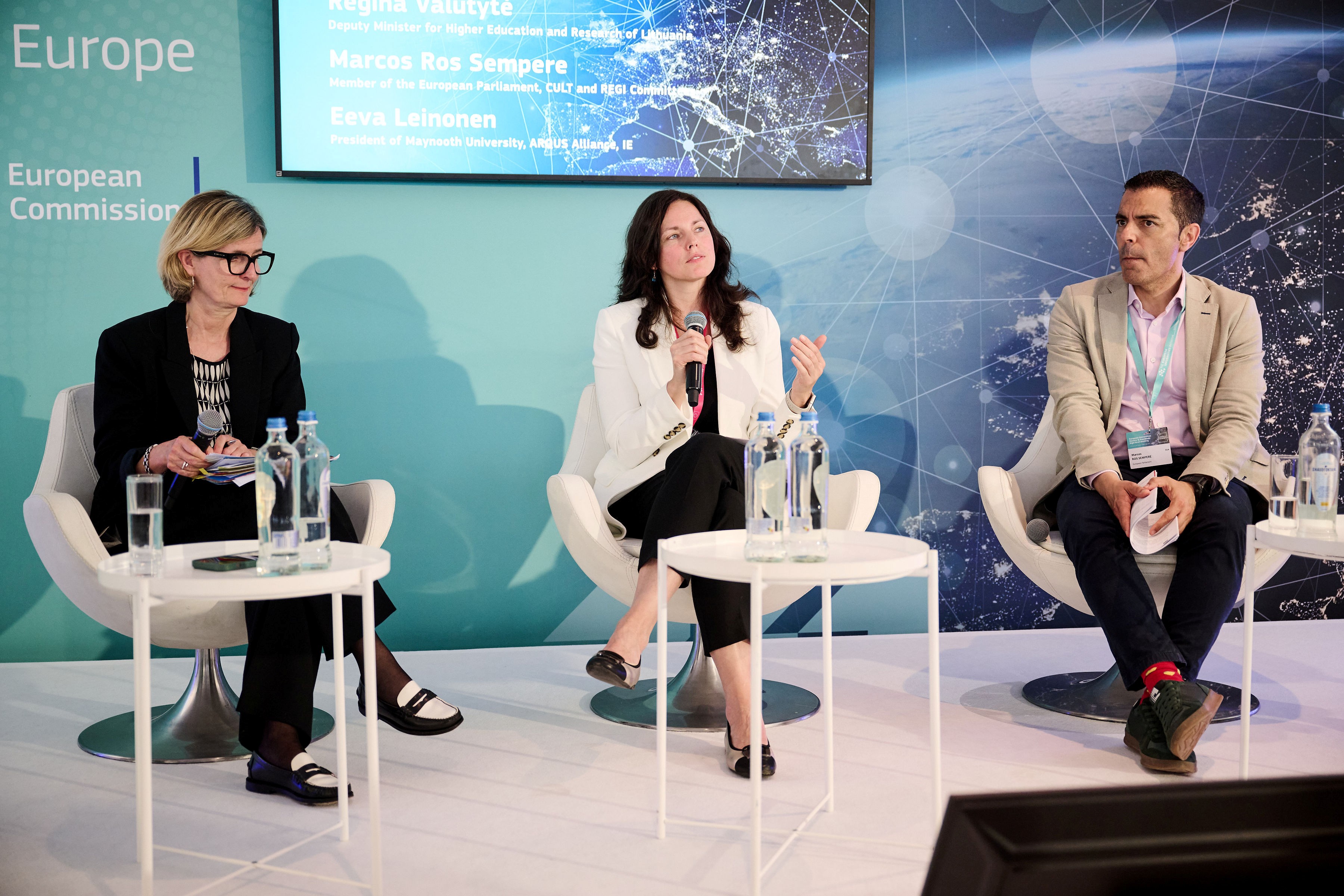
WSB University, the leader of the Q-Helix Alliance, took part in the prestigious European Universities Rectors & Presidents High-Level Meeting, held in Brussels on 10 June. Organised by the European Commission, the event brought together around 150 rectors and university presidents representing all 73 European Universities alliances. They met with representatives of the Commission to discuss the future of the European Universities initiative.
An Initiative of European Scale
European Universities are now among the European Union’s most important undertakings in the field of higher education. The initiative already brings together nearly 650 higher education institutions from 35 countries—including all European Union Member States—organised into 73 alliances. WSB University is proud to serve as the leader of one of them: the Q-Helix Alliance, which connects universities from ten European countries.
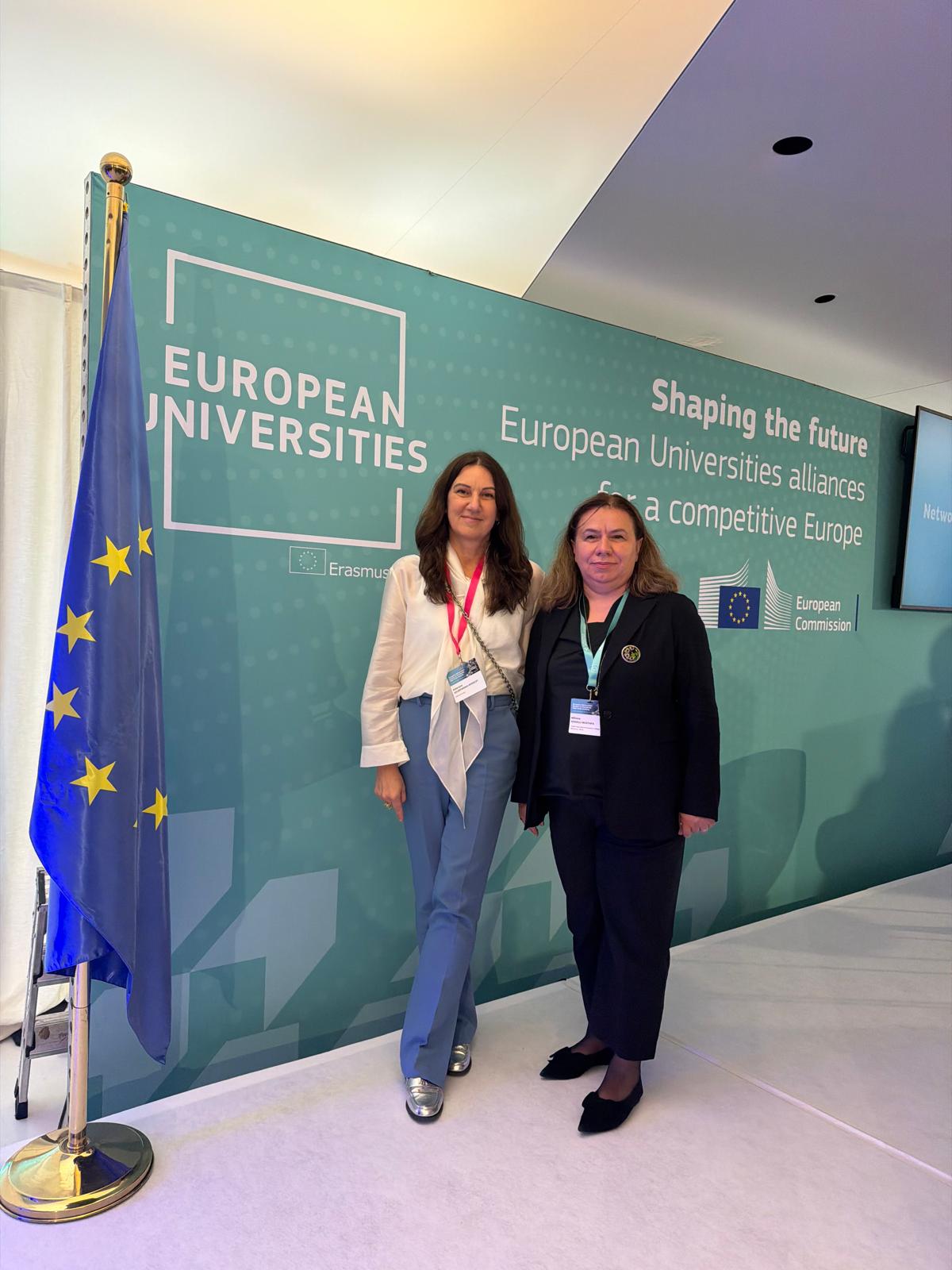
At the Brussels meeting, the Q-Helix Alliance was represented by:
- Prof. Katarzyna Szczepańska-Woszczyna, Vice-Rector of WSB University;
- Prof. Mihone Kerolli, Rector of the Public International Business College Mitrovica (Kosovo), one of the Alliance’s partner universities.
- The European Commission in Dialogue with Universities
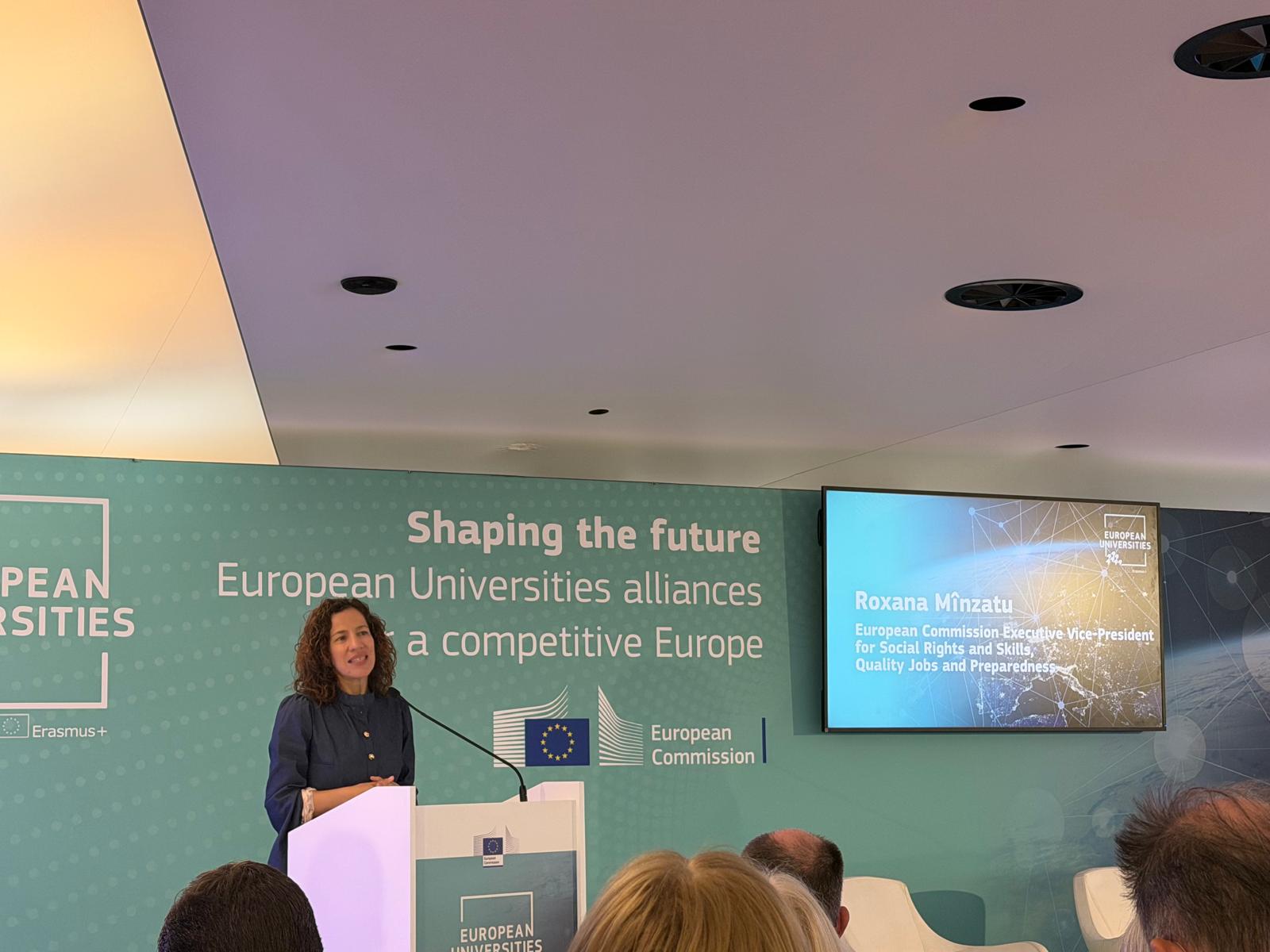
The meeting was attended by Roxana Mînzatu, Executive Vice-President of the European Commission for Social Rights and Skills, Quality Jobs and Preparedness, as well as representatives of the European Commission, the European Parliament, ministries and leaders of European universities.
The Brussels discussions marked another stage in the European Commission’s dialogue with the European Universities community. Earlier, on 14 April this year, the Commission brought together around 250 coordinators and representatives of the alliances in Brussels to discuss the practical implementation of the initiative, its funding and its further development beyond 2027.
Discussion Topics: Future Skills and Removing Barriers
The event programme included discussions on the future of the European Universities initiative, the development of the European Education Area, the concept of the European Degree, supporting talent mobility, as well as the role of universities in building Europe’s competitiveness through research and innovation.
The discussions among rectors and presidents focused on the next stage in the development of the alliances, future skills, innovation in education, research and academic mobility, as well as reducing legal and administrative barriers that hinder cooperation between universities across borders.
The Voice of the Academic Community
Prof. Bogumiła Kaniewska, Chair of the Conference of Rectors of Academic Schools in Poland (KRASP), drew attention both to the significance of the initiative and to the conditions necessary for its success.
European Universities demonstrate that academic cooperation can lead to the creation of a genuine European area of education and research. It is important, however, that the outcomes of this initiative strengthen the entire higher education system, are based on stable funding and respect university autonomy.
The future of the alliances will depend on long-term support, the removal of barriers between national systems and ensuring that universities have a genuine influence on the shape of European education and research policy, added the Head of KRASP.
What the Meeting Means for WSB University
For WSB University, participation in the event was of particular importance. The meeting provided an excellent opportunity to exchange experiences with other European Universities alliances, learn about the latest directions in the development of the European Union’s education policy, and present the experience gained in building and developing the Q-Helix Alliance.
It is particularly valuable that the European Commission is actively consulting representatives of the alliances on the directions for the development of European higher education. The universities forming the European Universities alliances are now laboratories of educational innovation, and their experience helps shape solutions that will be implemented across Europe in the future.
The development of the Q-Helix Alliance is also supported by the Polish National Agency for Academic Exchange (NAWA) under the European Universities Support Programme.