Blended Intensive Programmes (BIPs)
ERASMUS+ STORY
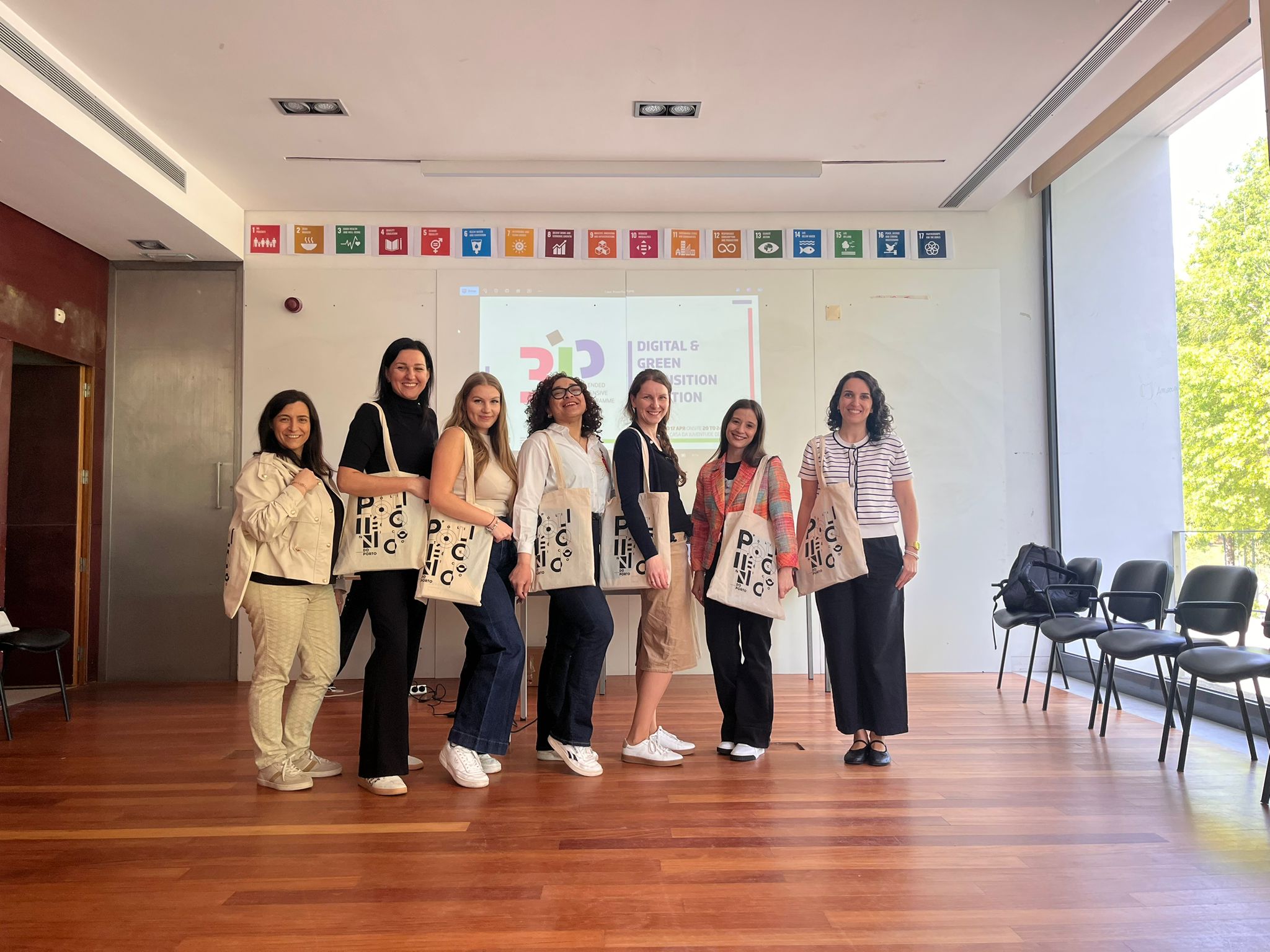
BIP Portugal, Porto
Topic: Digital & Green Transition in Action
Destination country: Portugal
University: Polytechnic of Porto
Date: 20–24 April 2026
READ MORE
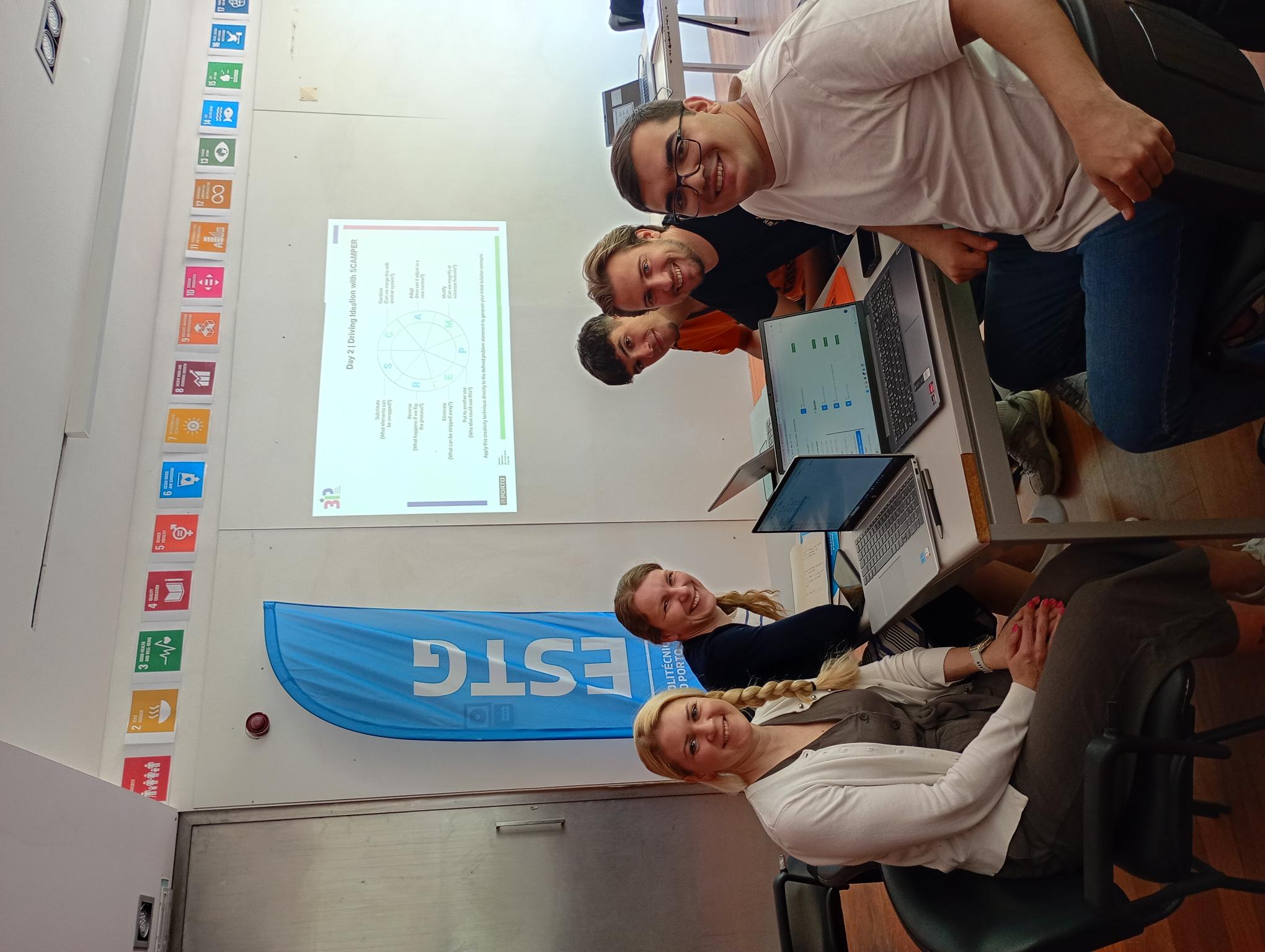
Digital & Green Transition in Action was a Blended Intensive Programme organised by the Polytechnic Institute of Porto. Its aim was to prepare students for Europe's twin transition: the digital and green transition.
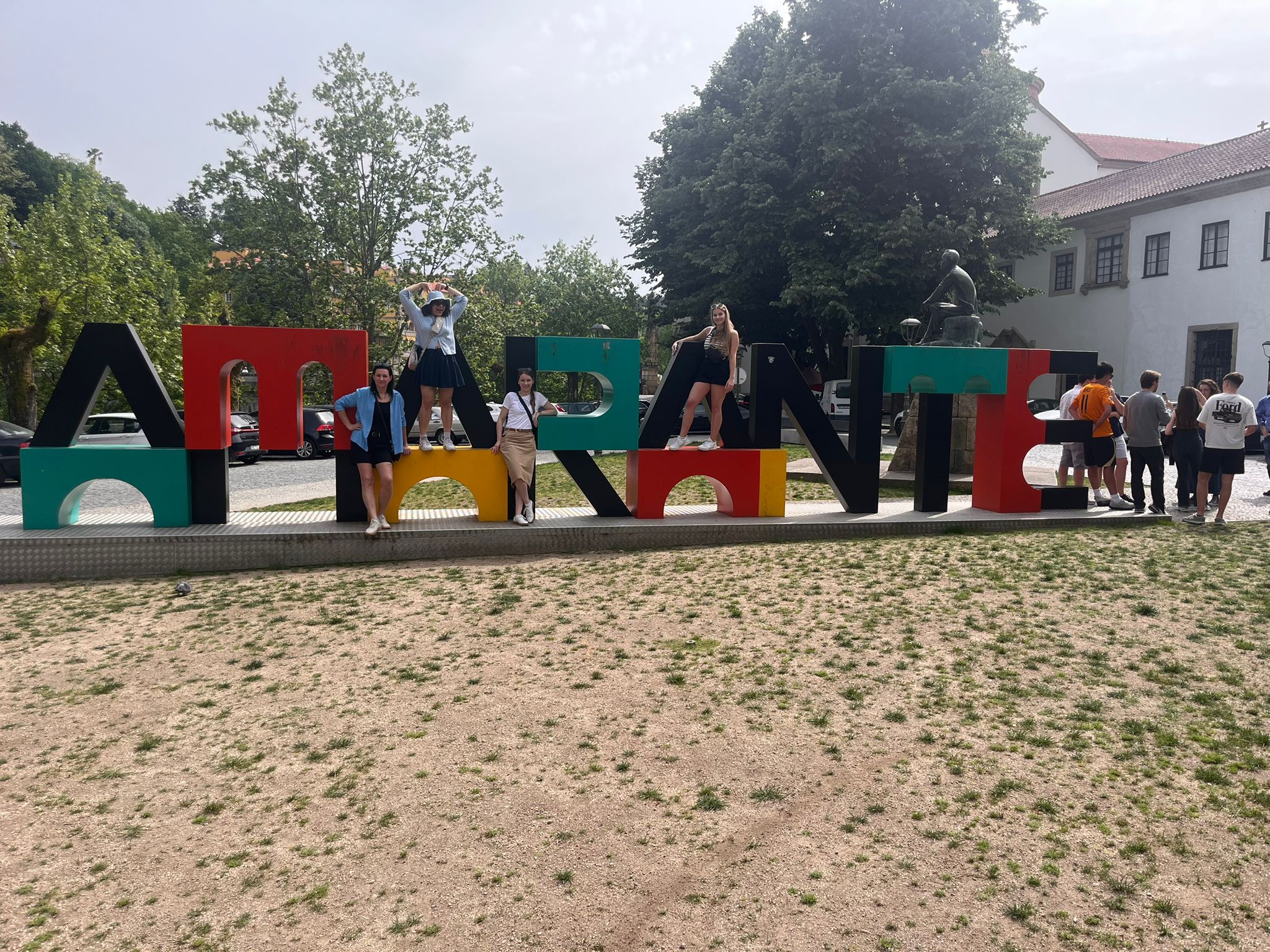
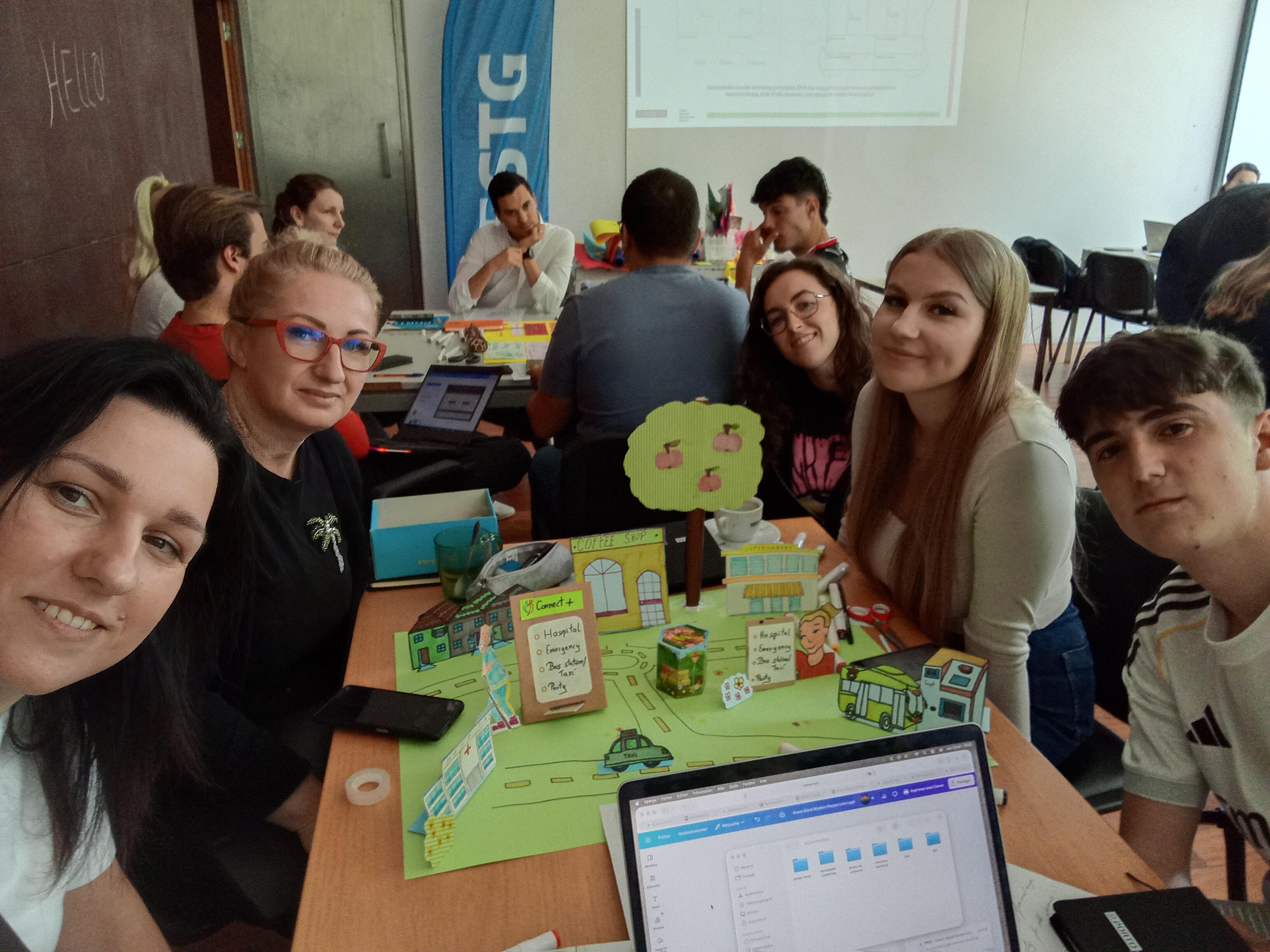
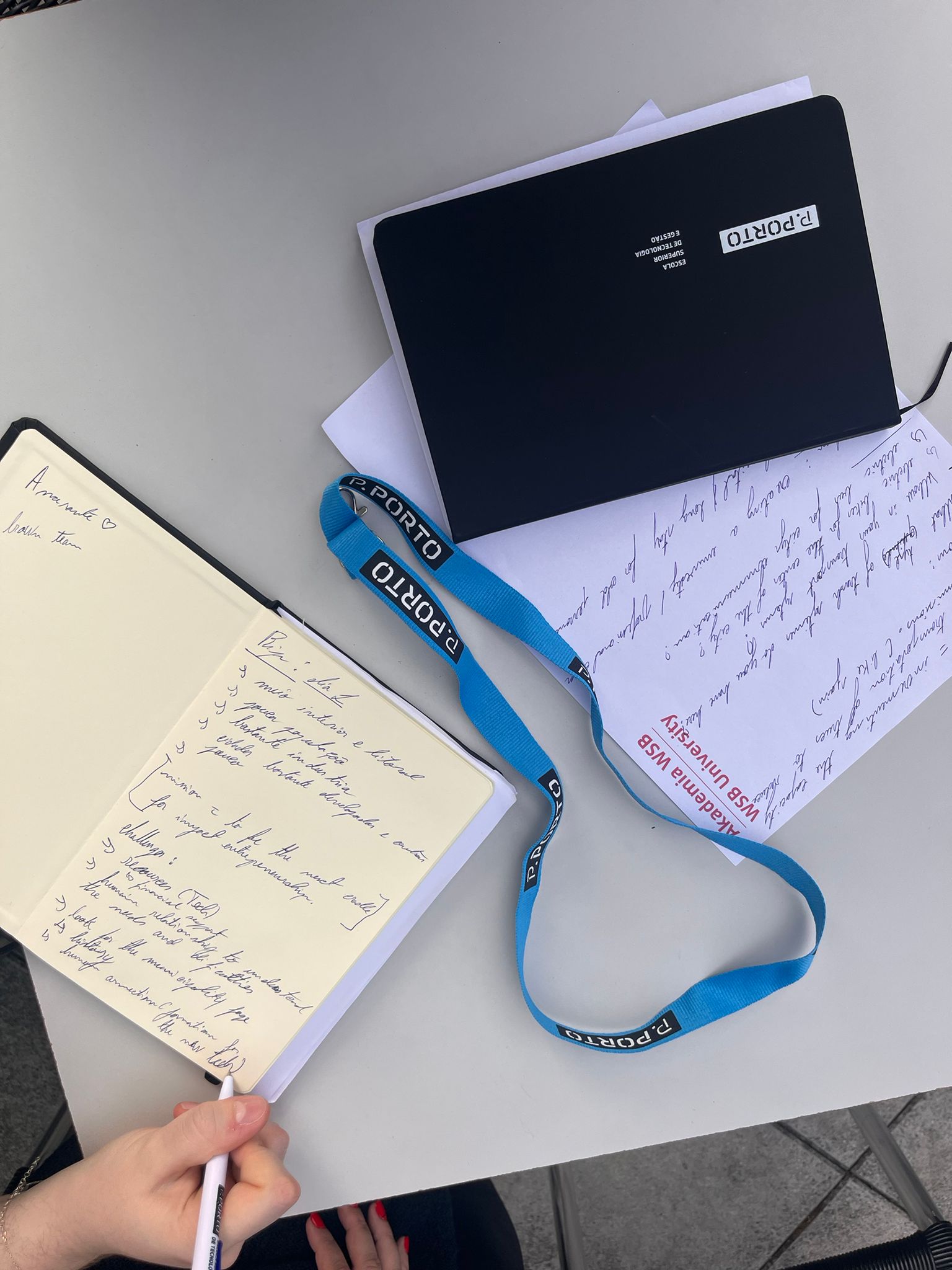
Participants worked in international teams on real-life challenges facing the Tâmega e Sousa region, choosing one of five areas: green consumerism, waste reduction, digital innovation in communities, digital skills development, and climate change resilience. The programme used the Challenge-Based Learning approach, combining online classes with workshops, field visits, and co-creation of prototypes in Amarante.
As a result, students developed practical solutions, SDG-based business models, as well as implementation and leadership plans. The programme helped develop competences in innovation, sustainable development, teamwork, and digital transformation.
During the programme, Akademia WSB was represented by female students from the AWSB Branch Campus in Cieszyn and a student from the Faculty of Applied Sciences in Dąbrowa Górnicza.
Gallery (swipe to the side ➔)
ERASMUS+ STORY
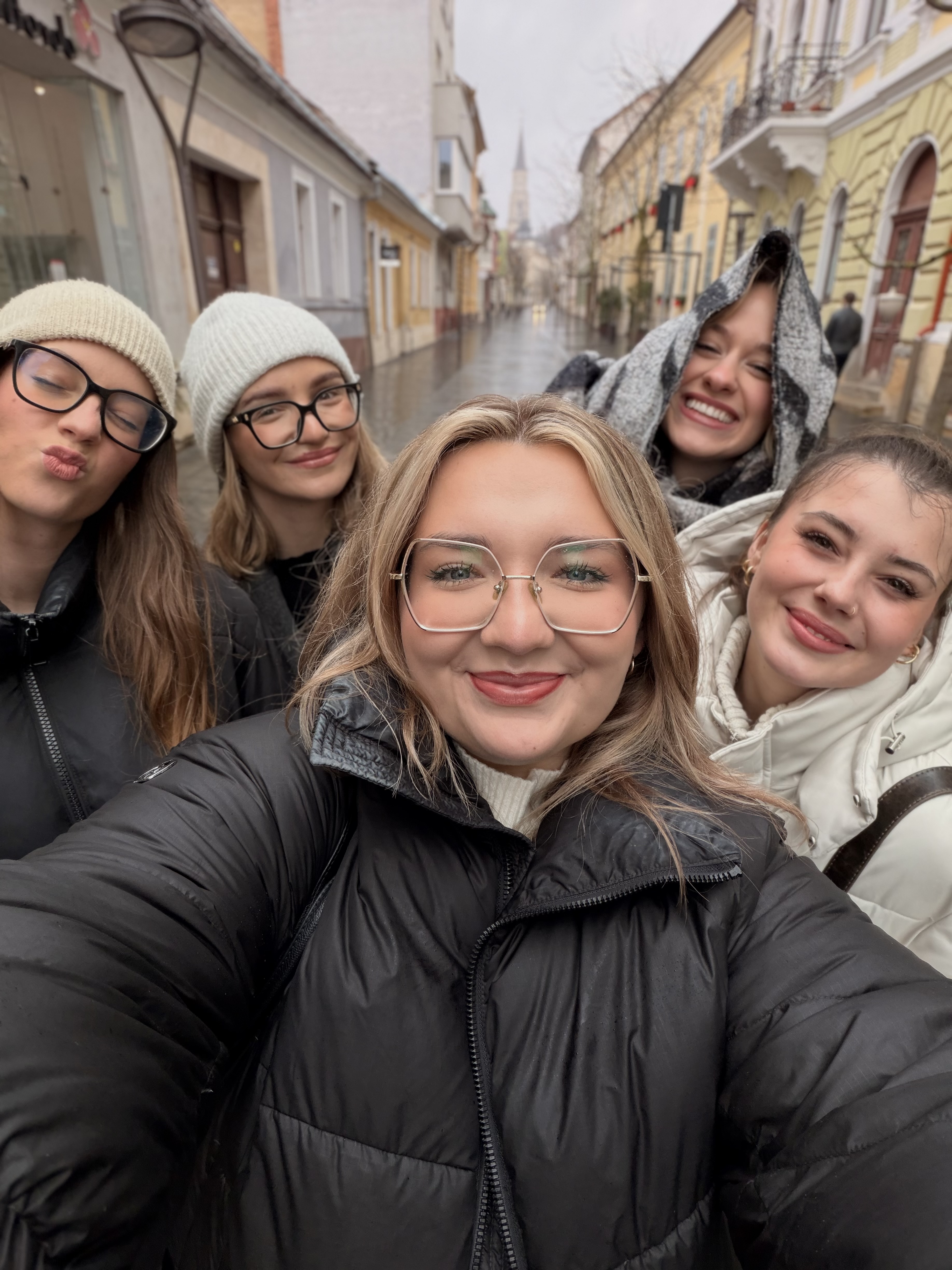
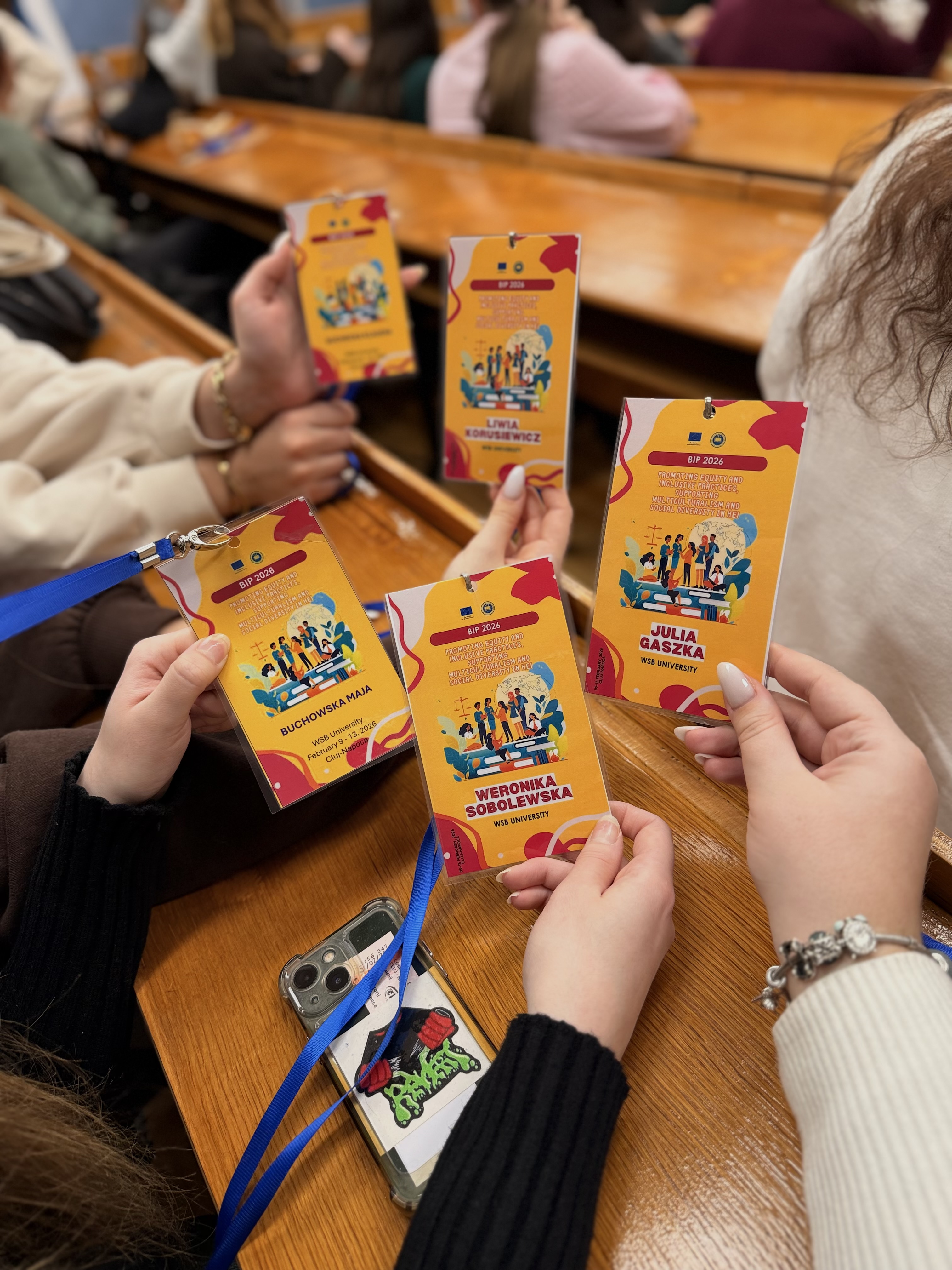
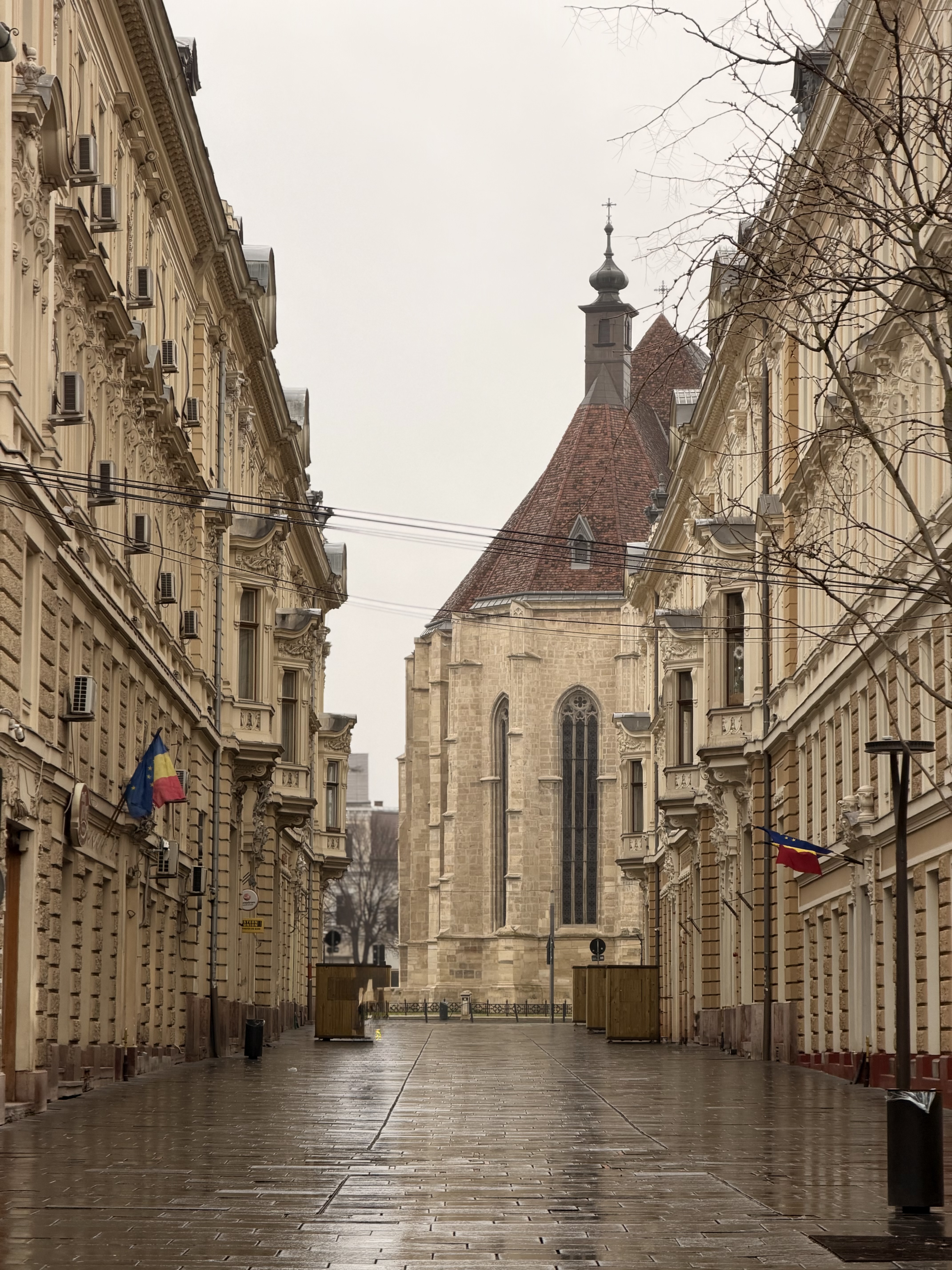
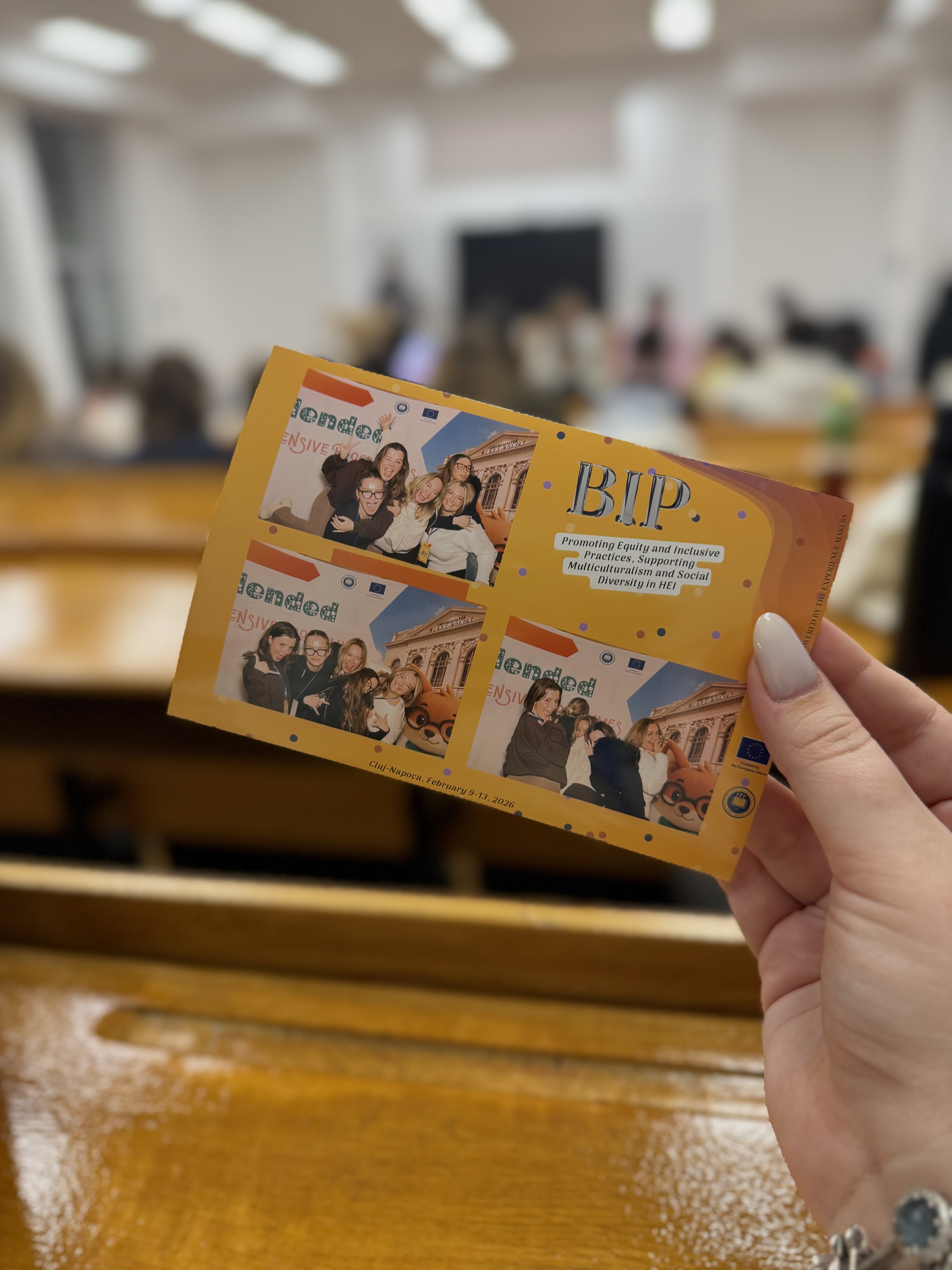
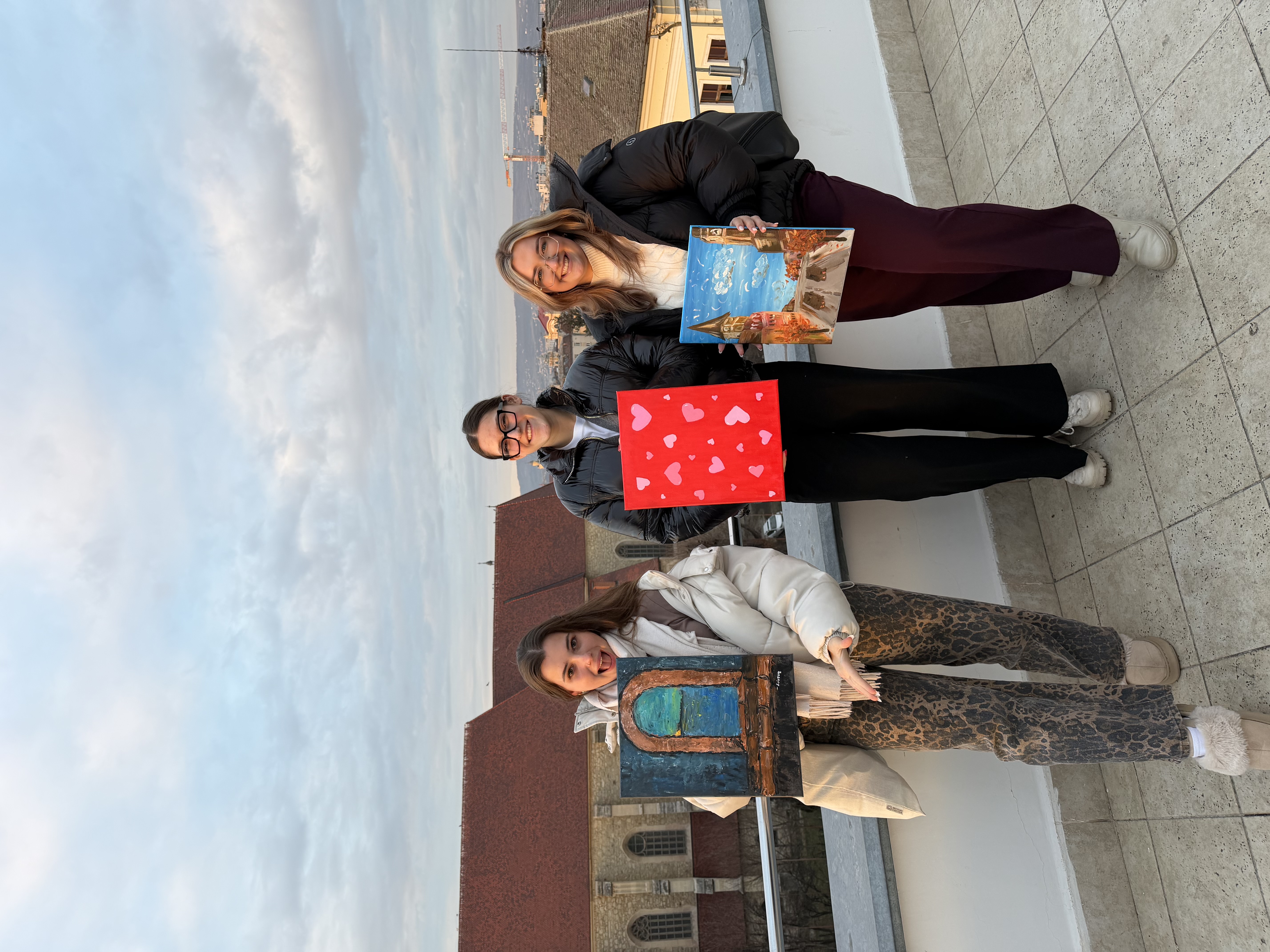
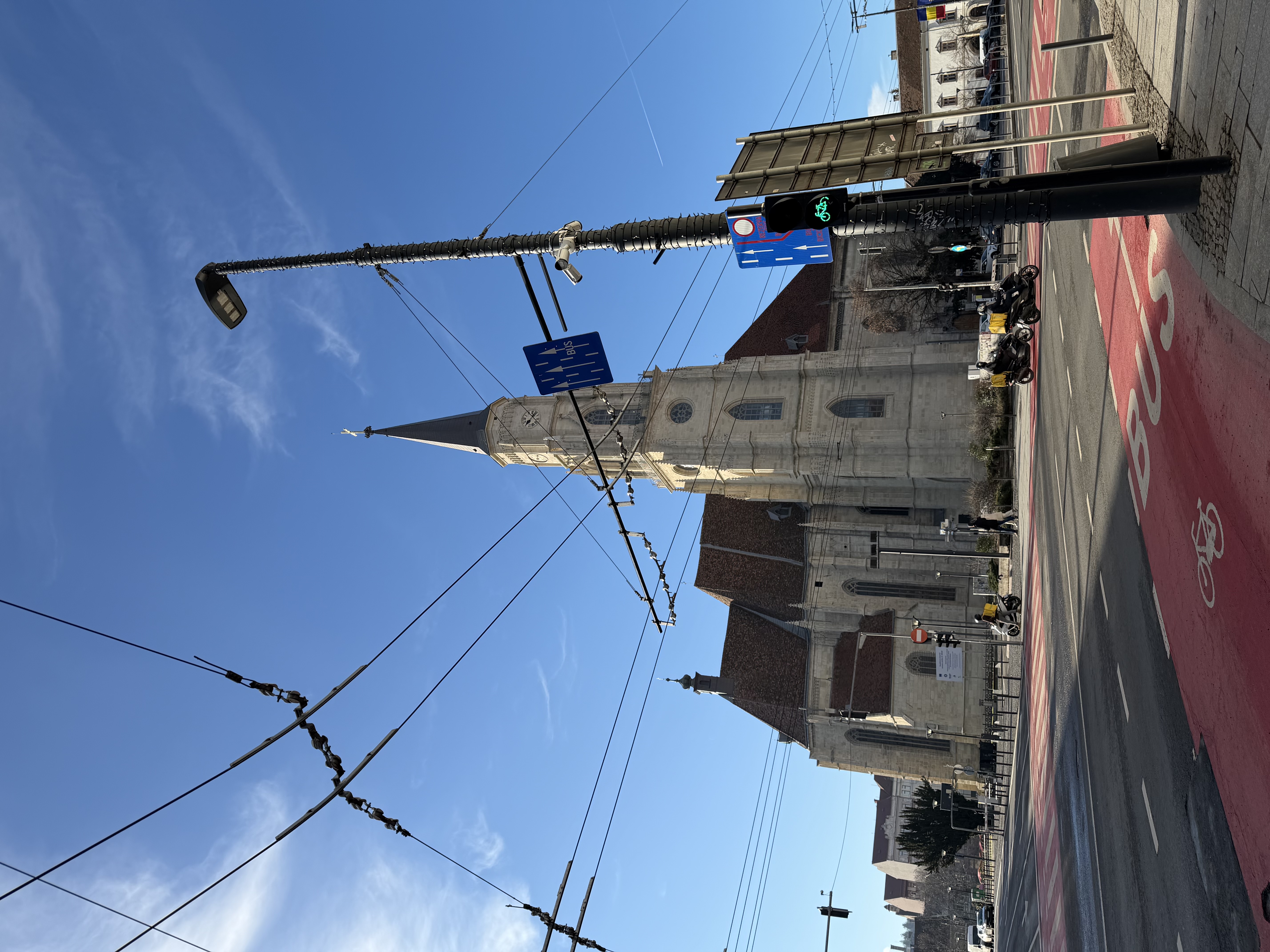
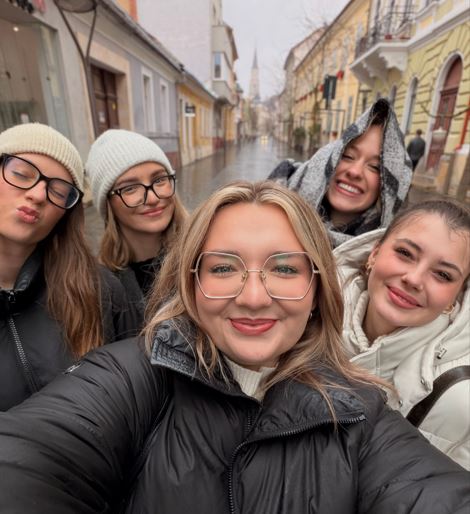
BIP Romania, Cluj-Napoca
Topic: Promoting Equity and Inclusive Practices, Supporting Multiculturalism and Social Diversity in Higher Education
Destination country: Romania
University: Babeș-Bolyai University
Date: 09-13.02.2026
READ MORE
Promoting Equity and Inclusive Practices, Supporting Multiculturalism and Social Diversity in Higher Education was an international Erasmus+ Blended Intensive Programme (BIP) held at Babeș-Bolyai University in Cluj-Napoca, Romania. The programme focused on issues of equality, diversity and inclusion in higher education. Participants developed competences related to working in multicultural environments, psychological safety, non-violent communication (NVC), supporting people with disabilities, and preventing stereotypes and social exclusion. The programme included an online component as well as an intensive week of on-site workshops, during which students worked on practical case studies, took part in international exchanges of experience, and gained knowledge about building an inclusive academic environment.
Gallery (swipe to explore ➔)