News
-
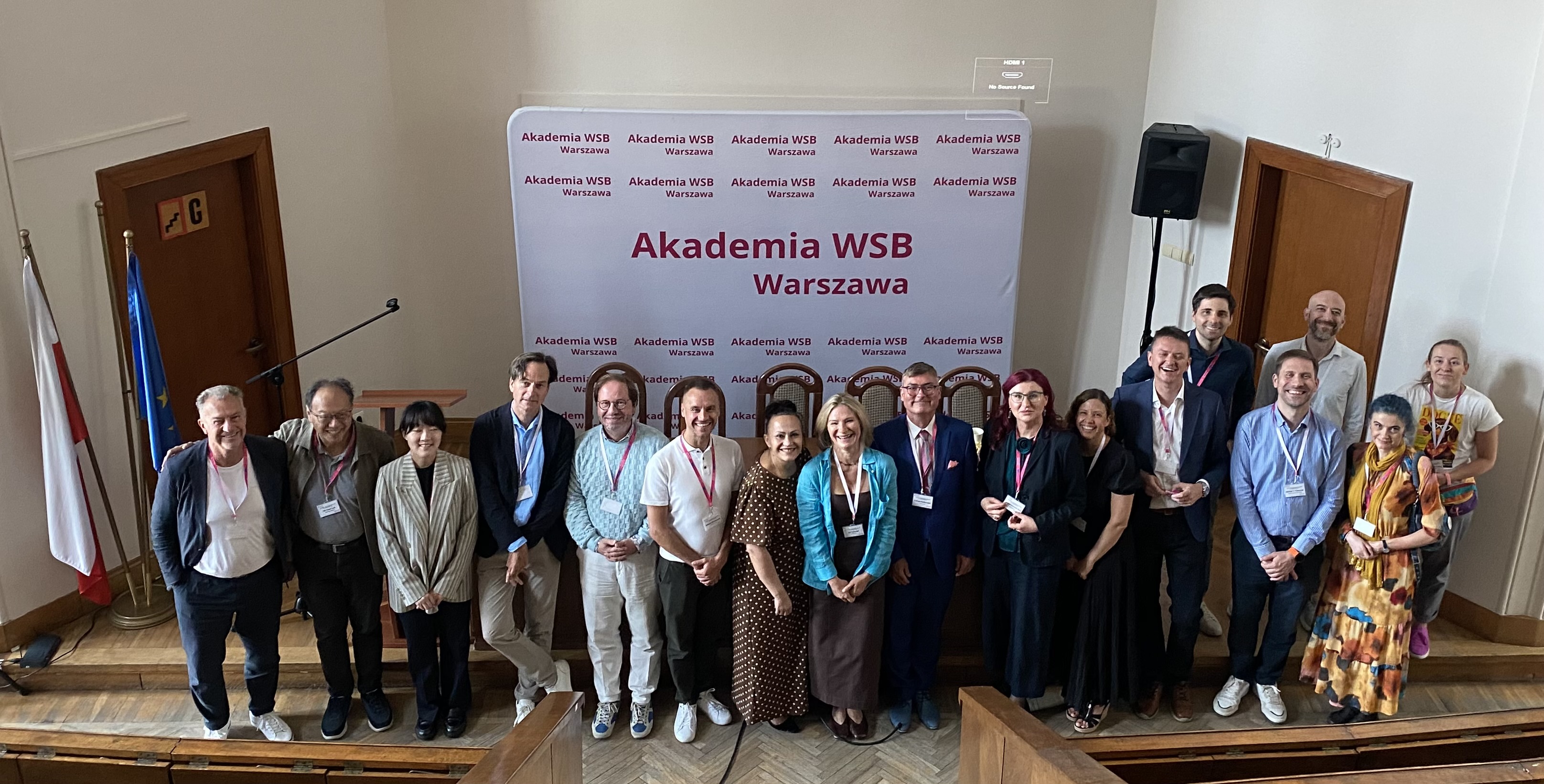
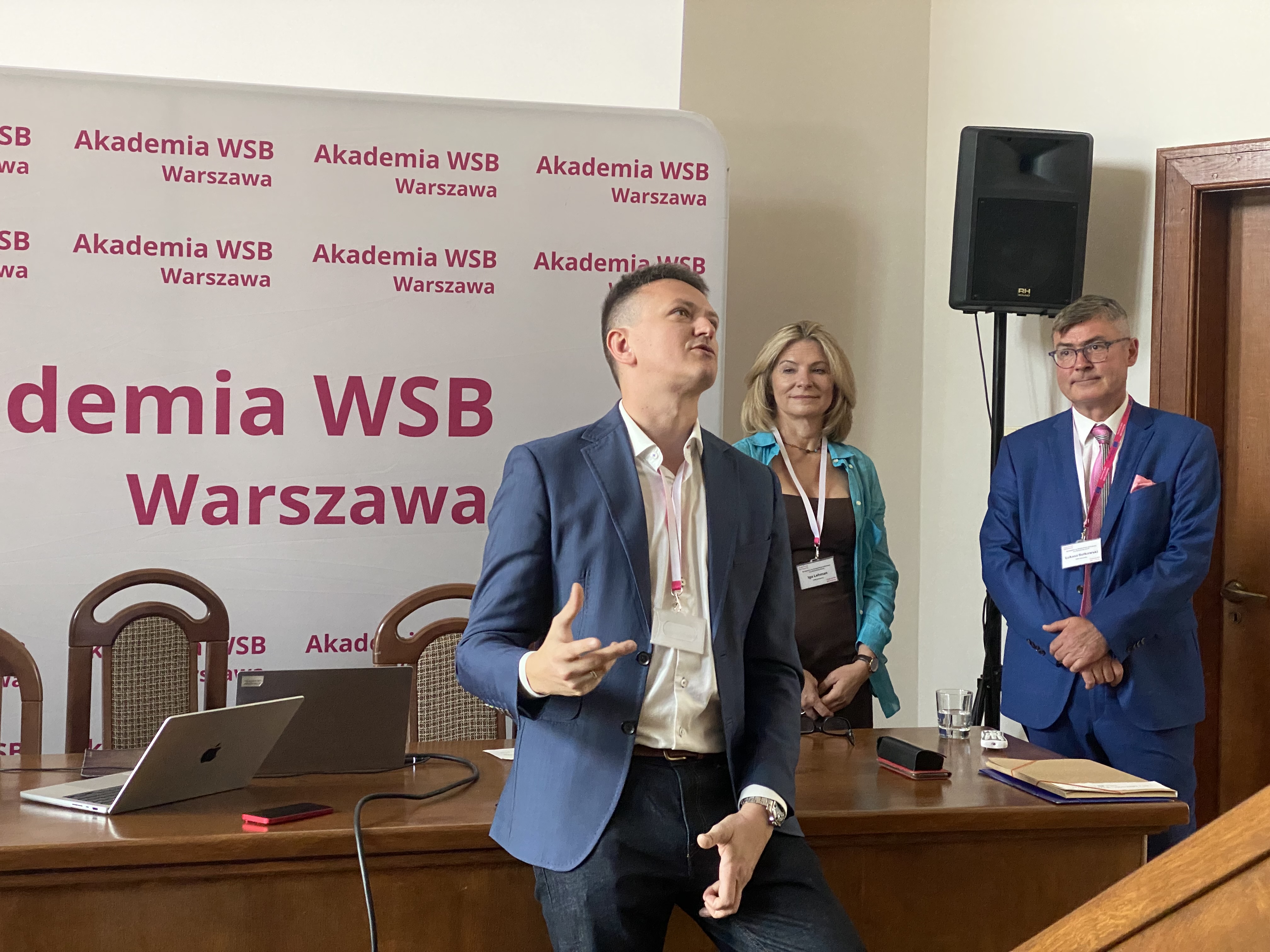
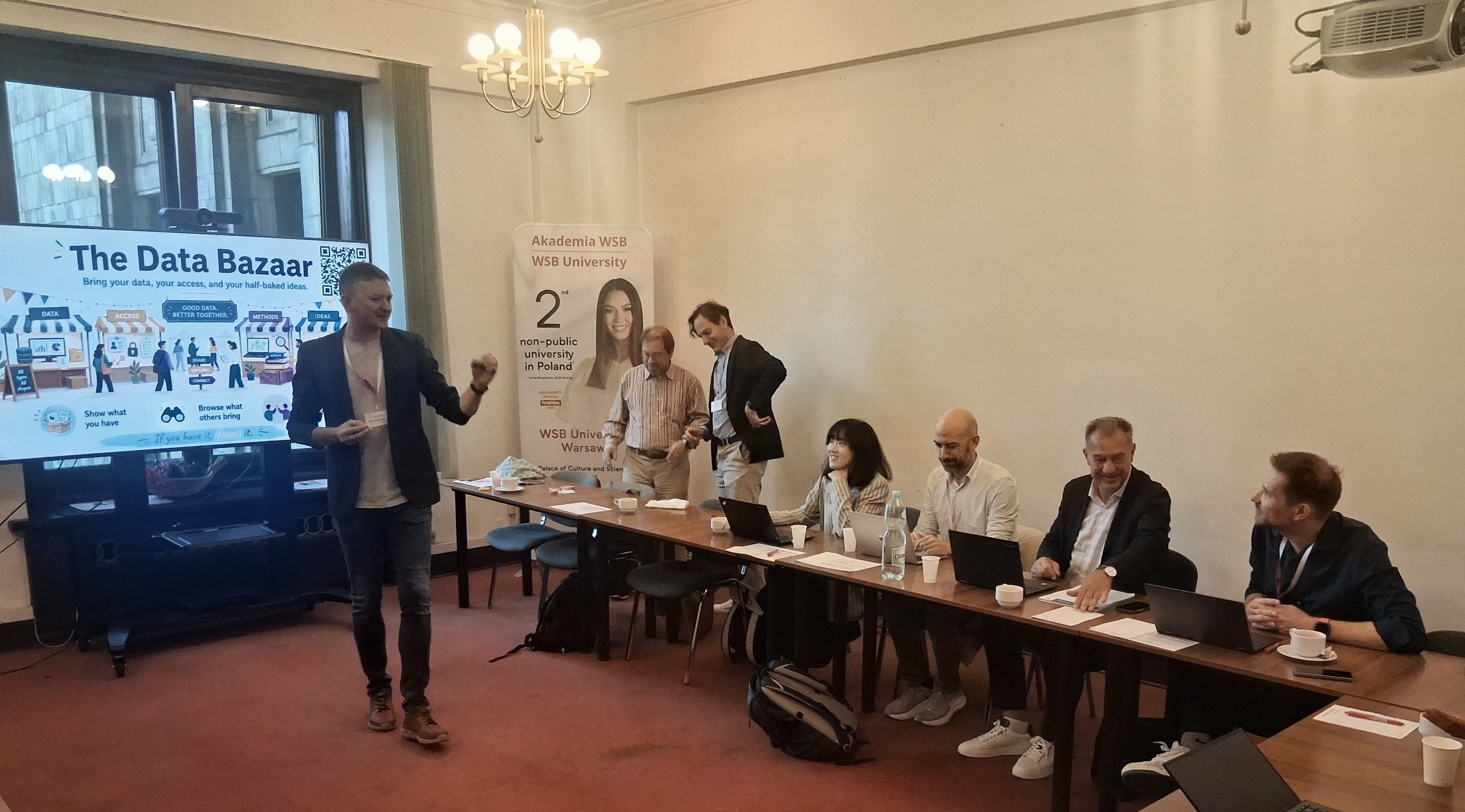
From July 6–8, 2026, the WSB University in Warsaw hosted the international symposium "Multicultural Individuals in a Globalizing World" organized by Prof. dr Iga Lehman from WSB University, and Prof. Mike Szymański, from the University of Illinois Urbana-Champaign, USA. During the symposium, WSB University was also represented by Prof. Łukasz Sułkowski, President of the WSB University, and Prof. dr. Joanna Kurowska-Pysz, Deputy Head of the Doctoral School.
The meeting served as a forum for discussion of multiculturalism research, including multicultural identities, the ethical aspects of living and working at the intersection of multiple cultures, acculturation processes, the careers of individuals operating in multiple cultural contexts, and the return of migrants to their countries of origin and their reintegration.
The event was attended by 20 scientists from Poland, Germany, Israel, China, and the United States, representing various scientific disciplines and academic centres. During the symposium, open panel discussions for PhD students at WSB University and Executive MBA postgraduate students were held, during which participants discussed contemporary challenges in multicultural research, academic career development, and the practical aspects of managing diversity in organisations with an international panel of experts. These panels were an important element in popularising research findings and integrating academia with management practice.
The event was organised as part of the activities of the Q-Helix European Universities Alliance, led by the WSB University.

-
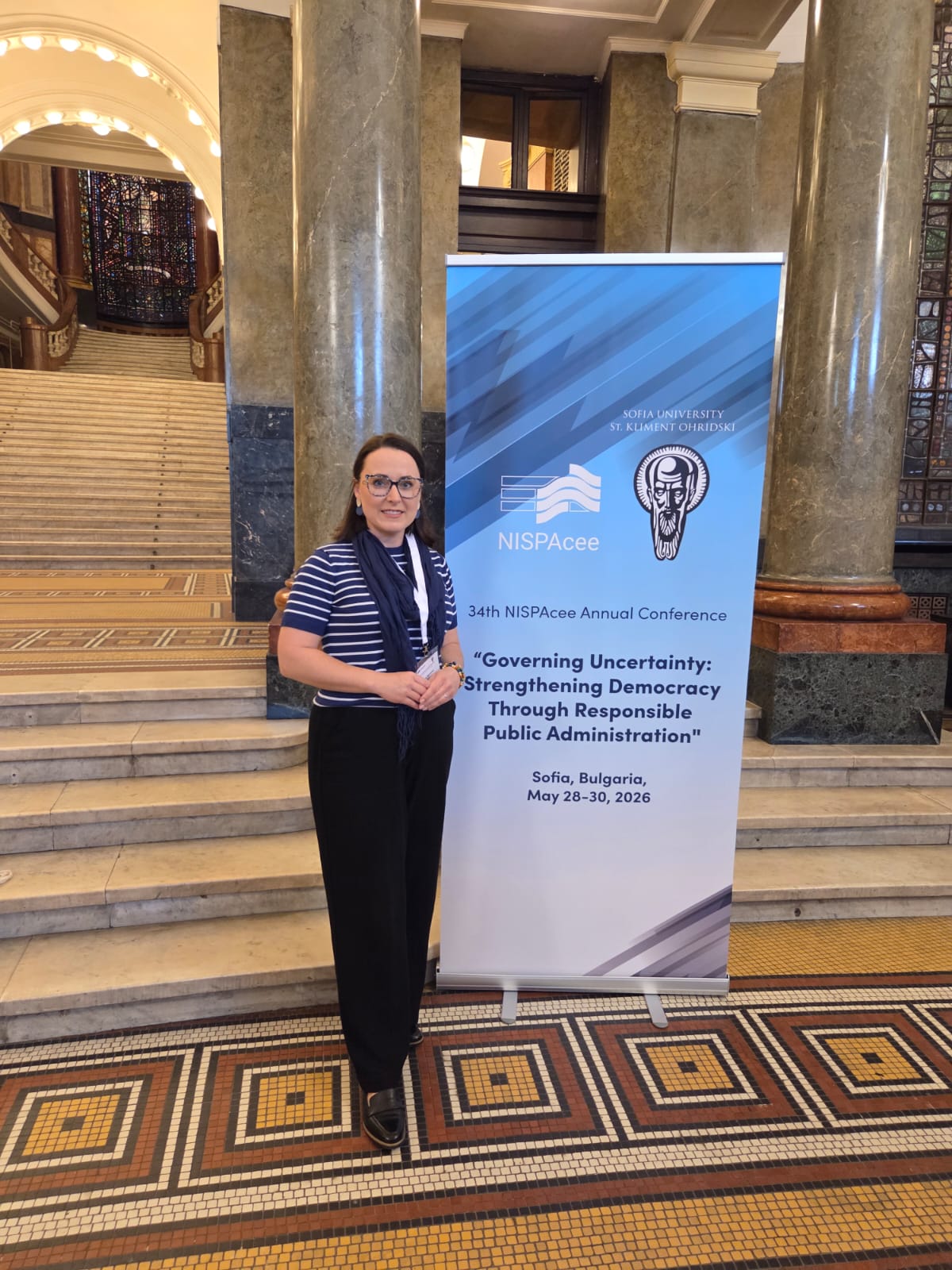
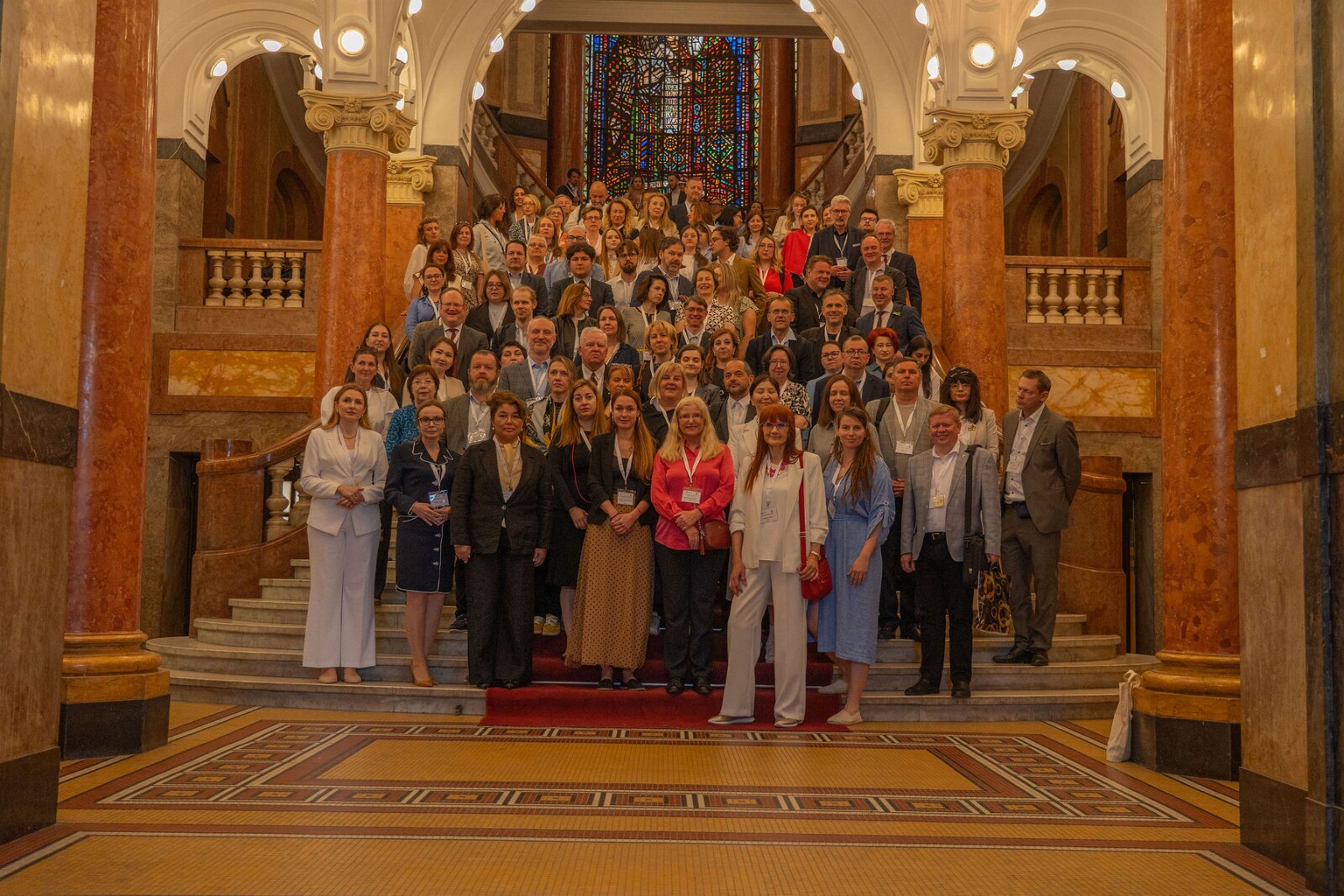
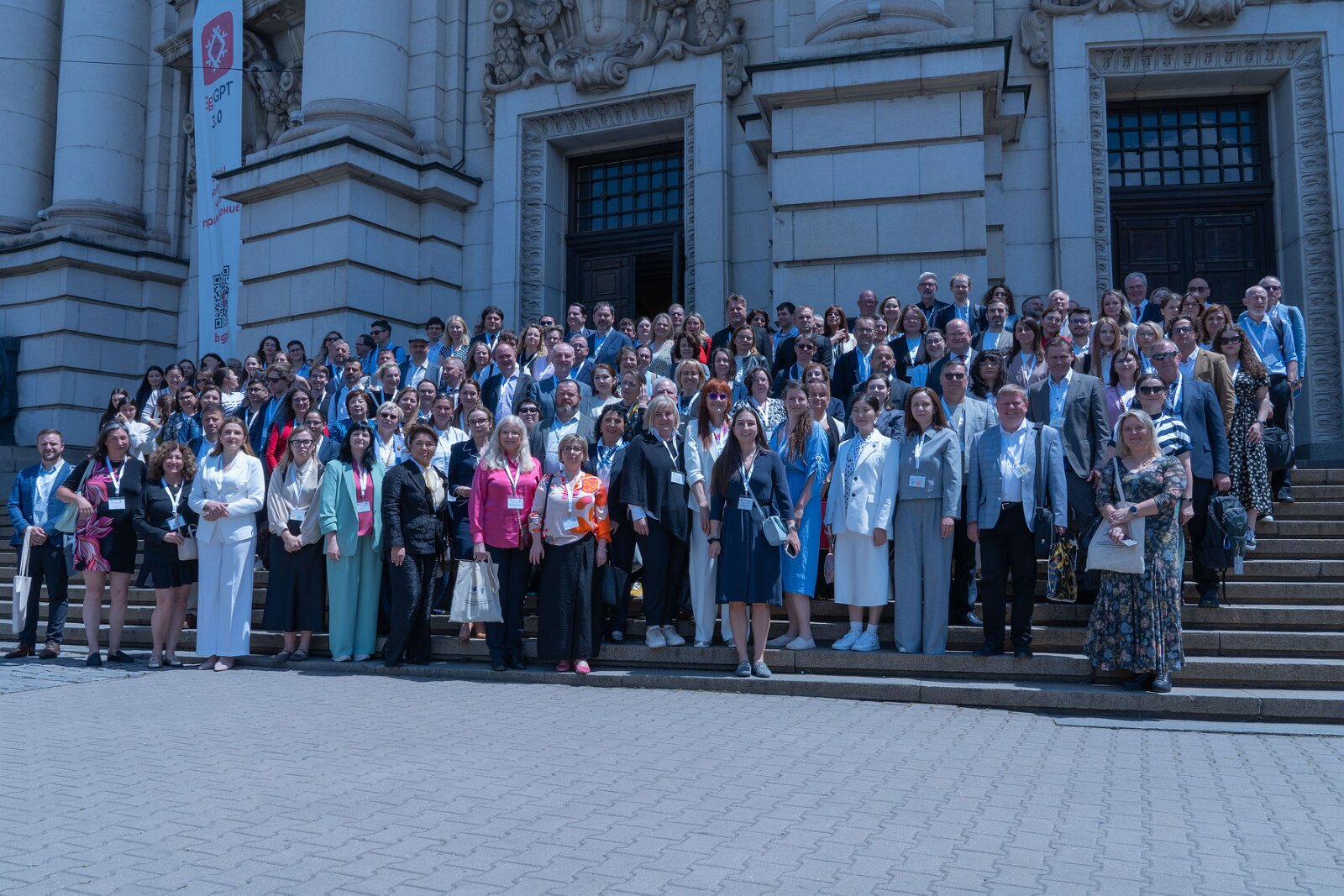
Agnieszka Ganiek, MA, MBA, a doctoral student at the Doctoral School of WSB University, participated in the 34th NISPAcee Annual Conference 2026, which took place on 28–30 May 2026 in Sofia, Bulgaria. The event was organized in cooperation with Sofia University “St. Kliment Ohridski”, and its main theme was “Governing Uncertainty: Strengthening Democracy Through Responsible Public Administration”, focusing on governance under conditions of uncertainty and the strengthening of democracy through responsible public administration.
The NISPAcee Conference is one of the important international academic events devoted to public administration, public management and public policy, with particular emphasis on the experiences of Central and Eastern European countries. Its uniqueness lies in combining academic, research and practical perspectives. The conference brings together researchers, doctoral students, experts, representatives of public institutions and public administration practitioners, creating a space for in-depth reflection on contemporary challenges faced by the state, local government and civil society.
Participation in the conference provided an opportunity to learn about different perspectives on public policies, local democracy, administrative reforms, the quality of public services, digitalization, civic participation and cross-sectoral cooperation. Particularly valuable was the opportunity to confront experiences from different countries and research communities. The discussions held during the conference showed that similar challenges, such as declining trust in institutions, social polarization, the need to strengthen social resilience and the necessity of building more responsive governance models, can be analyzed from many different scientific and practical perspectives.
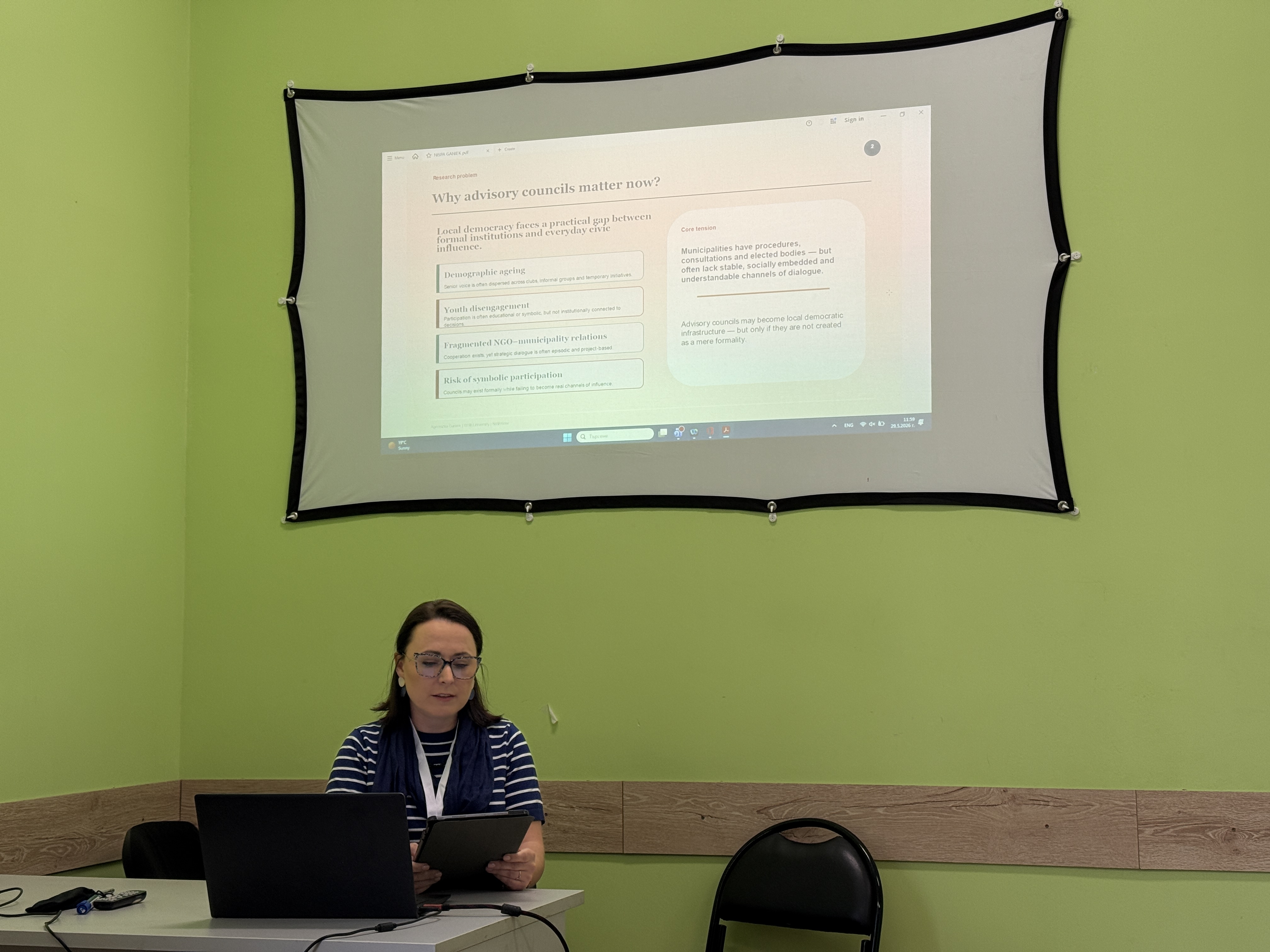
During the conference, Agnieszka Ganiek, MA, presented her original paper on the role of a locally embedded non-governmental organization as a democracy broker in the process of initiating, co-designing and supporting advisory bodies in local government. The presentation was based on a qualitative case study of Mikołów County, where Fundacja GaSzo participated in the development of civic dialogue councils.
The paper discussed strategies used by the non-governmental organization in the process of animating local cooperation, strengthening the representativeness of advisory bodies and building lasting relationships between residents, civil society organizations and local government units. The opportunity to present her own paper at an international forum had particular academic and developmental value. It made it possible not only to present experiences developed in a local environment, but also to confront them with the perspectives of researchers and practitioners dealing with public administration, local democracy and public management in other countries.
The subject matter of the conference is directly related to the doctoral student’s individual research plan, which concerns the management of the deinstitutionalization of social services and the conditions for the model implementation of the Centre for Social Services, based on the example of the Municipality of Mikołów. Both deinstitutionalization and the development of Centres for Social Services require an in-depth analysis of cooperation mechanisms between public administration, non-governmental organizations, residents and other local stakeholders. In this context, issues such as participation, co-governance, co-production of public services, building local cooperation networks and strengthening the institutional capacity of local government are of particular importance.
Participation in the 34th NISPAcee Conference was an important academic and developmental experience for the doctoral student of WSB University. The event made it possible to deepen reflection on responsible public administration, local democracy and public management under conditions of uncertainty, while at the same time confirming the importance of research conducted at the intersection of science, local government practice and the activities of civil society organizations.
Participation in the conference was made possible thanks to funding provided under the project “Comprehensive Support for the Development of WSB University in Line with the Needs of the Green and Digital Economy.”
-
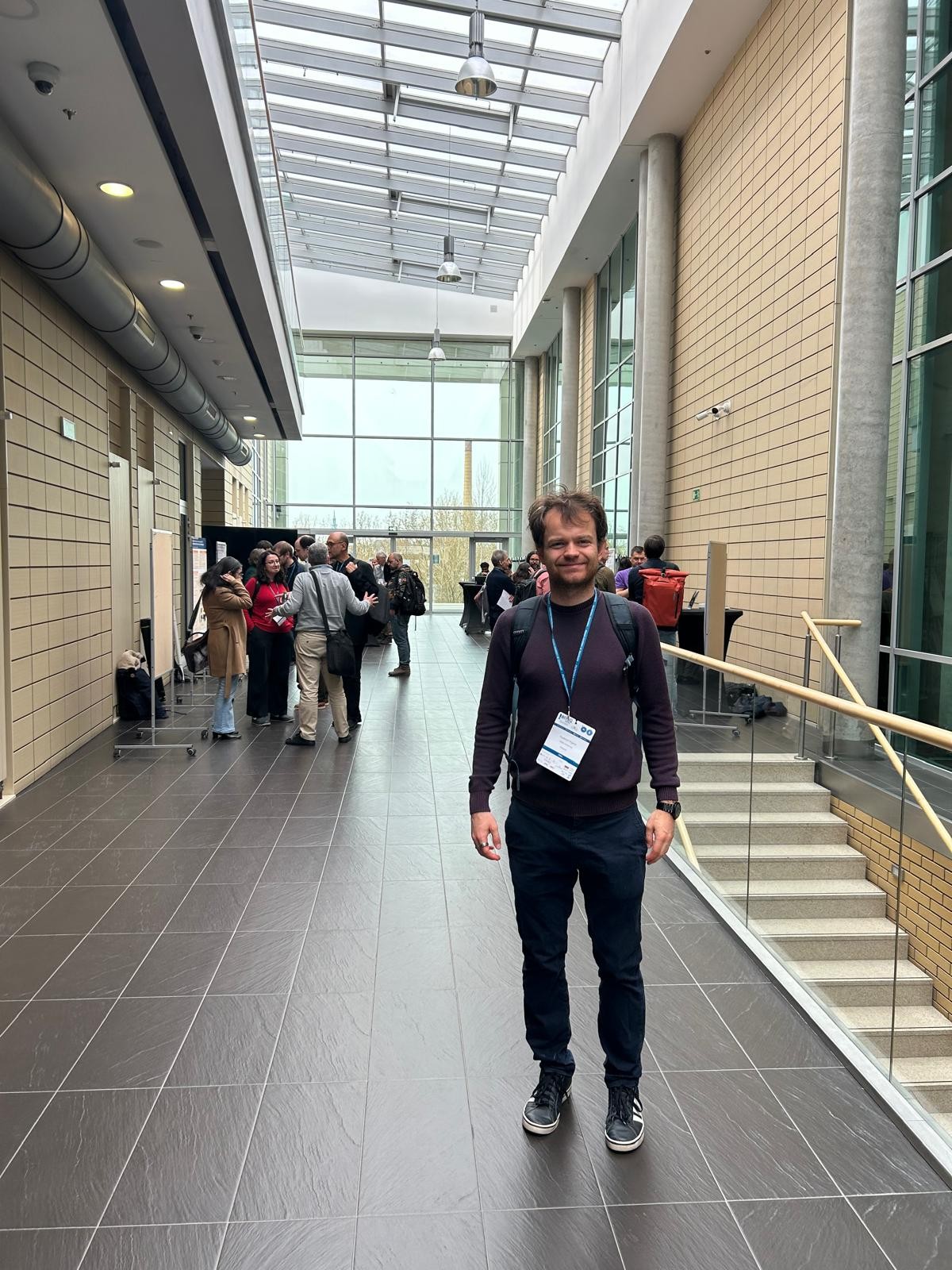
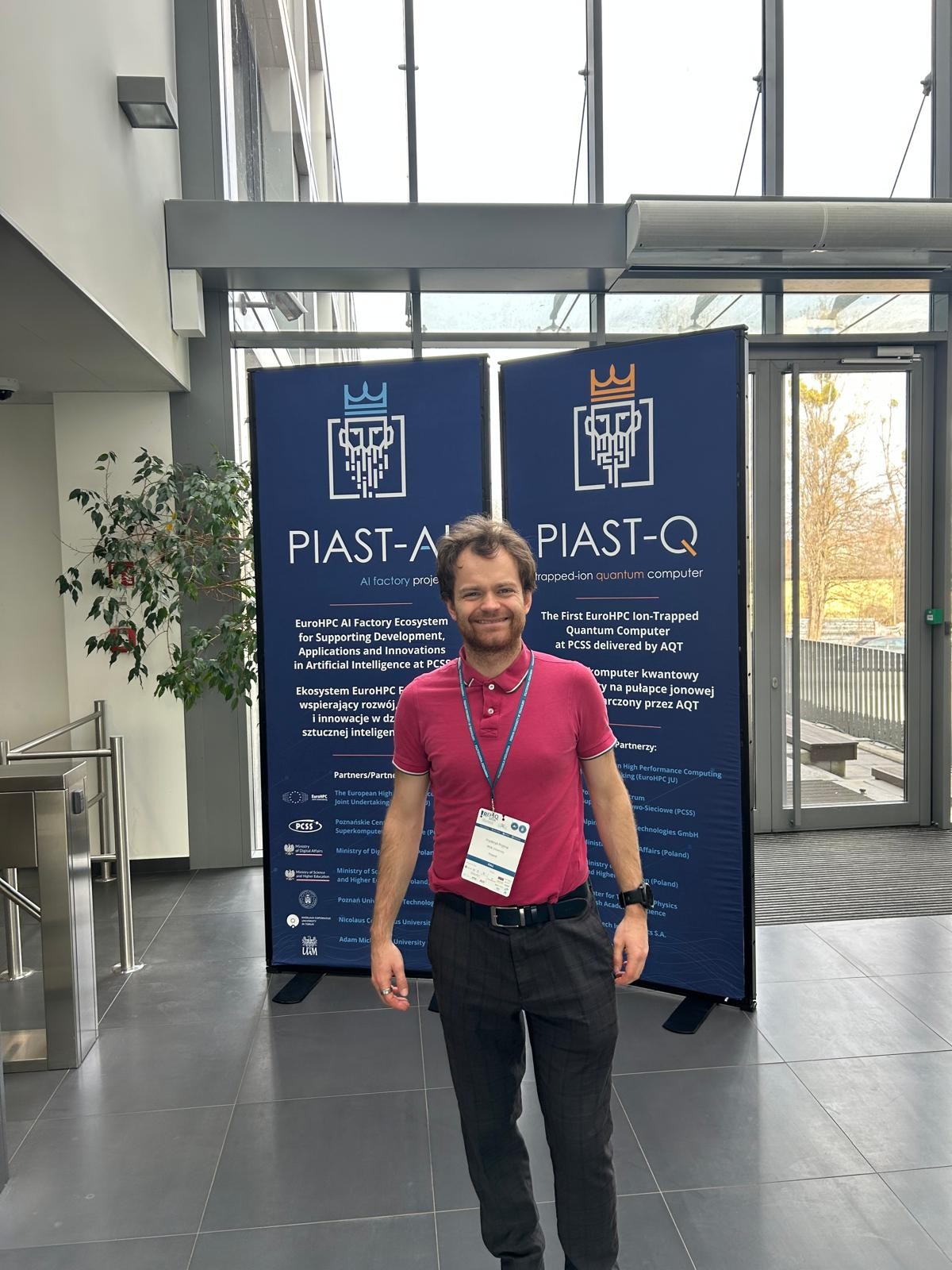
Fryderyk Pryjma, MEng, a PhD candidate at the Doctoral School of WSB University, took part in REFSQ 2026 – the 32nd International Working Conference on Requirements Engineering: Foundation for Software Quality, held in Poznań from 23 to 26 March 2026. As part of the conference programme, he presented his work during the Doctoral Symposium, delivering a talk entitled “LLM-Supported Organizational Learning in IT Service Organizations within Open Innovation: A Requirements-Related Artifact Perspective.”
REFSQ 2026 is a recognised European conference on requirements engineering, bringing together researchers and industry practitioners. Its programme included several days of scientific sessions, workshops, expert meetings, and presentations, creating a valuable space for exchanging knowledge, discussing research directions, and confronting ideas with an international audience.
For Fryderyk Pryjma, participation in the conference was an opportunity to present his research assumptions, discuss the challenges related to his doctoral work, and consult his perspective with scholars representing different fields, from computer science to management and quality studies. The international and interdisciplinary nature of the event made it a meaningful experience supporting the further development of his research workshop.
An important part of the programme was also the visit to the Poznań Supercomputing and Networking Center, officially listed in the conference agenda. Poznań is home to PIAST-Q, described by the European Commission as the first EuroHPC quantum computer inaugurated in Poland and connected with the center’s supercomputing infrastructure. This part of the conference offered an additional opportunity to engage directly with advanced computing infrastructure and to broaden the technological perspective of the event.
-
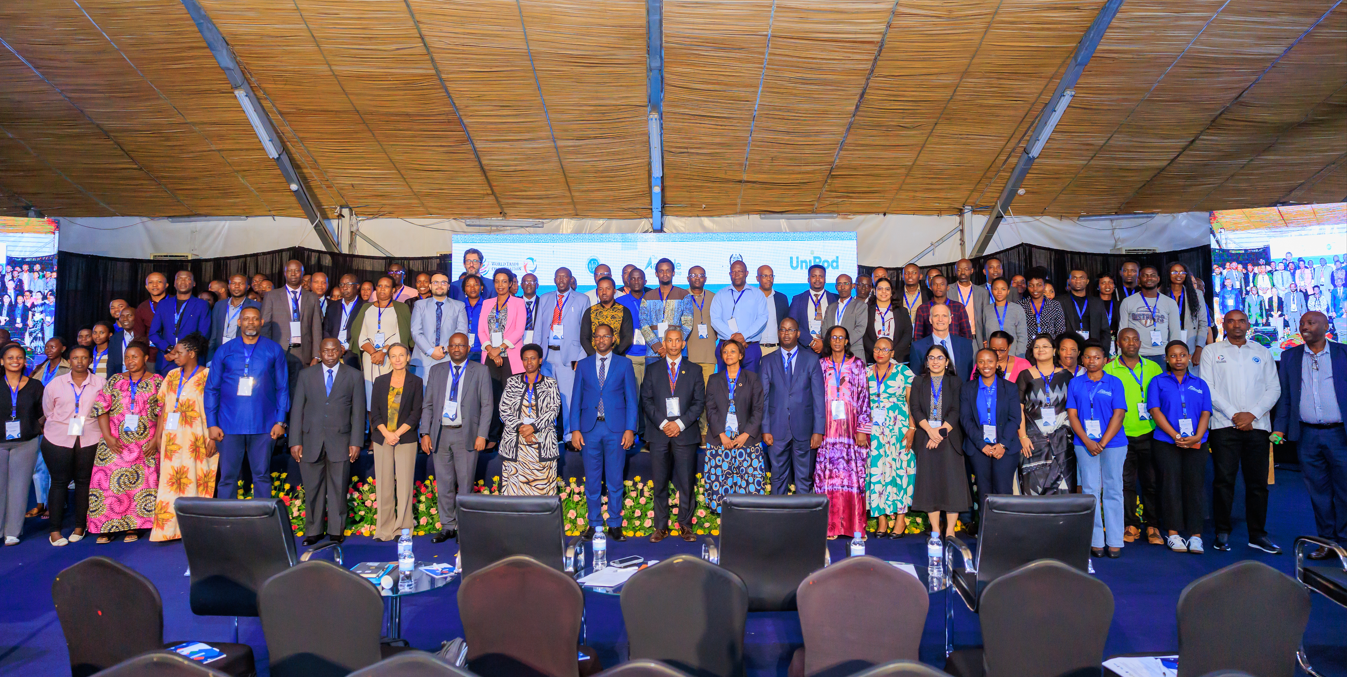
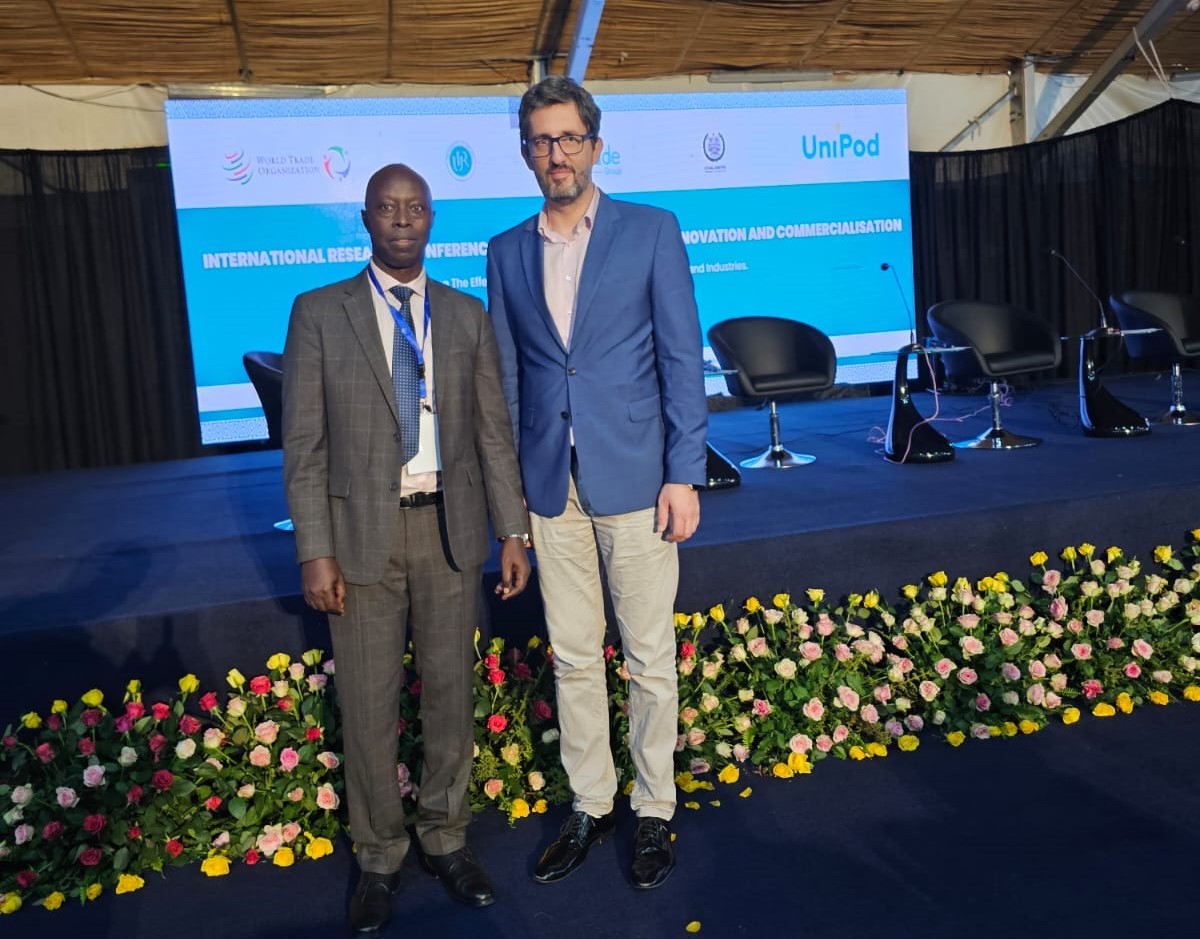
The International Conference on Trade, Innovation and Commercialization was held on 30–31 October 2025 at the University of Rwanda – College of Science and Technology in Kigali, Rwanda. The conference brought together approximately 200 participants and 50 exhibitors, including representatives of academia, business, SMEs, startups, and innovation support organizations. Its main theme focused on cooperation between academia and industry in the fields of trade, innovation, and commercialization of research results, as well as on effective interdisciplinary partnerships for economic development and the creation of an innovative ecosystem.
Doctoral candidate Paweł Urgacz participated in the conference as an active contributor to scientific sessions, including panel discussions and workshops dedicated to strategies for supporting SMEs and startups in developing countries, which facilitated knowledge exchange among participants from different countries. Paweł Urgacz’s participation in the conference was of significant importance for his academic career and contributed to expanding his international network of contacts with experts from Europe, Africa, and other regions, as well as to initiating potential research and project partnerships related to international trade, innovation, and knowledge commercialization.
-
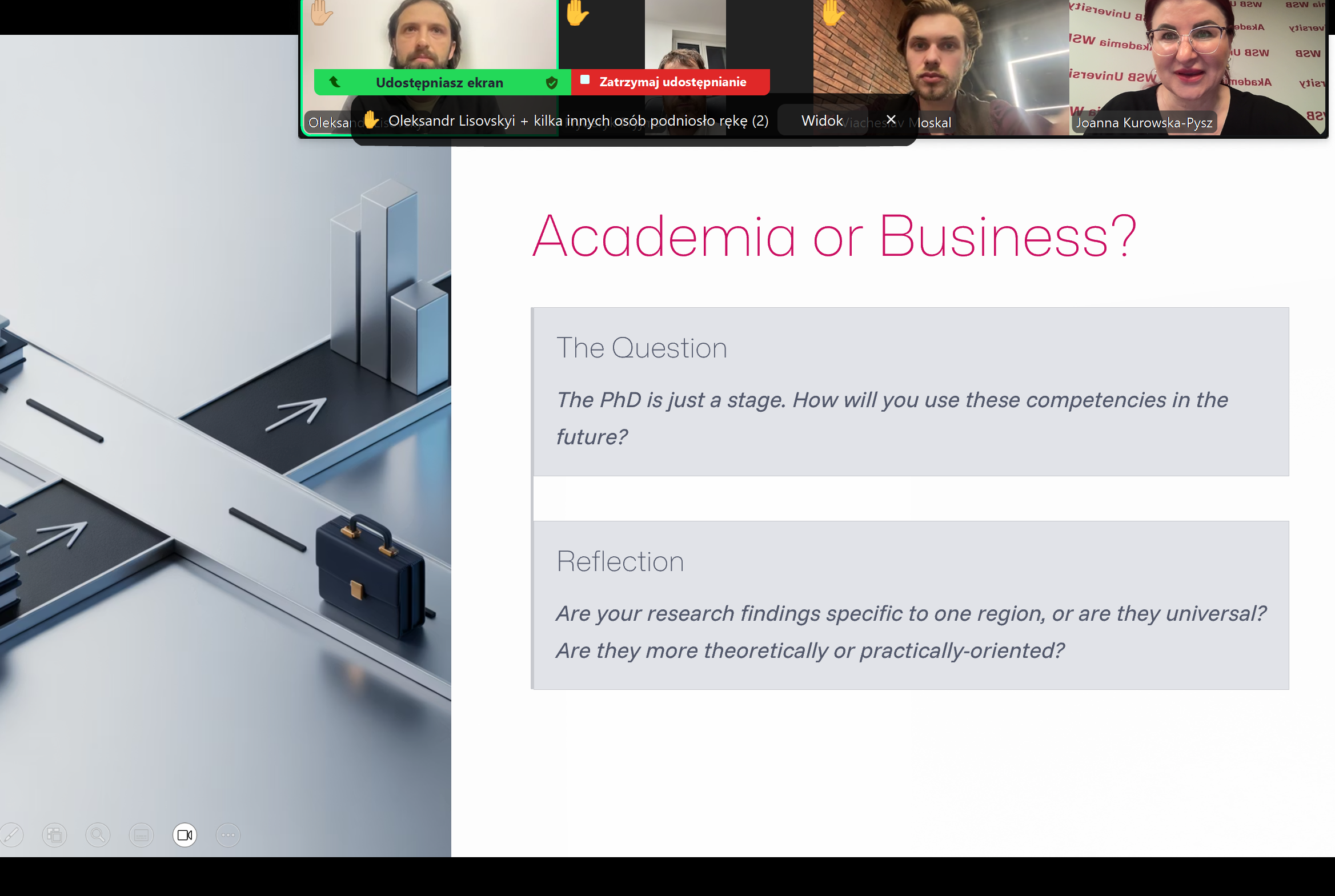
On December 11th, several dozen doctoral students and lecturers representing doctoral schools at universities collaborating under the Q-Helix Inclusive European University alliance will discuss excellence in international research. The meeting was organised by University of Presov and WSB University. WSB University was represented by PhD students Urszula Szulc, Fryderyk Pryjma, Jarosław Kacprzak, and Denis Shapija.
The meeting began with Professor Maria Kardis, Vice-Rector for International Cooperation at the University of Prešov, who welcomed the participants and introduced the Q-Helix alliance.
Following this, Professor Joanna Kurowska-Pysz, Deputy Head of the Doctoral School at WSB University, delivered a lecture titled Doctoral Excellence - the foundation of international collaboration in research. In the final part of the meeting, doctoral students presented their scientific and professional interests. They discussed the possibilities for developing scientific cooperation among doctoral schools within the Q-Helix alliance.


-
Jarosław Kacprzak, a PhD student at the WSB University, has earned the GRI Certified Sustainability Professional certificate for the second year in a row, confirming his current and deepened competencies in international sustainability reporting standards.
The certification was first awarded on 8 November 2024 after meeting the Global Reporting Initiative's requirements, including passing a certification exam that verifies both theoretical knowledge and practical proficiency in applying the GRI Standards. Renewal of the certification for a second year, valid until 8 November 2026, required completion of additional, specialized courses offered by the GRI Academy. This confirms the ongoing relevance of expertise in the rapidly evolving ESG domain.
The GRI Certified Sustainability Professional designation is among the most widely recognised international validations of expert knowledge in ESG reporting. It authorises, among other things, the design, analysis, and evaluation of sustainability reports prepared in accordance with the GRI Standards, as well as advisory work on ESG strategy and non-financial data management.
The scope of the certification is directly linked to the subject of the doctoral dissertation, which focuses on the role of ESG strategy in value creation for IT sector companies operating within global value chains. The GRI Standards serve as a key reference point for research on ESG data quality, materiality, and the use of non-financial information in decision-making, effectively bridging academic research and market practice.
-
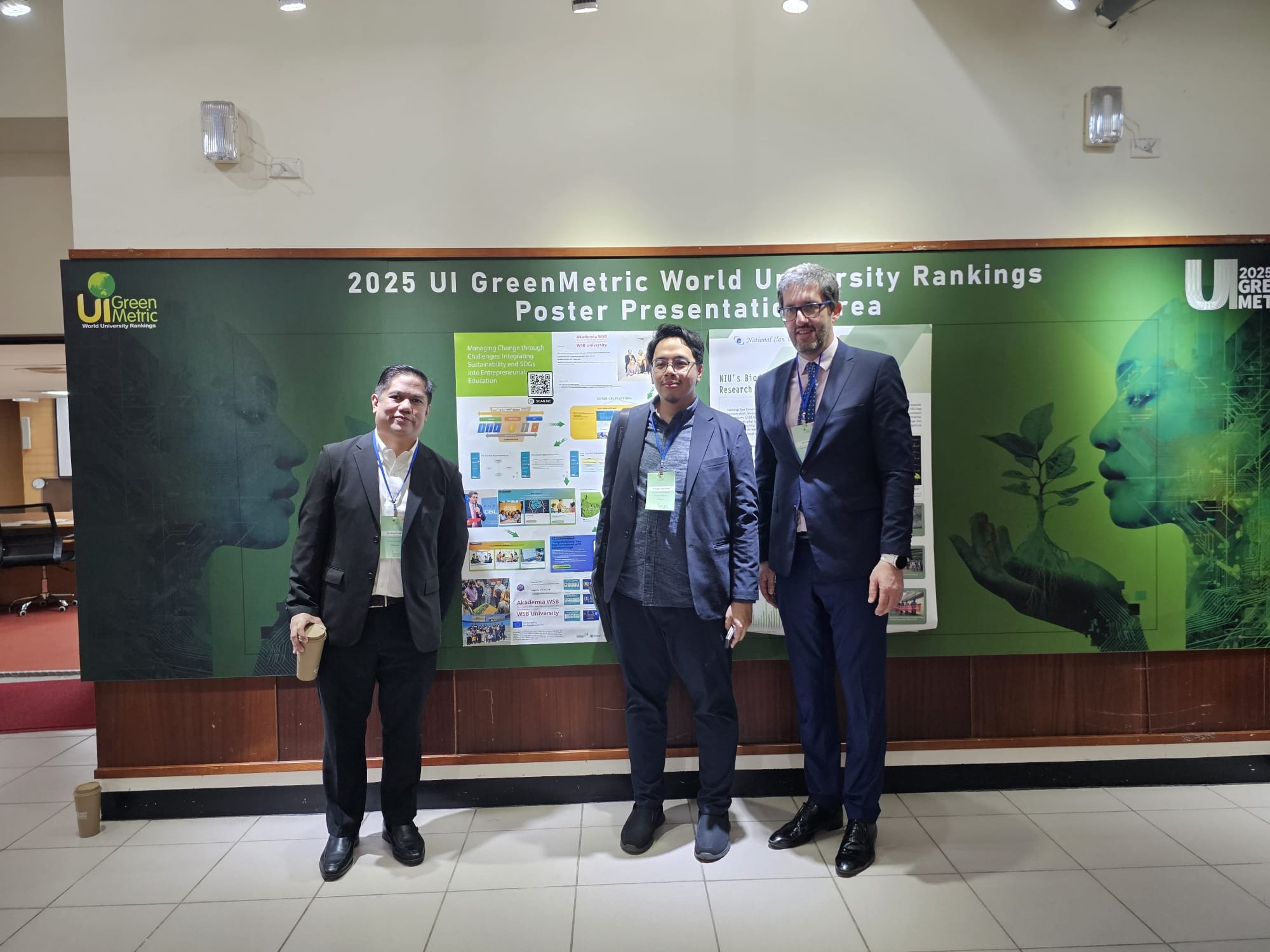
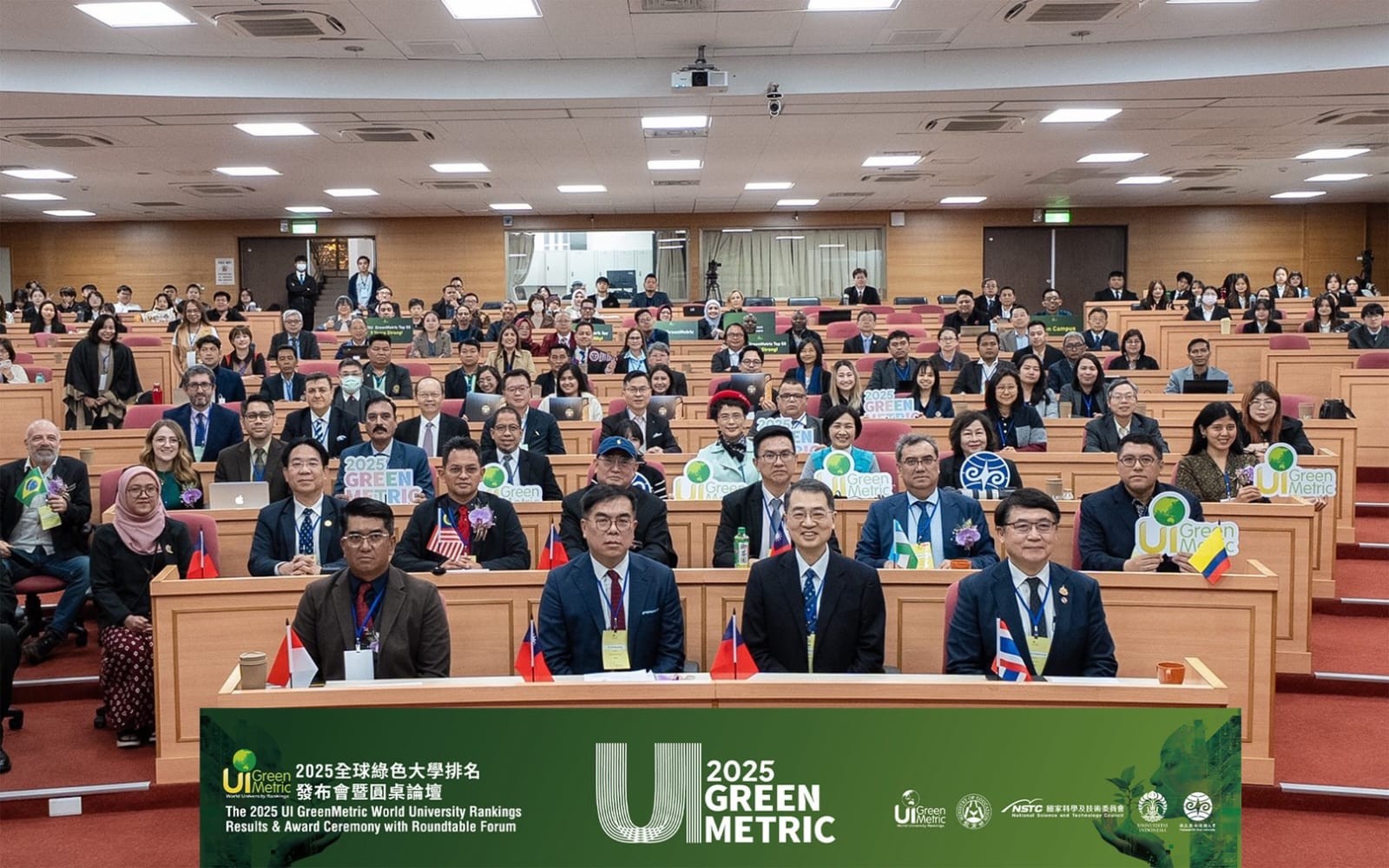
On December 4-6, of December 2025, doctoral candidate Paweł Urgacz participated in the 2025 UI GreenMetric World University Rankings Results and Award Ceremony with Roundtable Forum, an international event bringing together higher education representatives and experts focused on sustainability and the implementation of the Sustainable Development Goals (SDGs).
During the conference programme, Paweł Urgacz presented a research poster in the poster session titled “Managing Change through Challenges: Integrating Sustainability and SDGs into Entrepreneurship Education”. His presentation focused on how Challenge-Based Learning can support meaningful change in entrepreneurship education by systematically linking entrepreneurial competences with sustainability priorities and SDG-oriented learning outcomes.
The poster highlighted the practical value of engaging students in real-life challenges and guiding them to develop solutions with measurable societal impact. Paweł Urgacz emphasized how SDGs can be embedded across the course design process - from selecting challenge themes and designing learning activities, to defining learning outcomes and assessing team-based project results.
Participation in the UI GreenMetric Forum provided an important opportunity for Paweł Urgacz to present his work to an international audience, exchange perspectives with participants from different countries, and gather feedback on educational practices that connect entrepreneurship with sustainability. The poster session also enabled direct networking and discussions on future collaboration at the intersection of innovative pedagogy, entrepreneurship education, and SDG implementation in higher education.
-
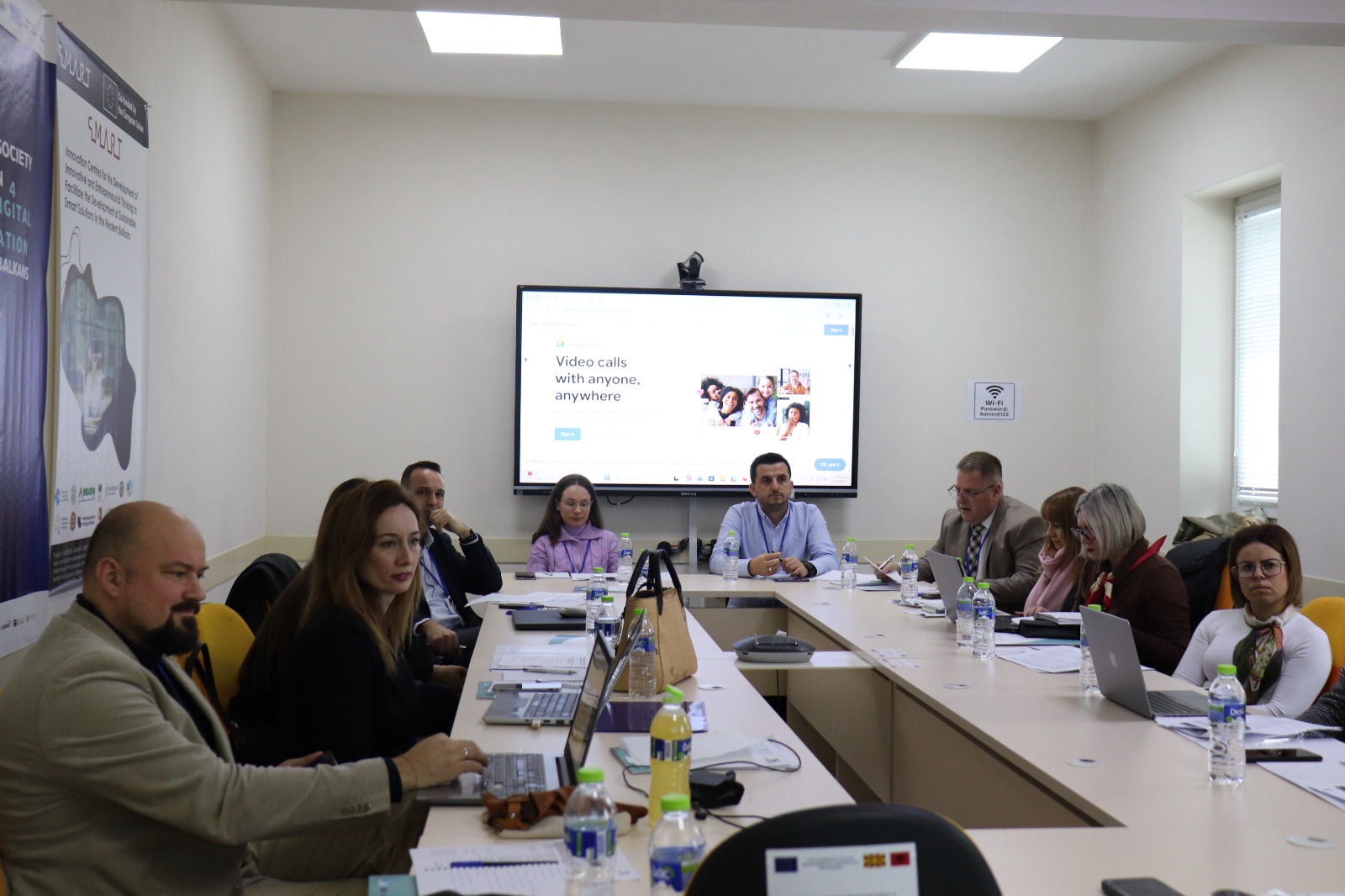
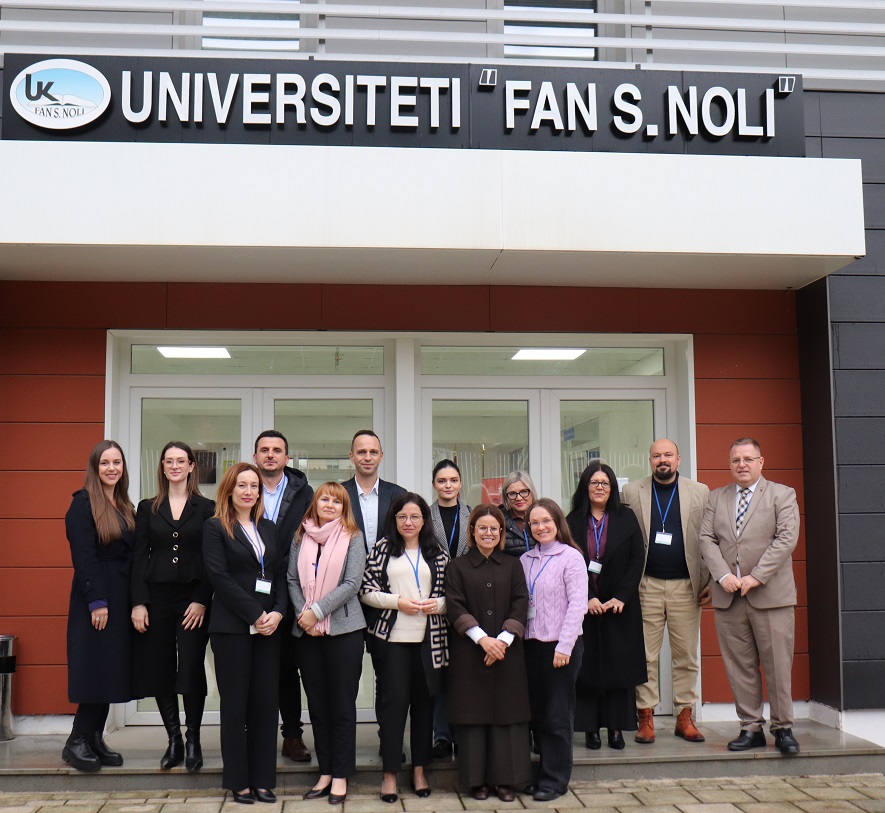
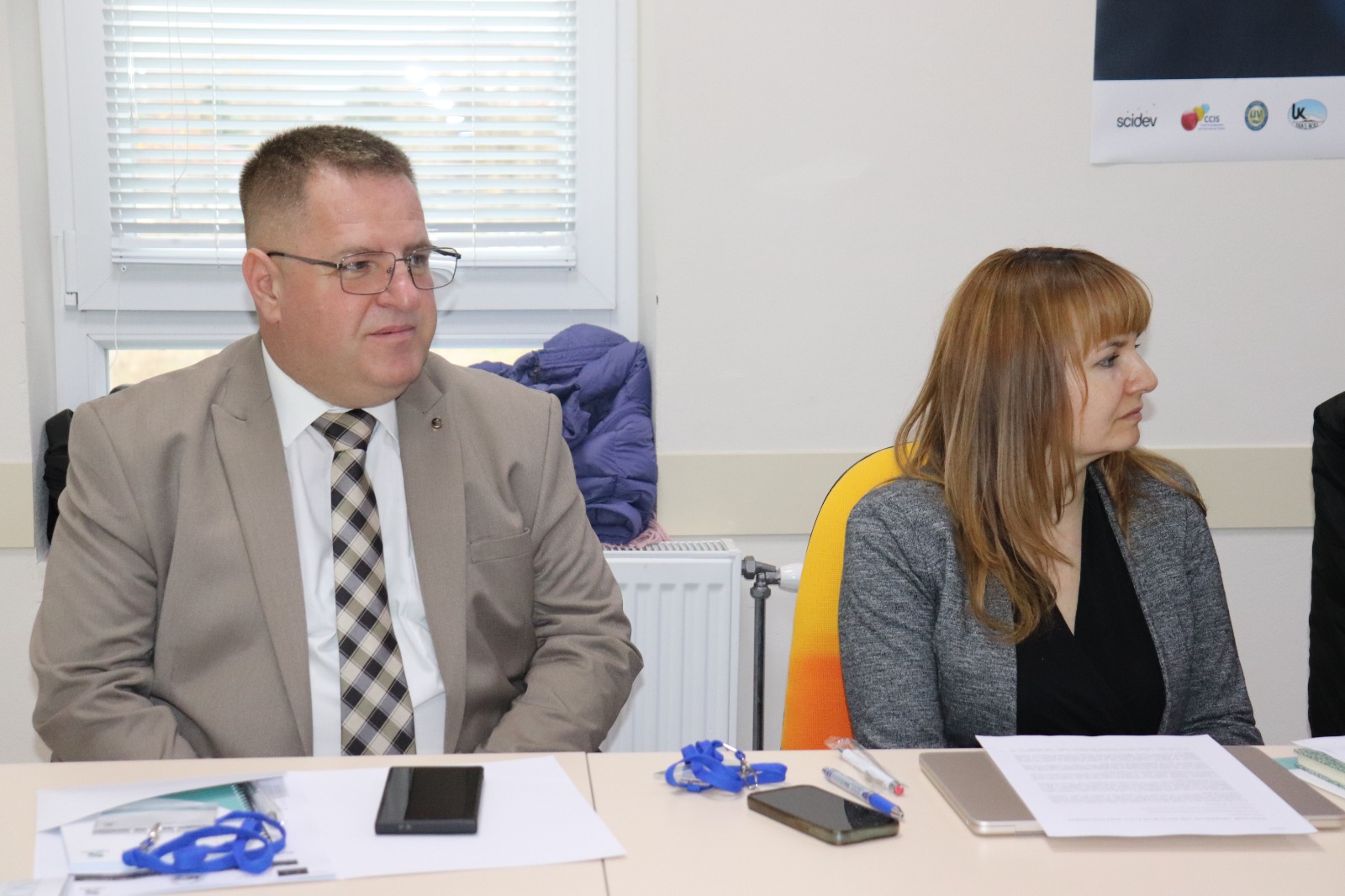
On 26–27 November 2025, WSB University took part in the official kick-off meeting of the Erasmus+ project SINCERE – Strengthening Integrity and Ethical Culture in Higher Education in the Western Balkans, hosted in Korçë, Albania. The university was represented by, among others, Denis Spahija, a PhD student of the Doctoral School of WSB University, who joined academic partners from across Europe and the Western Balkans for strategic planning and the formal launch of the initiative.
The SINCERE project responds to the growing need for stronger academic ethics, transparency and institutional credibility across higher education systems. Evidence collected through reports of UNESCO, the European Commission and national quality bodies shows that many universities in the Western Balkans continue to face challenges such as plagiarism, contract cheating, insufficient monitoring mechanisms and limited integration of academic integrity into teaching practices. Digital tools to prevent malpractice remain scarce, and many cases of misconduct go unreported due to weak institutional frameworks. These gaps intensified during the COVID-19 pandemic, when remote learning environments made academic dishonesty more difficult to manage. At the same time, positive developments in previous EU-funded initiatives show that progress is possible when universities collaborate, exchange experience and introduce shared standards.
SINCERE has been designed to address these needs through a joint European-regional effort. The project will support universities in Albania and Kosovo in building sustainable academic integrity systems, developing new ethical guidelines, implementing digital tools for plagiarism prevention, and training both staff and students. It promotes fair and responsible research practices, strengthens trust in academic work, aligns institutional policies with European standards, and contributes directly to international priorities such as SDG4 Quality Education and SDG16 Peace, Justice and Strong Institutions, while also supporting the EU Global Gateway strategy through its focus on digital transformation.
The consortium consists of nine institutions working collaboratively to ensure wide impact. Fan S. Noli University (UNIKO) in Albania, the project coordinator, leads implementation and partner coordination. Eqerem Çabej University (UECG) in Albania co-develops the Academic Integrity Framework and contributes policy assessment expertise. University of Medicine Tirana (UMT) and Ukshin Hoti University, Prizren (UPZ) carry out training activities and support integration of integrity measures into academic practice. UBT Prishtine (UBT) in Kosovo and West University of Timișoara (UVT) in Romania co-lead the development of digital tools, user interfaces and capacity-building technology. WSB University in Poland co-leads work on institutional reform, ensuring that the framework corresponds with international standards and reflects European policy experience. Western Balkans Institute (WEBIN) in Serbia leads dissemination, sustainability and the establishment of a Regional Academic Integrity Network, while the associate partner HUN-REN Research Centre for the Humanities in Hungary supervises the delivery of training and the introduction of digital tools.
Through this initiative, WSB University joins a crucial international mission to advance ethical standards, foster academic responsibility and contribute to the long-term quality of higher education in Europe. The project’s launch in Albania marks the start of an ambitious collaboration, and our university is proud to be actively involved in shaping solutions that will support higher education institutions, researchers and students across the Western Balkans and beyond.