Keynote Speakers
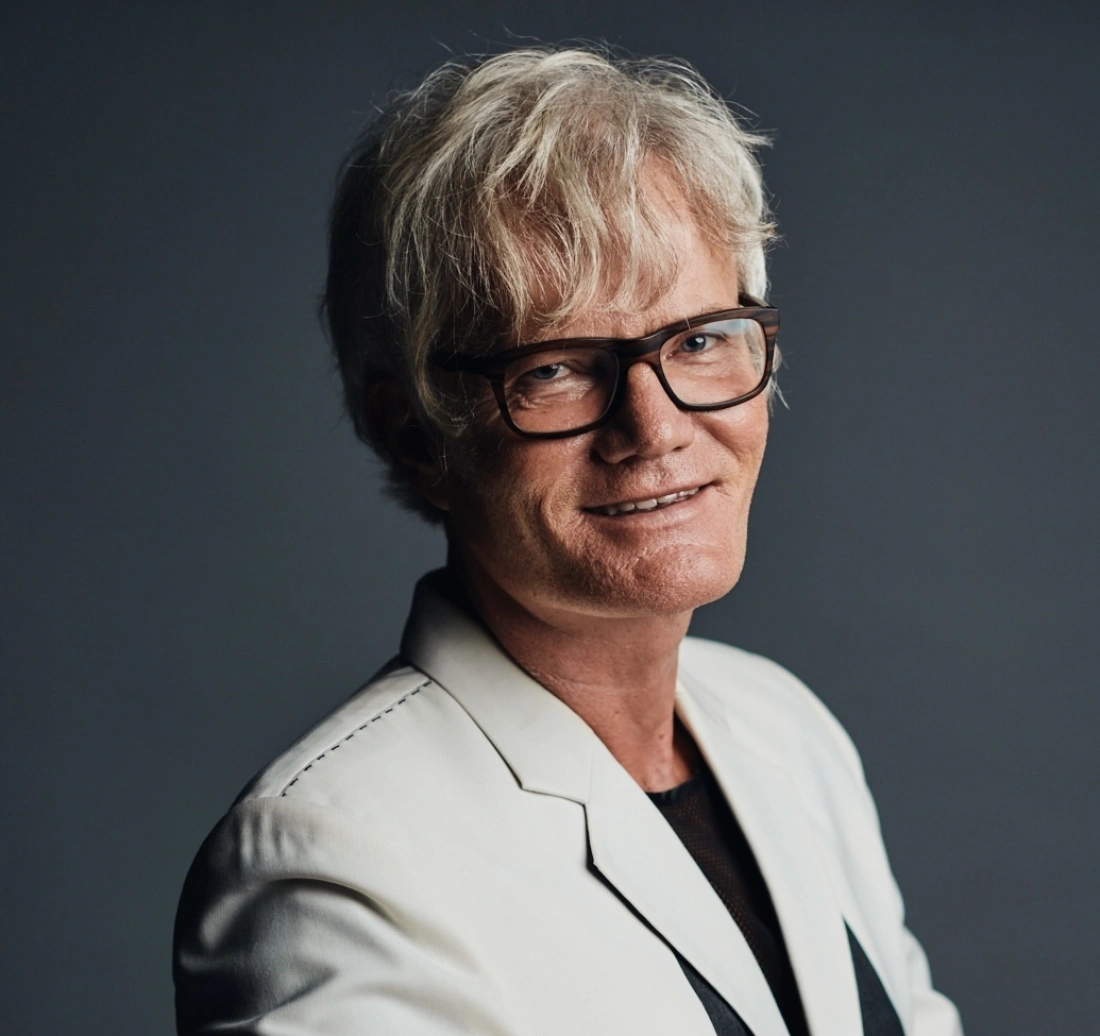
Davor Mucić is a psychiatrist based in Copenhagen and founder of the Little Prince Psychiatric Centre. A pioneer of European telepsychiatry since 2000, he has made significant contributions to transcultural and cross-border psychiatric care, particularly through language- and culture-matched services for refugees and migrants.
His 2022 PhD dissertation, Telepsychiatry in Assessment and/or Treatment of Refugees and Migrants, examined the use of telepsychiatry for culturally and linguistically diverse patient populations.
He currently serves as Chair of the World Psychiatric Association (WPA) Digital Mental Health Section and established the Telemental Health Section within the European Psychiatric Association in 2011. He was the lead author of the WPA Telepsychiatry Global Guidelines (2021) and a co-author of the WPA Guideline on Mobile Health, Artificial Intelligence and Digital Technologies (2026).
His editorial activities include serving as Editor-in-Chief of the Edorium Journal of Psychiatry; reviewer for the Journal of Technology in Behavioral Science and Egyptian Journal of Psychiatry; and Editorial Advisory Board member of the Journal of Pakistan Psychiatric Society.
He co-edited the Springer volumes e-Mental Health (2016) and Digital Mental Health: The Future Is Now (2025). His interests include AI in psychiatry, digital mental health education, telepsychiatry and equitable access to culturally appropriate care.
I am a lecturer and researcher at the Faculty of Health Studies, Technical University of Liberec, Czech Republic and a Ph.D. student at Charles University. My research and teaching focus on person-centered dementia care, communication, transcultural nursing, geriatric nursing and psychosocial interventions. I am actively involved in international research projects and educational activities aimed at improving the quality of dementia care across healthcare settings. My work bridges research, education and clinical practice by translating evidence into teaching and health care.
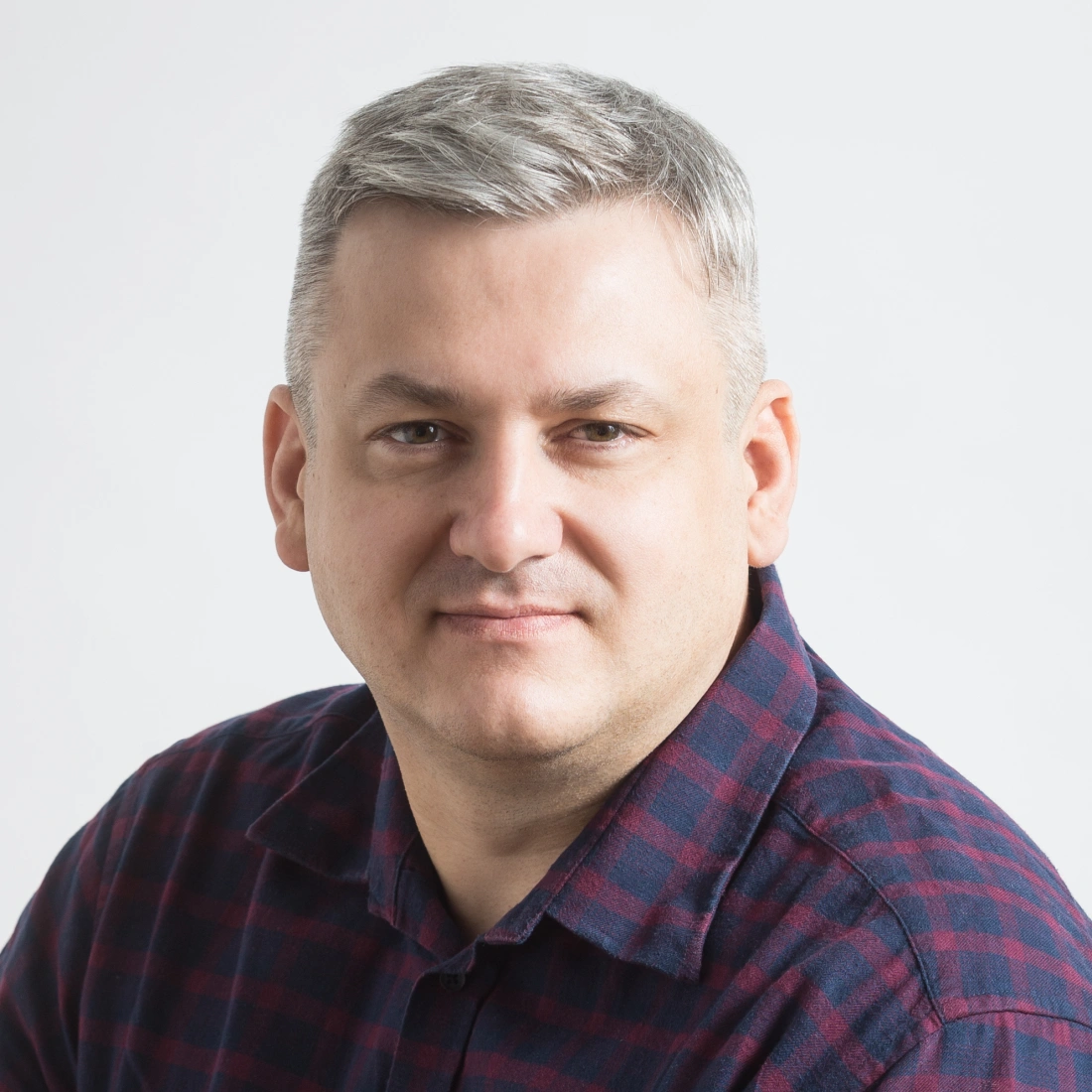
Piotr Czarnota is a Polish expert in accessibility, universal design and social inclusion, with over 15 years of professional experience. Throughout his career, he has worked with major public institutions and organisations, including PKP Intercity, the Łukasiewicz Research Network – EMAG Institute, and Wawel Royal Castle in Krakow. For many years, he has also been actively involved in the non-governmental sector, collaborating with organisations such as Integracja, the Polska Bez Barier Foundation, and the Foundation for Active Rehabilitation (FAR). For the past five years, he has been running Manufaktura Dostępności, an initiative supporting public institutions, businesses and non-governmental organisations in creating accessible and inclusive environments. Its activities include accessibility audits covering architecture, digital environments, information and communication, transport, services and products, as well as strategic consultancy, accessibility assessments and professional training. He also delivers workshops and lectures on universal design, inclusive customer service, equality, diversity and social inclusion. Alongside his professional consultancy work, he lectures on postgraduate programmes at AGH University of Krakow and Kazimierz Wielki University in Bydgoszcz, sharing his practical knowledge and promoting accessibility among future professionals. He is a graduate of the University of Silesia in Katowice, SGH Warsaw School of Economics, Jagiellonian University in Krakow, Kazimierz Wielki University in Bydgoszcz, and the Academy of Physical Education in Katowice, giving him a broad interdisciplinary perspective on accessibility and inclusion. Combining his personal experience of living with a disability with extensive professional expertise, he advocates for practical, sustainable and inclusive solutions that promote independence, dignity and equal opportunities. His work is driven by the belief that accessibility is not merely about removing barriers or meeting legal requirements, but about creating a society in which everyone can participate fully and independently."
