Managing cooperation towards sustainable development in territorial contexts

[ENG below]
Overall Goal and Scientific Problem
The overall goal of this study is to analyse how institutional capacities, contextual conditions, and territorial contexts influence local governments' ability to initiate, coordinate, and sustain inter-organisational cooperation (public-private-social) in implementing sustainable development goals.
The scientific problem concerns how institutional capacities, contextual conditions, and territorial contexts influence local governments' ability to manage inter-organisational cooperation (public-private-social) in implementing sustainable development goals.
Subgoals / Research questions
1 Subgoal. To analyse how local governments prioritise individual SDGs in their strategic and operational activities across diverse territorial contexts.
RQ1. How do local governments prioritise individual SDGs in their strategic and operational activities, and how does this differ across diverse territorial contexts?
2. Sub goal. To analyse the objectives, thematic focus, stability, and development of inter-organisational cooperation (public-private-social) in SDG implementation across diverse territorial contexts.
RQ2a To what extent do local governments actively engage in developing inter-organisational cooperation (public-private-social) to implement the SDGs?
RQ2b What strategic and operational objectives do local governments pursue through inter-organisational cooperation (public-private-social) for SDG implementation?
RQ2c. What are the key factors determining the stability of inter-organisational cooperation (public-private-social) across different territorial contexts?
RQ2d. What are the key factors determining the effectiveness of inter-organisational cooperation (public-private-social) across different territorial contexts?
RQ2e. In which thematic areas related to SDG 17 are inter-sectoral partnerships most frequently developed in practice?
RQ2f. What key obstacles do local governments recognize to develop inter-sectoral partnerships for implementing SDGs?
3. Sub goal. To examine how institutional capacities and contextual conditions shape the ability of local governments to manage inter-organisational cooperation (public-private-social) for SDG implementation across diverse territorial contexts.
RQ3a How do local governments systematically initiate and manage inter-organisational and inter-sectoral cooperation for SDG implementation?
RQ3b What institutional and contextual factors enable or constrain local governments in acting as initiators and managers, of inter-organisational cooperation (public-private-social) in practice?
RQ3c How do local governments facilitate inter-organizational cooperation (public-private-social), communication, and trust-building processes in practice?
RQ3d How do local governments address potential conflicts and synergies between different SDG-related objectives in inter-organizational cooperation (public-private-social)?
RQ3e How do local governments support and steer the transition from short-term project-based cooperation to long-term strategic partnerships in practice?
RQ3f. What institutional instruments and procedural arrangements do local governments use, and how effective are they, in managing inter-organisational cooperation (public-private-social) for SDG implementation?
4 Subgoal: To analyse the thematic profile and approach of cooperation (public-private-social) under SDG17 in relation to the territorial specificity.
RQ4a How do territorial contexts shape the thematic profile of local partnerships under SDG 17?
RQ4b To what extent do partnerships follow a silo-based versus an integrated approach to SDG implementation across different territorial contexts?
5. Research methods
1. Desk research analysis: literature review and document & data analysis (strategies, policies, statistics, etc.)
2. Quantitative research for the comparative analysis of findings on the urban region (Silesian Voivodeship) and rural region (Prešovský kraj):
- CATI, CAWI, CAPI Sample: representatives of local governments
6. Table of Contents (draft)
Introduction
Chapter 1.
Theoretical Background
Working titles of subchapters:
1.1.The New Public Management paradigm and its connections with sustainable development, including SDG implementation.
1.2.Inter-organizational cooperation in implementing sustainable development at the strategic and operational level
1.3.Implementing the SDGs through collaborative models, particularly under SDG 17.
1.4.The territorial context of implementing SDGs
Chapter 2.
Methodological Approach
Working titles of subchapters:
2.1.Research approach and design.
2.2.Research methods and procedures
2.3.Case selection
2.3.Characteristic of target groups and sampling methods
Chapter 3.
Dynamics of inter-sectoral cooperation towards sustainable development
Chapter 4.
Territorial contexts of SDGs implementation in collaborative models
Chapter 5.
Managing inter-organizational cooperation for SDG implementation
Similar working parts of sub-chapters
Theoretical introduction
Findings - comparable analysis of Silesian Voivodeship and Prešovský kraj), particularly by answering
Semi-conclusions
Summary
Discussion, Political Implications, and Suggestions for Policymakers, Conclusions
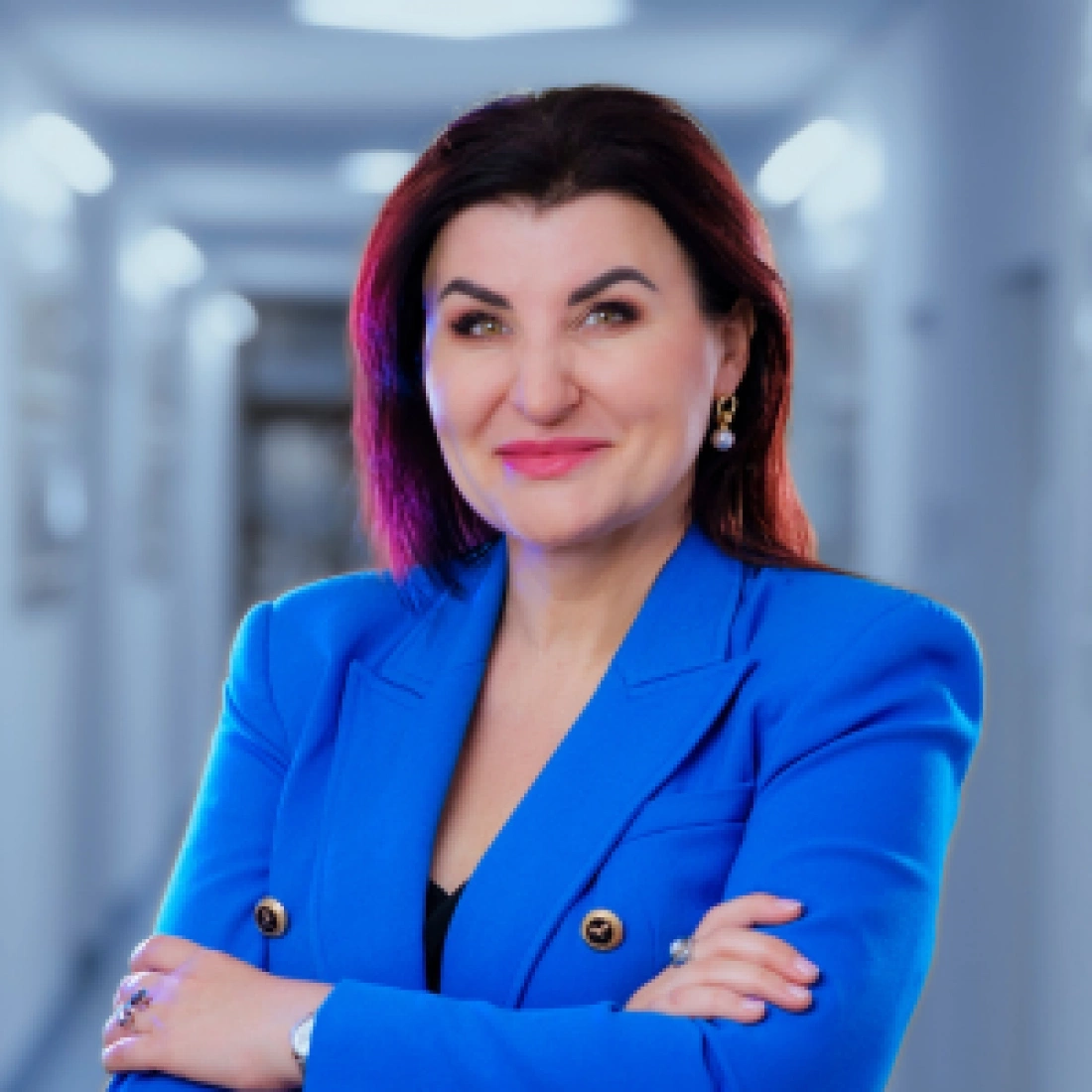
Joanna Kurowska-Pysz posiada stopień doktora habilitowanego w dyscyplinie Nauki o zarządzaniu i jakości. Od 2013 r. jest związana z Akademią WSB w Dąbrowie Górniczej, gdzie pracuje na stanowisku profesora nadzwyczajnego. Pełni także funkcje m.in. kierownika Katedry Zarządzania, Dyrektora Centrum Transferu Technologii oraz Zastępcy Kierownika Szkoły Doktorskiej. Od wielu lat łączy aktywność akademicką z działalnością ekspercką, związaną z zarządzaniem projektami, m.in. aktywnie wspiera komercjalizację wiedzy i wdrażanie innowacji, w tym zielonych innowacji i projektów rewitalizacyjnych, służących szeroko pojętej transformacji społeczno-gospodarczej, w tym transformacji energetycznej. Od 2018 r. jest zatrudniona na Giełdzie Papierów Wartościowych w Warszawie, gdzie uczestniczy w projektach B+R dotyczących wykorzystania sztucznej inteligencji na rynku kapitałowym. Zasiada m.in. w Radzie Nadzorczej spółki ENEA Nowa Energia Sp. z o.o. oraz GPW Logistics SA. Od 2019 r. współpracuje także z Komisją Europejską (DG REGIO) w zakresie transformacji regionów przygranicznych. Jest autorką blisko 200 publikacji naukowych i opracowań eksperckich, a także uczestniczką wielu projektów współfinansowanych m.in. z programów Horyzont Europa, Erasmus Plus, INTERREG czy POIR. Nieustannie inwestuje w rozwój osobisty, czego dowodem są kursy i szkolenia ukończone w prestiżowych ośrodkach, takich jak Harvard Business School, Harvard’s BOK Center, GPM Global, London Business School czy American Management Association.
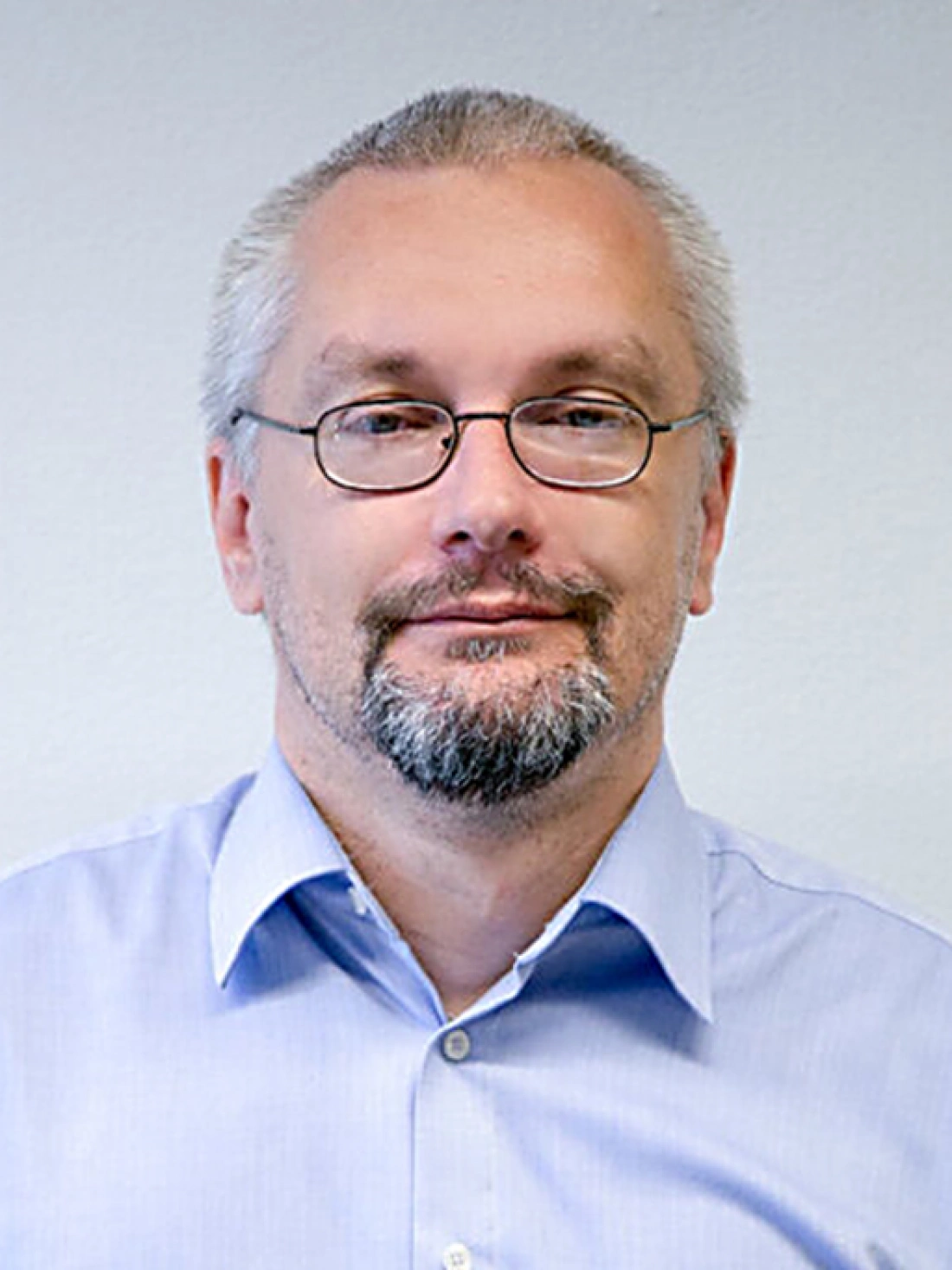
Peter Adamišin is an associate professor at the Faculty of Management at the University of Presov (Slovak Republic). He is the guarantor of a study program of environmental management. His research profiling is environmental and agrarian economics, environmental management and finance, regional development. He is a member of several editorial boards of scientific journals. He has participated in solving more than 20 scientific and development projects from various grant schemes. Currently, he is vice-rector of the University of Presov.
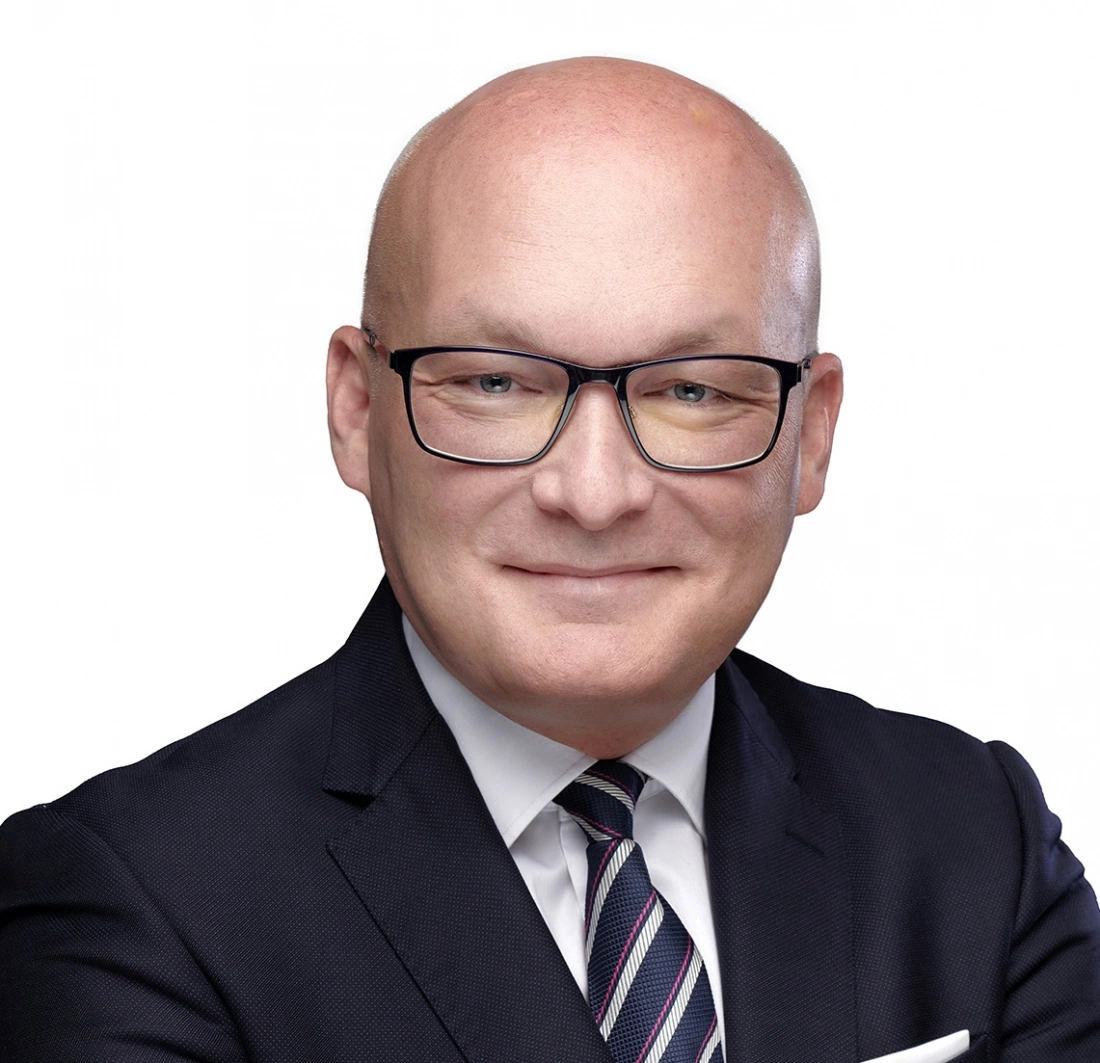
Prorektor ds. Studenckich i Współpracy z Otoczeniem w Akademii WSB., Dyrektor Centrum Studiów Podyplomowych i Rekrutacji oraz Dyrektor Centrum Rozwoju Regionalnego w Akademii WSB tworzącego m.in. strategie rozwoju, polityki rewitalizacji oraz strategie Smart City. Certyfikowany PM: PRINCE2, IPMA, Agile, PMI, SIX SIGMA. Posiada bogate doświadczenie korporacyjne zdobyte w międzynarodowych firmach usługowych. Był zatrudniony na kluczowych stanowiskach menedżerskich związanych z tworzeniem systemów zarządzania relacjami z klientami, zarządzaniem jakością i procesami, zarządzaniem projektami, technologiami przyszłości, m.in. AI. Był wieloletnim menedżerem na poziomie Executive w Orange S.A. Absolwent studiów MBA. Prezes Delegatury (Dąbrowa Górnicza) Regionalnej Izby Gospodarczej w Katowicach, członek międzynarodowego stowarzyszenia The European Academy of Management (EURAM c/o EIASM – European Institute for Advanced Studies in Management), wiceprezes Zarządu Towarzystwa Naukowego Organizacji i Kierownictwa, oddział Dąbrowa Górnicza, wiceprezes Zarządu Polskiego Towarzystwa Ekonomicznego w Katowicach, wiceprezes Zarządu Śląskiego Związku Pracodawców Lewiatan, członek Rady Programowej Krajowego Klastra Kluczowego „Silesia Automotive & Advanced Manufacturing” Katowickiej Specjalnej Strefy Ekonomicznej. Za aktywność w zakresie kształtowania relacji pomiędzy nauką i biznesem odznaczony Srebrnym oraz Złotym Krzyżem Zasługi, Medalem Komisji Edukacji Narodowej oraz Złotą Odznaką Honorową za Zasługi dla województwa śląskiego. Członek Rady ds. Cyfryzacji w Ministerstwie Cyfryzacji oraz Zespołów Doradczych Ministra Nauki i Szkolnictwa Wyższego, jak również Członek Rady Naukowej GIG, powołany na wniosek Ministra Energii.
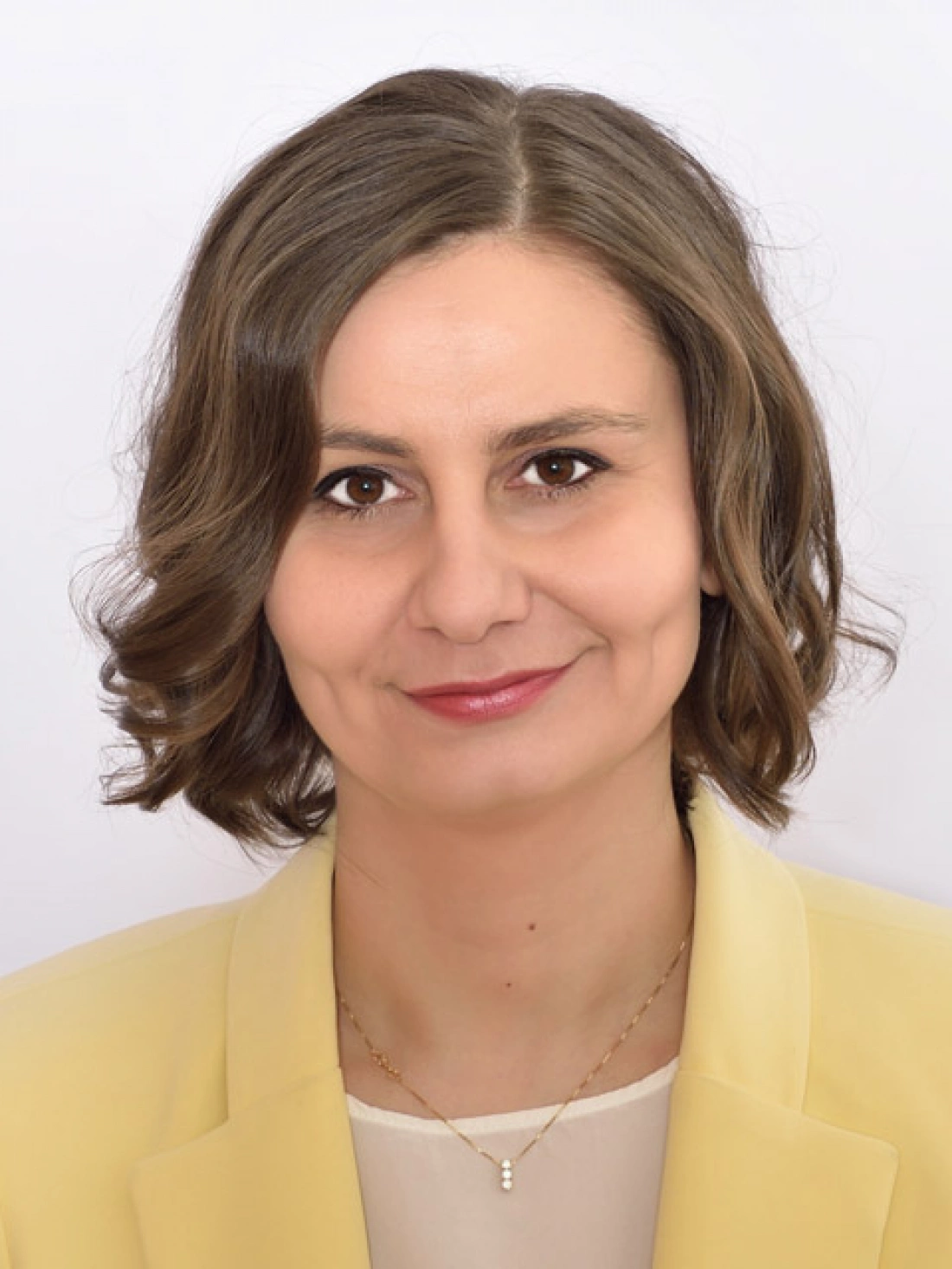
She holds a position of Associate Professor in the Department of Economics and Economy. Her scientific and pedagogical activities are primarily focused on the national economy and green trends in the economy oriented towards sustainable development and circularity. She teachs courses on National Economy and Entrepreneurship in Small and Medium Enterprises. She actively participates in the international project COST CA 21103 "Implementation of Circular Economy in the Built Environment (CircularB)", where she serves as a Management Committee Member representing the Slovak Republic and is a member of Working Groups 1 and 4. She is also involved in the international project COST CA 21166 "Social Sciences and Humanities for Transformation and Climate Resilience (SHiFT)" as a Working Group Member. She is a valuable member of the research team of the international scientific project BIN 02_2021_024 "Applied research to improve the acoustic properties of mobile noise barriers and the ecological use of waste generated in their production (Green Industry Innovation)", supported by the grant scheme "Iceland Liechtenstein, Norway grants". She has participated in several successfully concluded international and national scientific research projects and development projects, including Norway grants, APVV, VEGA, KEGA and others. She is currently involved in ongoing scientific and research projects, both as a principal researcher and as a member of research teams. She is a co-author of scientific monographs, university textbooks, scientific papers registered in the Web of Science and Scopus databases and other scientific papers, with corresponding citation response. So far, she has supervised 3 PhD. students who have successfully defended their dissertations and is currently supervising 2 PhD. students. In her career, she has held the positions of Vice Dean for Education and Communication (2010-2018) and served as the Head of the Department of Environmental Management (2019-2021). Currently she is a member of the FMEO Scientific Council, the FMEO Doctoral Studies Committee, the FMEO Academic Senate and a member of the Study Committee at the Academic Senate of the Univesity of Prešov.
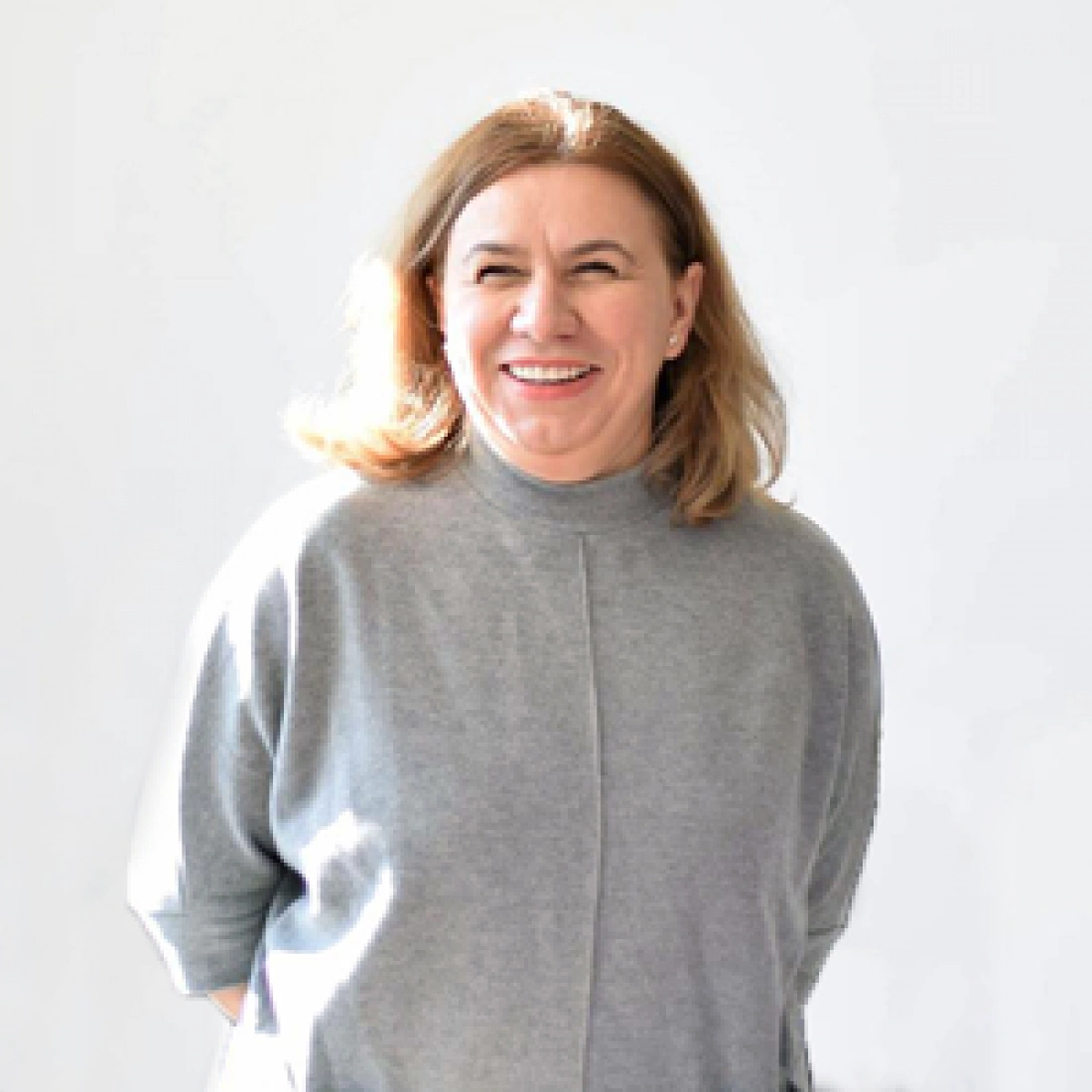
Prof. Mihone Kerolli Mustafa obtained her B.Sc (Chemistry) and M.A. (Environmental Engineering) from the University of Prishtina, and her PhD in Environmental Engineering from the University of Zagreb, Croatia. She has been working in the natural sciences, environment, business innovation, and knowledge exchange with several European institutions. This has involved work on scientific work and projects, some of which have been funded by the EU and other EU universities. As an environmental expert, she contributed to waste management, the cycling economy, and strategy reforms in Kosovo and Croatia. She possesses teaching and research experience in a variety of environmental and business innovation fields in various universities in Europe. She has participated in numerous national and international scientific conferences. She was Chair of the International Scientific Conference, and participated in, and presented at, numerous international exhibitions of innovations and inventions, being also a winner of several awards and recognitions. Other roles and responsibilities include: being a reviewer in leading international journals; mentoring; being a member of commissions for the application and defense of doctoral dissertations, masters' in science research, and masters' projects (Croatia and Kosovo). With the support of the EU, she founded six theory-to-practice innovation labs in the region and the European Association of the Theory-to-Practice Centers for Innovation.