Digital disinformation against Europe. Topics, tools, actors, audience, impact, prevention.

[ENG below]
Ze względu na swój dynamiczny charakter wielopoziomowy wpływ dezinformacji cyfrowej jest w badaniach naukowych dostrzegany jedynie częściowo. Dezinformacja (ogólnie rzecz biorąc), zaliczana do kategorii wojny poznawczej, stanowi kluczowe narzędzie wykorzystywane przez podmioty państwowe i niepaństwowe do promowania własnych poglądów na temat stosunków międzynarodowych oraz do oceny państw i ich polityki. Dezinformacja obejmuje szeroki zakres tematów, przede wszystkim tych, które mogą dzielić opinię publiczną, osłabiać państwa i społeczeństwa, podważać zaufanie do instytucji demokratycznych oraz przyczyniać się do przekształcania porządku światowego. W tym kontekście cyfrowa dezinformacja jest nie tylko zjawiskiem komunikacyjnym, ale także wyzwaniem w zakresie bezpieczeństwa, społeczeństwa i prawa, zwłaszcza gdy wpływa na procesy demokratyczne, porządek publiczny, prawa podstawowe, wolność mediów oraz integralność debaty publicznej.
Celem książki jest analiza cyfrowej dezinformacji skierowanej przeciwko Europie – w tym Unii Europejskiej jako instytucji oraz jej państw członkowskich – w ciągu ostatniej dekady (2015-2025). Analiza obejmie cyfrową dezinformację wymierzoną w Europę, w tym stosowane narzędzia i grupy docelowe, w celu opisania i zbadania jej wpływu na społeczeństwa europejskie. Obejmie ona również ocenę europejskiej reakcji na to zagrożenie poprzez różne mechanizmy na szczeblu instytucjonalnym, unijnym i krajowym. Perspektywa prawna książki dotyczy dezinformacji jako formy wojny, jej wpływu na społeczeństwa europejskie oraz reakcji instytucjonalnych opracowanych w celu przeciwdziałania jej. Zwraca się zatem uwagę na takie kwestie, jak integralność demokratyczna, procesy wyborcze, zarządzanie platformami, wolność mediów, cyberbezpieczeństwo, sztuczna inteligencja, prawa podstawowe i wolność wypowiedzi.
------------------------------------------------------------------------------------
Due to its dynamic nature, the multilevel impact of digital disinformation is only partially recognised in academic research. Classified as part of cognitive warfare, disinformation (in general) is a crucial tool used by state and non-state actors to promote their perspectives on international relations and to assess states and their policies. Disinformation encompasses a wide range of topics, primarily those that may divide public opinion, weaken states and societies, erode trust in democratic institutions, and contribute to reshaping the global order. In this respect, digital disinformation is not only a communication phenomenon but also a security, societal and legal challenge, particularly where it affects democratic processes, public order, fundamental rights, media freedom and the integrity of public debate.
The book aims to analyse digital disinformation directed at Europe, including the European Union as an institution and its member states, over the last decade (2015-2025). The analysis will cover digital disinformation targeting Europe, including the tools used and target audience groups, in order to describe and examine its impact on European societies. It will also assess the European response to this threat through different mechanisms at institutional, European Union and national levels. The legal perspective of the book concerns disinformation as a form of warfare, its impact on European societies, and the institutional responses developed to counter it. Attention is therefore given to issues such as democratic integrity, electoral processes, platform governance, media freedom, cybersecurity, artificial intelligence, fundamental rights and freedom of expression.
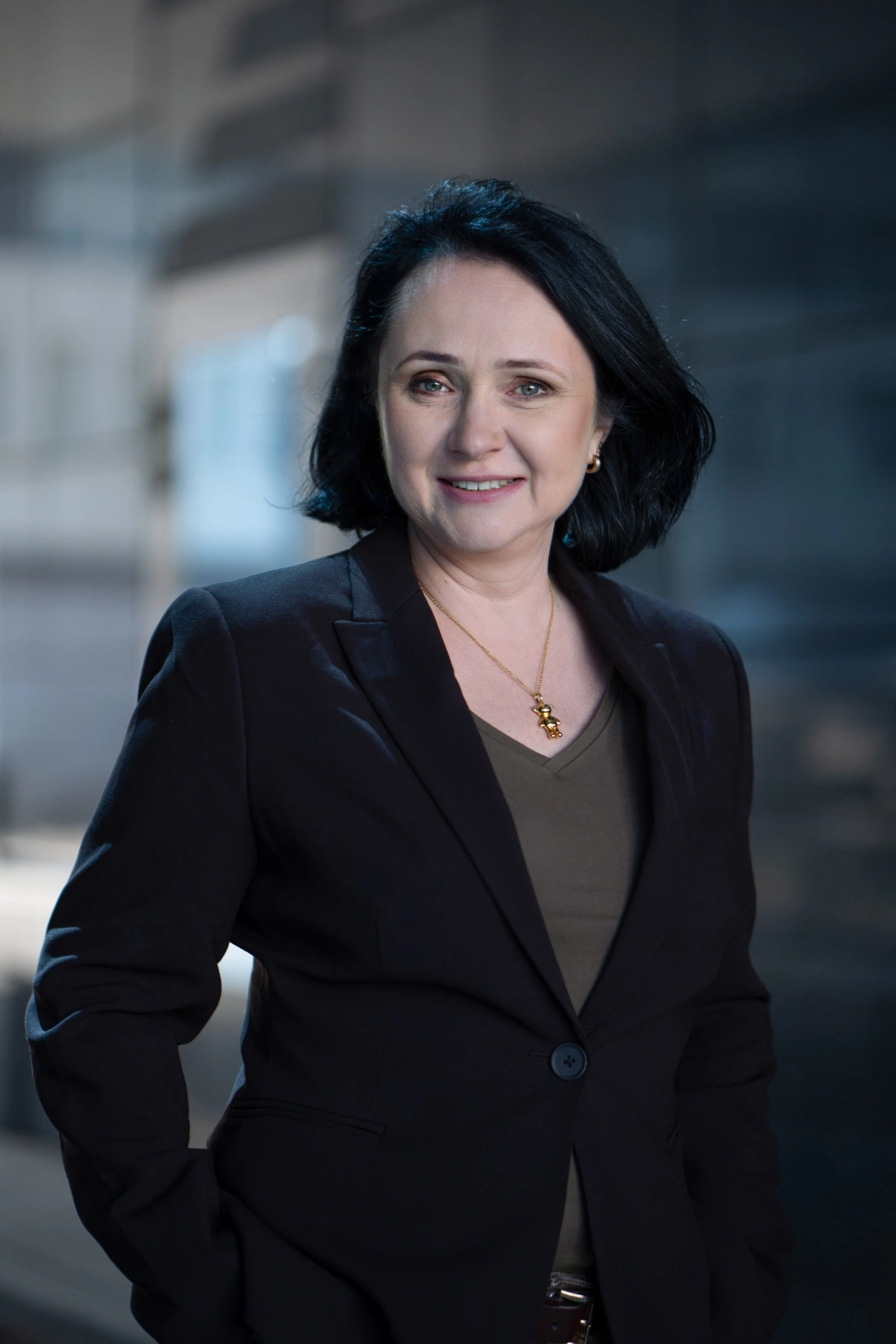
PhD, DSc, Assoc. Prof. Paulina Polko is the Head of the Security Studies Department at Akademia WSB – WSB Univeristy in Dąbrowa Górnicza. She is the author or co-author of around 70 publications on international security, securitization, and migration-security nexus.
Member of four international research projects financed by the European Commission, INTERREG, and the National Agency for Academic Exchange in Poland. Member of two international research networks (COST Actions) related to migration: CA22106 Migrant Disaster Victim Identification and CA20107 Connecting Theory and Practical Issues of Migration and Religious Diversity.
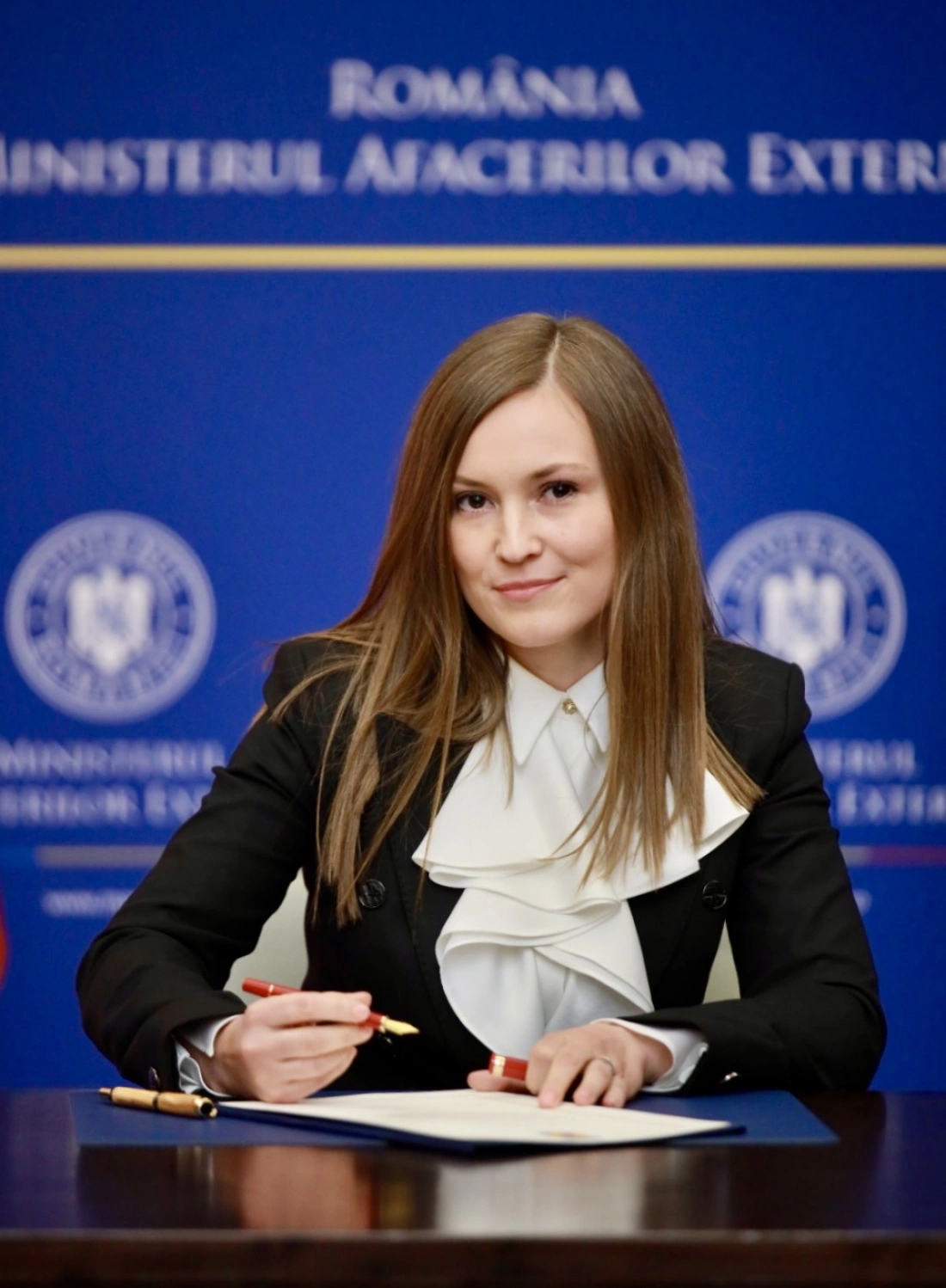
Daniela Panc, PhD, is an academic at Titu Maiorescu University, Bucharest, and a diplomat at the Ministry of Foreign Affairs of Romania. As Lecturer at the Faculty of Law, she has been involved in legal education since 2013, teaching European Union Law and Public International Law. Alongside her academic career, she serves as a career diplomat within the Romanian Diplomatic and Consular Corps, working within the Legislative Harmonization Directorate, under the Government Agent for the Court of Justice of the European Union, contributing to the alignment of national legislation with EU law and to efforts aimed at reducing litigation before the Court of Justice of the European Union.
PhD (philosophy), associate professor (Dnipro University of Technology), researcher that focuses of process philosophy, microgenesis, ethics, logic. His research is also focused on the idea of balance, theories of cognition and education, which he had opportunity to present and discuss in person in USA, Germany, France, Japan and other countries. Denys participated in the projects as a book editor (submitted to Routledge), translator, member of societies (European Society for Process Thought, Claremont Process Nexus). Among other róles, he is engaged as a Communication Director (International Process Network, USA) and Specialty Guarantee (EHEA QF Level 3, B10 Philosophy), Attestation Quality Commission Committee and a member of the National Accreditation Quality Assurance Agency (Ukraine). Author of 30+ published articles and 3 books in philosophy and psychology of cognition.

Mariia Butyrina is a professor, Doctor of Sciences in Social Communications, and a Ukrainian scholar specializing in journalism and communication studies. She is a professor at the Department of Marketing at Dnipro University of Technology. Her research focuses on media discourse, digital communication, propaganda and disinformation analysis, cancel culture, and the mediatization of social phenomena. She is actively engaged in academic governance and peer review and participates in specialized academic councils for doctoral dissertation defenses. She serves as Deputy Editor-in-Chief of two Ukrainian academic journals and is a member of the Sectoral Expert Council on Journalism at the National Agency for Higher Education Quality Assurance of Ukraine. She is the author of numerous peer-reviewed publications and a member of the National Union of Journalists of Ukraine and the European Communication Research and Education Association (ECREA).